UN Reports 15,800 Deaths in Russia’s War on Ukraine

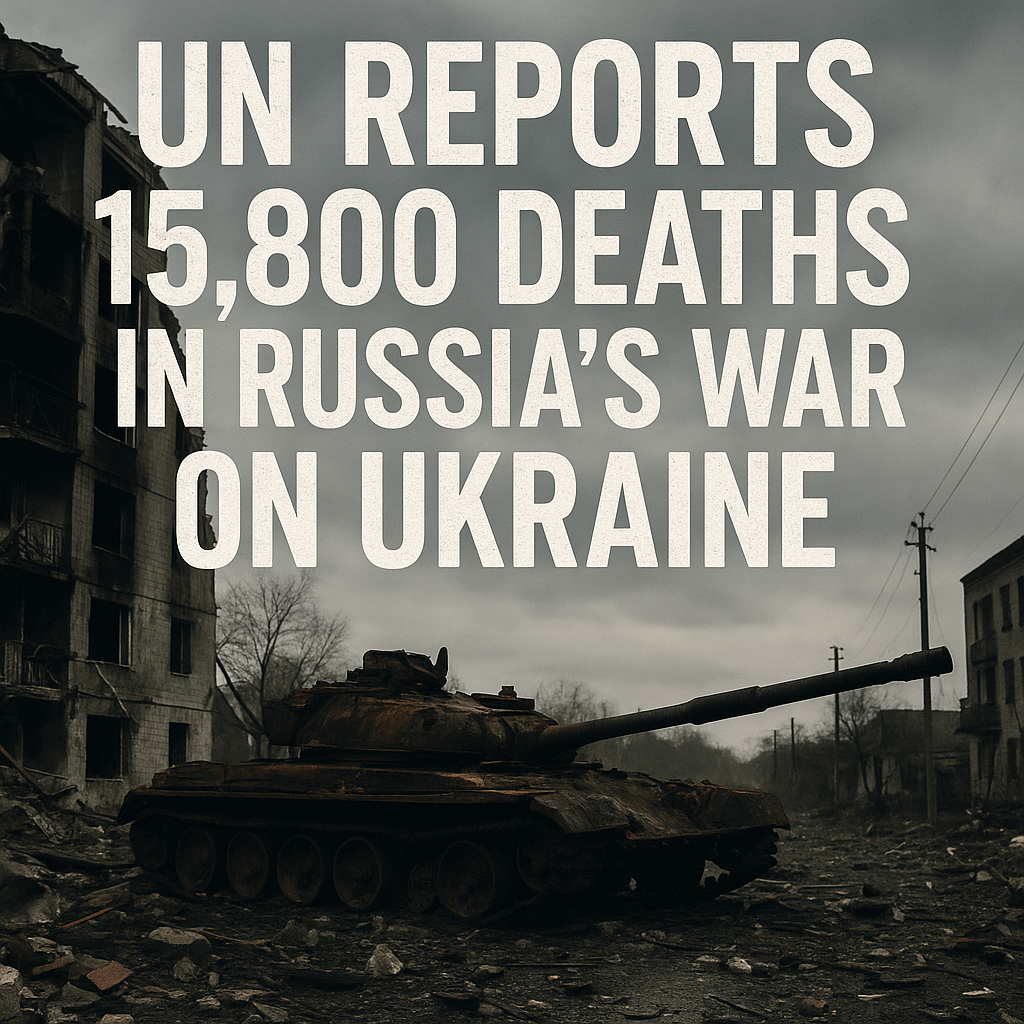
The ongoing conflict in Ukraine has produced a staggering count of casualties, with recent reports from the United Nations revealing that over 15,800 people have died due to the war instigated by Russia. This figure highlights not only the human cost of the conflict but also the extensive impacts on both military and civilian populations.

The Human Cost of War
The UN’s report underscores the tragic toll of the conflict, a grim reminder of the human suffering that accompanies prolonged warfare. Various sources provide insights into the dynamics of this death toll, with a significant number of fatalities occurring among civilians. According to Al Jazeera, the figure of 15,800 killed reflects only confirmed deaths, indicating that the true cost of the conflict may be even higher as many cases likely remain unreported or unverified.


Among the casualties, many are noted to be from the civilian population, which emphasizes how warfare often extends its grasp beyond the battlefield. Civilian infrastructure has been severely impacted, resulting in significant challenges for emergency response and medical care. The protracted nature of the fighting leaves communities vulnerable, as survival often becomes a daily struggle amid constant violence.


Military and Tactical Perspectives
From a tactical viewpoint, both Russian and Ukrainian forces have suffered considerable losses, although precise numbers are often contested and vary widely based on the sources. While RT, a state-funded international television network based in Russia, may portray a different narrative focusing on military successes and justifications for the conflict, Western sources typically provide a stark contrast, pointing to the humanitarian crisis as a fundamental aspect of the war.
– Increased Military Engagements: Reports indicate that both sides continue to engage in extensive military operations, leading to rising casualties.
– Civilian Displacement: As fighting persists, millions have been displaced, creating internal and external refugee crises, further complicating the humanitarian situation.
The disparity in the reporting of military losses often leads to confusion and speculation. While Ukrainian officials assert that Russian forces have faced significant setbacks, Russian reports may downplay these claims. It is crucial to analyze this complex interplay of narratives to understand the broader implications of war on both military strategies and civilian life.
The Road Ahead: Uncertainty and Hope
As the conflict continues, the path forward remains uncertain. International responses, including ongoing sanctions against Russia and military aid to Ukraine from various countries, highlight the geopolitical complexities involved. These measures aim to support Ukraine’s sovereignty while attempting to pressure Russia diplomatically.
Despite the overwhelming statistics, there exist glimmers of hope through international diplomacy. Recent talks involving peace negotiations, although fraught with challenges, suggest a potential pathway to de-escalation. However, skepticism persists as historical precedents often illustrate that peace agreements can falter without genuine commitment from both sides.
Moreover, humanitarian aid efforts continue to ramp up, targeting the needs of those most affected by the conflict. Organizations are working tirelessly to provide assistance to victims through food, shelter, and medical services.
Conclusion: A Call for Awareness and Action
The UN report detailing 15,800 deaths serves as a critical litmus test for global awareness surrounding the Ukraine crisis. This situation encapsulates a broader humanitarian emergency that demands collective attention. Understanding both the figures and the narratives highlights the necessity for sustained advocacy and action to alleviate the suffering of those impacted by war. Whether through diplomatic efforts, humanitarian support, or international pressure, the need for a concerted response to the ongoing crisis remains paramount.
In navigating this complex landscape, it is essential to balance factual reporting with compassionate engagement, ensuring that those affected do not fade into the background of the international community’s conscience. The hope for peace and recovery persists, even as the toll continues to rise.