
Underpaid and Overworked: Why US Wildland Firefighters Are Leaving the Job

Underpaid and Overworked: Why US Wildland Firefighters Are Leaving the Job
The Growing Crisis
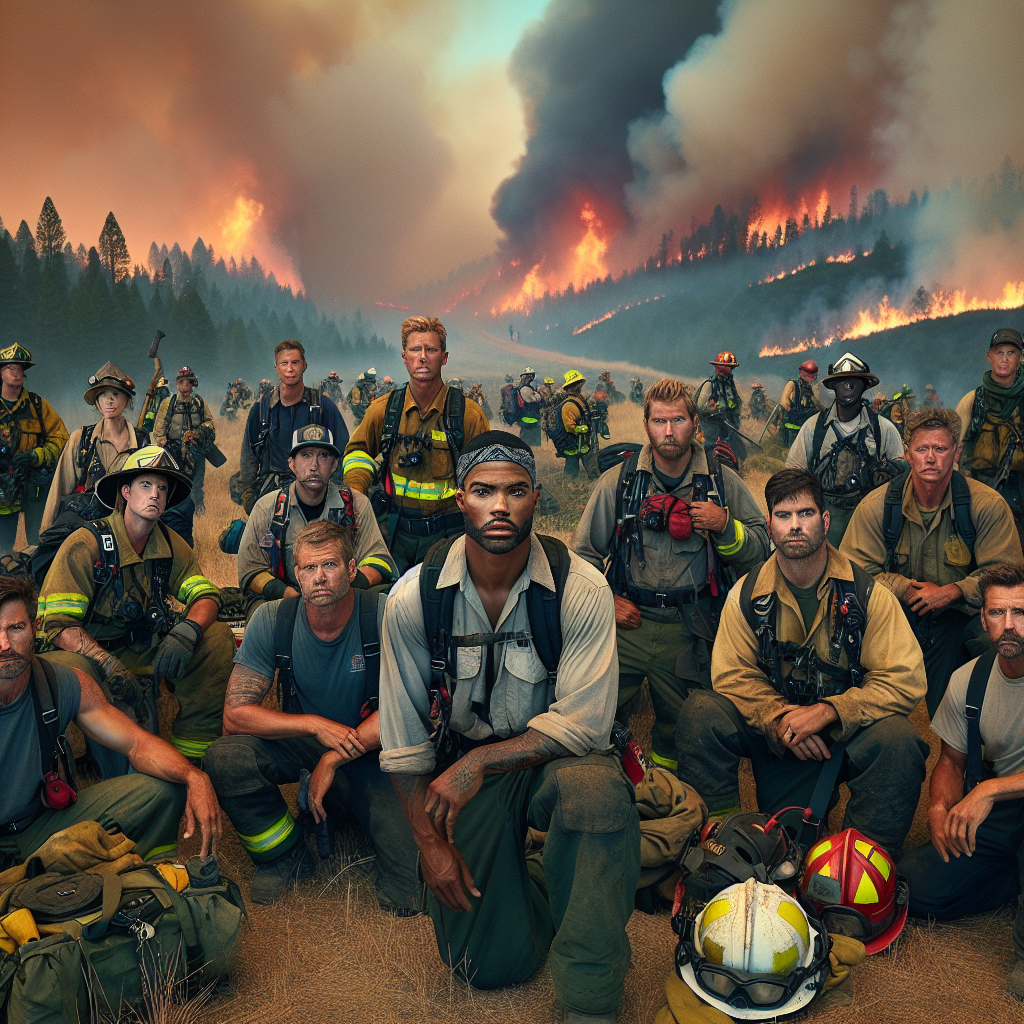
Wildland firefighters in the United States are facing a critical situation as many are choosing to leave their jobs. This trend is driven by a combination of inadequate compensation and overwhelming work demands, which are exacerbating the challenges of an already dangerous profession.

Key Challenges Faced by Firefighters
- Low Pay: Despite the high-risk nature of their work, wildland firefighters often receive wages that do not reflect the dangers and responsibilities they undertake.
- Intense Workload: The increasing frequency and intensity of wildfires have led to longer working hours and more extended fire seasons, pushing firefighters to their limits.
- Mental and Physical Strain: The job’s demands take a significant toll on both the mental and physical health of firefighters, leading to burnout and fatigue.
Impact on Firefighting Efforts
The exodus of experienced firefighters is creating a gap in the workforce, which could have severe implications for wildfire management and public safety. The loss of seasoned personnel means a reduction in expertise and leadership during critical fire events.


Calls for Reform
There is a growing call for reforms to address these issues, including:


- Increasing salaries to provide fair compensation for the risks involved.
- Implementing measures to reduce workload and prevent burnout.
- Enhancing support systems for mental health and well-being.
Conclusion
The departure of wildland firefighters due to being underpaid and overworked highlights a pressing need for systemic changes. Addressing these challenges is crucial to ensuring the sustainability of firefighting efforts and the safety of communities at risk from wildfires.















