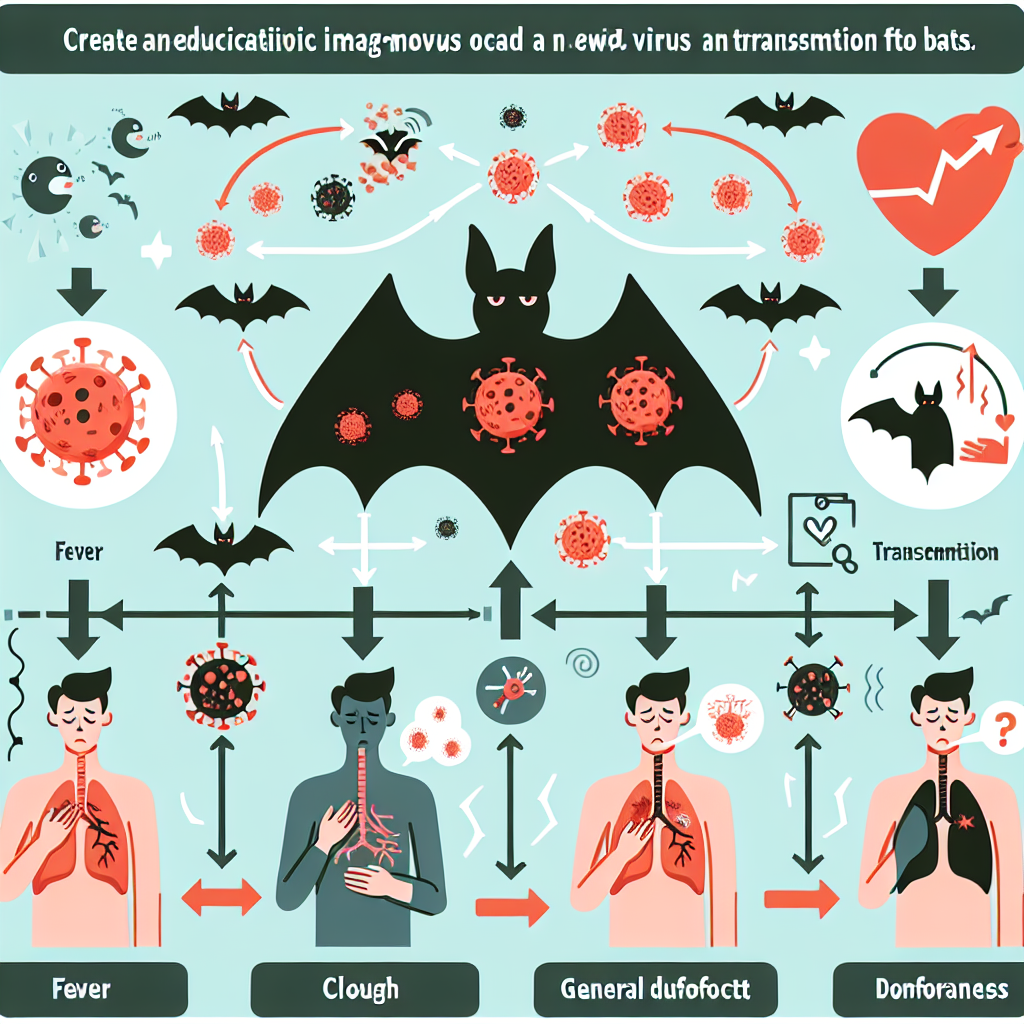
Understanding HKU5-CoV-2: Symptoms and Transmission of the New Bat Virus

Understanding HKU5-CoV-2: Symptoms and Transmission of the New Bat Virus
Introduction to HKU5-CoV-2
HKU5-CoV-2 is a newly identified virus originating from bats, raising concerns due to its potential impact on human health. As researchers delve into its characteristics, understanding its symptoms and transmission is crucial for public awareness and preparedness.

Key Symptoms of HKU5-CoV-2
While research is ongoing, initial findings suggest that HKU5-CoV-2 shares some symptoms with other coronaviruses. Key symptoms include:


- Fever and chills
- Cough and sore throat
- Shortness of breath
- Fatigue and muscle aches
- Gastrointestinal issues such as nausea or diarrhea
Transmission Dynamics
Understanding how HKU5-CoV-2 spreads is vital for controlling its transmission. Current insights indicate:


- Primary transmission is believed to occur through respiratory droplets.
- Close contact with infected individuals increases the risk of spread.
- Potential for zoonotic transmission from bats to humans, though direct evidence is still under investigation.
Preventive Measures
To mitigate the spread of HKU5-CoV-2, health experts recommend several preventive strategies:
- Maintaining good hygiene practices, such as regular handwashing.
- Wearing masks in crowded or enclosed spaces.
- Practicing social distancing where possible.
- Staying informed about updates from health authorities.
Conclusion
HKU5-CoV-2 presents a new challenge in the realm of infectious diseases, with symptoms and transmission patterns that require careful monitoring. By understanding its characteristics and adopting preventive measures, we can better prepare for potential outbreaks and protect public health.