
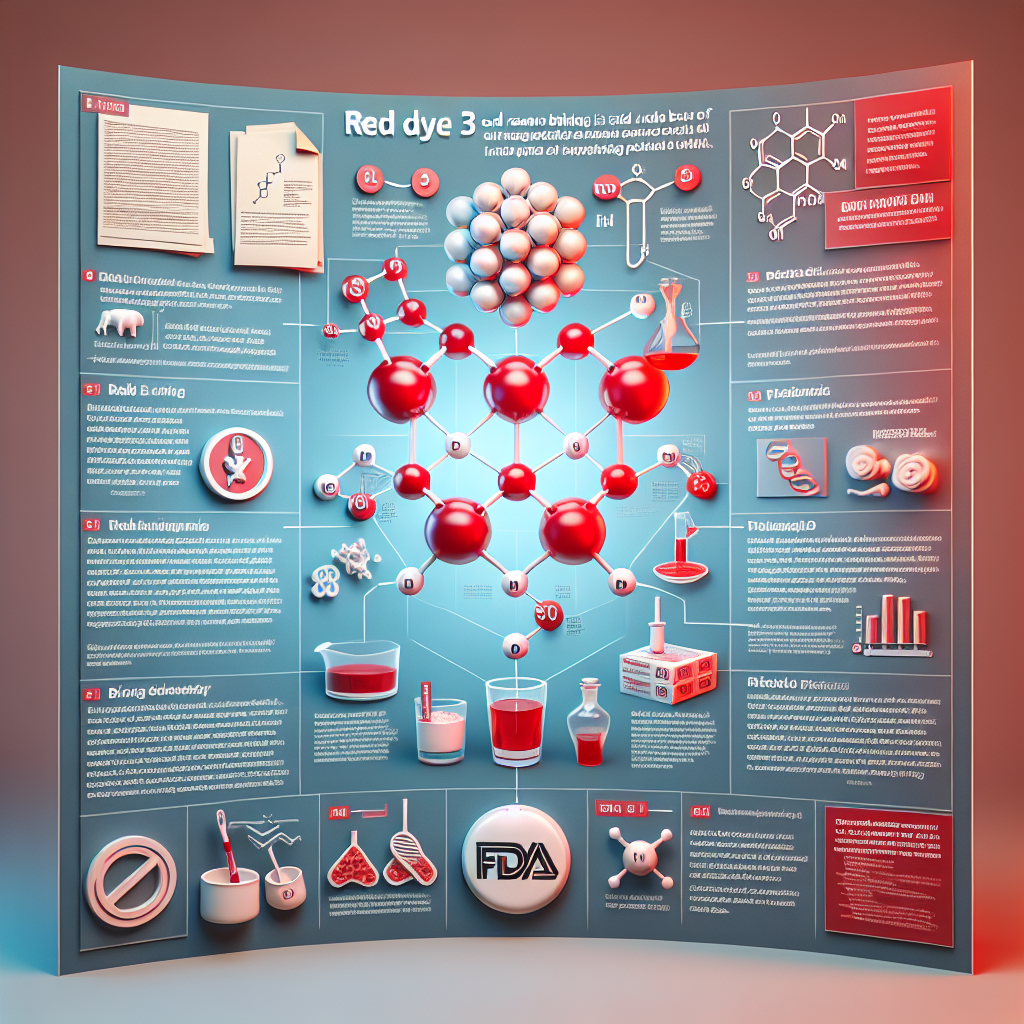
Understanding Red Dye 3: Reasons Behind the FDA’s Food and Drink Ban

Understanding Red Dye 3: Reasons Behind the FDA’s Food and Drink Ban
Introduction to Red Dye 3
Red Dye 3, also known as Erythrosine, is a synthetic dye commonly used to impart a bright red color to various food and drink products. Despite its widespread use, recent regulatory actions have raised concerns about its safety.

FDA’s Decision to Ban Red Dye 3
The U.S. Food and Drug Administration (FDA) has decided to ban Red Dye 3 in food and drink products due to mounting evidence of potential health risks. This decision marks a significant shift in food safety regulations.


Key Reasons for the Ban
- Health Concerns: Studies have linked Red Dye 3 to potential carcinogenic effects, particularly in animal studies, prompting concerns about its safety for human consumption.
- Consumer Advocacy: Increased pressure from consumer advocacy groups has highlighted the need for stricter regulations on artificial additives.
- International Standards: Other countries have already restricted or banned the use of Red Dye 3, influencing the FDA’s decision to align with global safety standards.
Impact on the Food and Beverage Industry
The ban on Red Dye 3 is expected to have significant implications for manufacturers and consumers alike. Companies will need to reformulate products to comply with the new regulations, potentially leading to changes in product appearance and taste.


Industry Response
- Reformulation Efforts: Many companies are exploring natural alternatives to replace Red Dye 3, such as beet juice or paprika extract.
- Cost Implications: Reformulating products may increase production costs, which could be passed on to consumers.
- Consumer Awareness: The ban has heightened consumer awareness about food additives, leading to increased demand for transparency in ingredient labeling.
Conclusion
The FDA’s ban on Red Dye 3 underscores the importance of food safety and consumer protection. As the industry adapts to these changes, consumers can expect to see a shift towards more natural ingredients in their food and beverages. This decision reflects a growing trend towards prioritizing health and safety in food production.















