
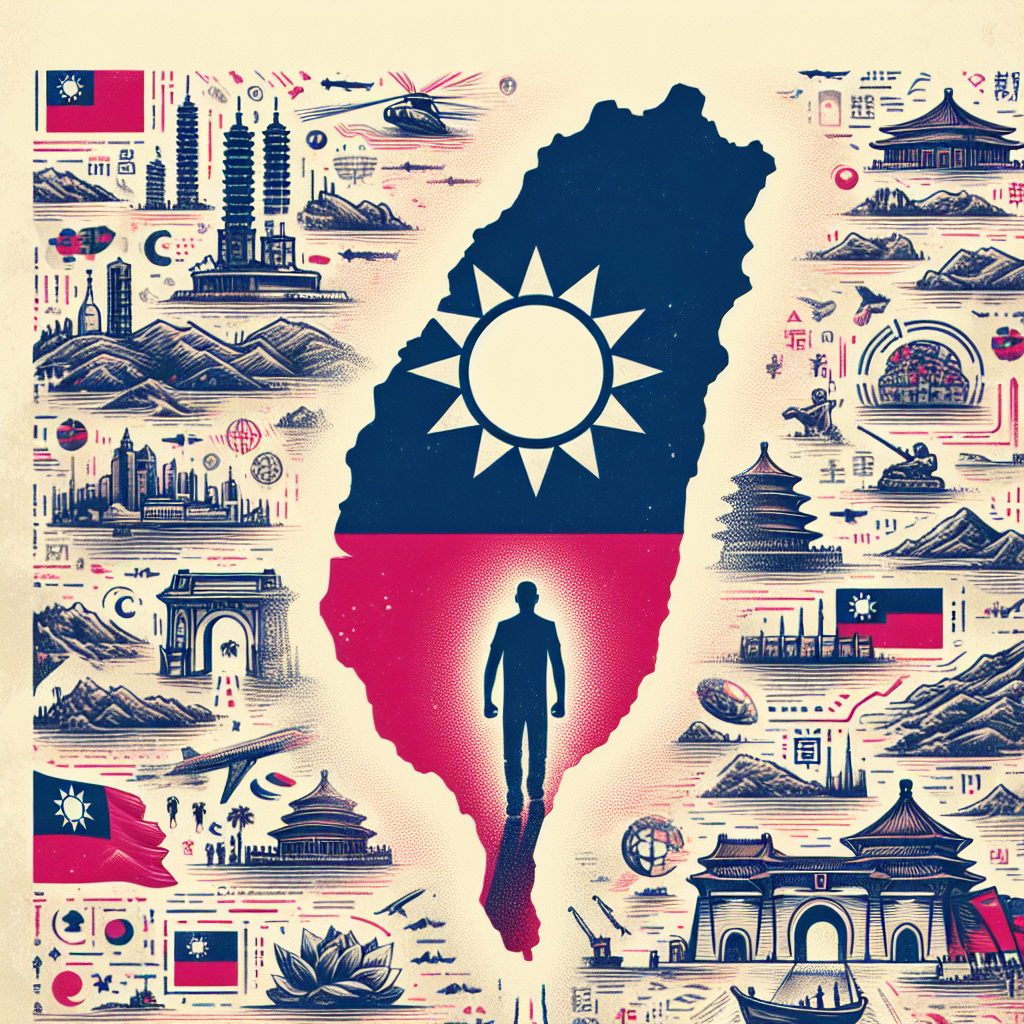
Understanding Taiwan’s Independence: Is It Already a Reality?

Understanding Taiwan’s Independence: Is It Already a Reality?
Introduction
The question of Taiwan’s independence is a complex and multifaceted issue that has significant geopolitical implications. This topic explores whether Taiwan’s independence is already a reality, examining the historical context, current political stance, and international perspectives.

Historical Context
To understand Taiwan’s current status, it’s essential to consider its historical background:


- Post-World War II: Taiwan was placed under the governance of the Republic of China (ROC) after Japan’s defeat.
- Chinese Civil War: The ROC retreated to Taiwan in 1949 after losing the mainland to the Communist Party of China (CPC).
- One China Policy: Both the People’s Republic of China (PRC) and ROC initially claimed to be the legitimate government of all China.
Current Political Stance
Today, Taiwan operates with a high degree of autonomy, but its political status remains contentious:


- Democratic Governance: Taiwan has its own democratic government, military, and constitution.
- Economic Independence: It functions as a separate economic entity with robust international trade relations.
- Identity and Culture: A distinct Taiwanese identity has emerged, with many citizens identifying as Taiwanese rather than Chinese.
International Perspectives
The international community’s stance on Taiwan’s independence is varied and often influenced by diplomatic relations with China:
- Limited Recognition: Only a few countries officially recognize Taiwan as a sovereign state.
- Strategic Ambiguity: Many countries, including the United States, maintain unofficial relations with Taiwan while acknowledging the One China Policy.
- Global Tensions: Taiwan’s status is a flashpoint in US-China relations, with potential implications for regional security.
Conclusion
While Taiwan operates with significant autonomy and has developed a unique identity, its status as an independent nation is not universally recognized. The island’s future remains uncertain, influenced by historical claims, current governance, and international diplomacy. The question of whether Taiwan’s independence is already a reality depends largely on perspective, with its de facto independence contrasting with its de jure status on the global stage.













