
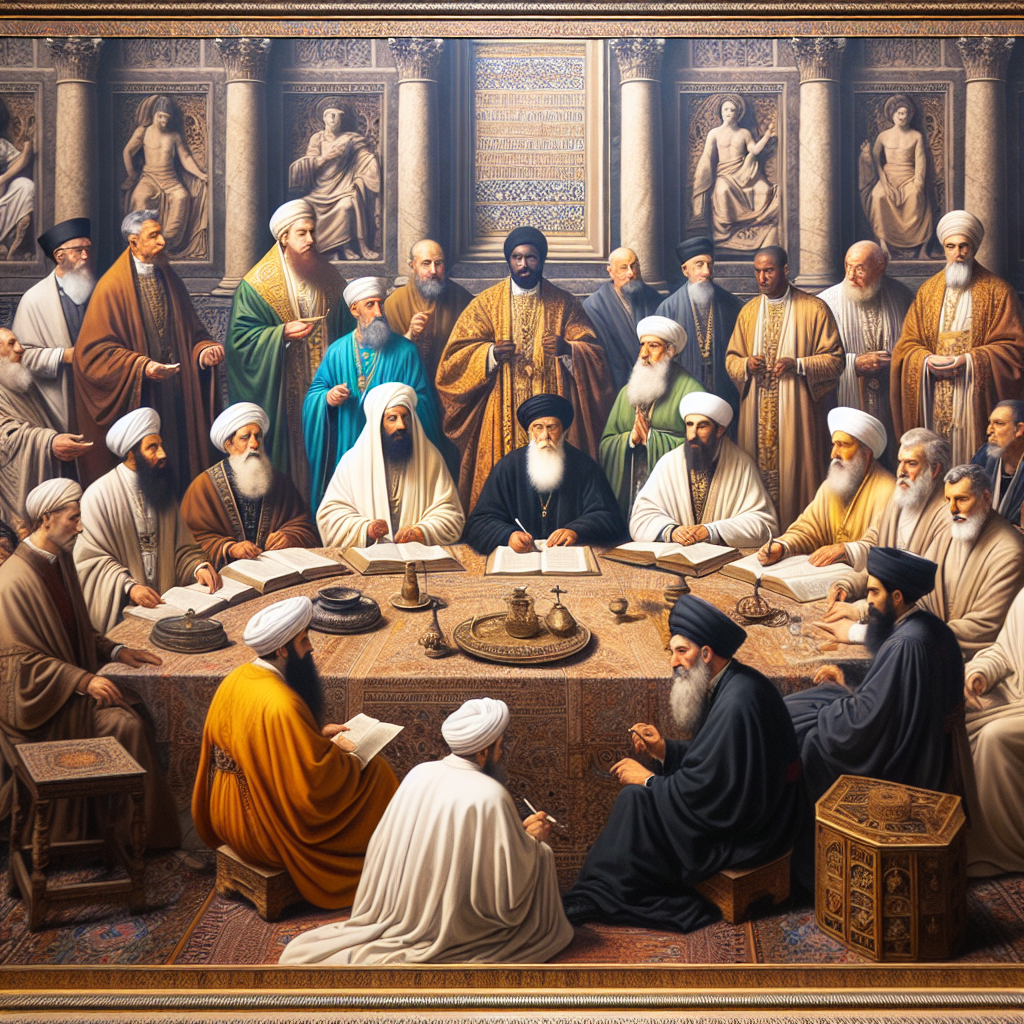
Understanding the Conclave: The Process of Choosing the Next Pope

Understanding the Conclave: The Process of Choosing the Next Pope
Introduction to the Conclave
The conclave is a centuries-old tradition of the Roman Catholic Church, responsible for electing a new pope. This sacred and secretive process is steeped in history and ritual, ensuring the selection of a leader who embodies the spiritual and administrative qualities necessary to guide the Church.

The Setting: Sistine Chapel
The conclave takes place in the Sistine Chapel, a location chosen for its historical significance and seclusion. Cardinals from around the world gather here, isolated from external influences, to deliberate and vote.


Participants: The College of Cardinals
The College of Cardinals, composed of senior church officials, is tasked with electing the pope. Key points about the participants include:


- Only cardinals under the age of 80 are eligible to vote.
- The number of voting cardinals is typically around 120.
- Cardinals are sworn to secrecy regarding the proceedings.
The Voting Process
The election process is meticulous and follows a structured format:
- Cardinals participate in multiple rounds of voting, known as scrutinies.
- A two-thirds majority is required to elect a new pope.
- Ballots are burned after each round, with the smoke signaling the outcome: black for no decision, white for a successful election.
Traditions and Rituals
The conclave is rich with traditions that emphasize its spiritual significance:
- The “Extra Omnes” command, meaning “everyone out,” marks the start of the conclave, ensuring privacy.
- Cardinals take an oath of secrecy and fidelity to the process.
- The newly elected pope is asked if he accepts the position and chooses a papal name.
Conclusion: The Significance of the Conclave
The conclave is a profound event that not only determines the future leader of the Catholic Church but also reflects its deep-rooted traditions and values. The process underscores the importance of unity, faith, and continuity within the Church, ensuring that the chosen pope is prepared to lead with wisdom and compassion.















