
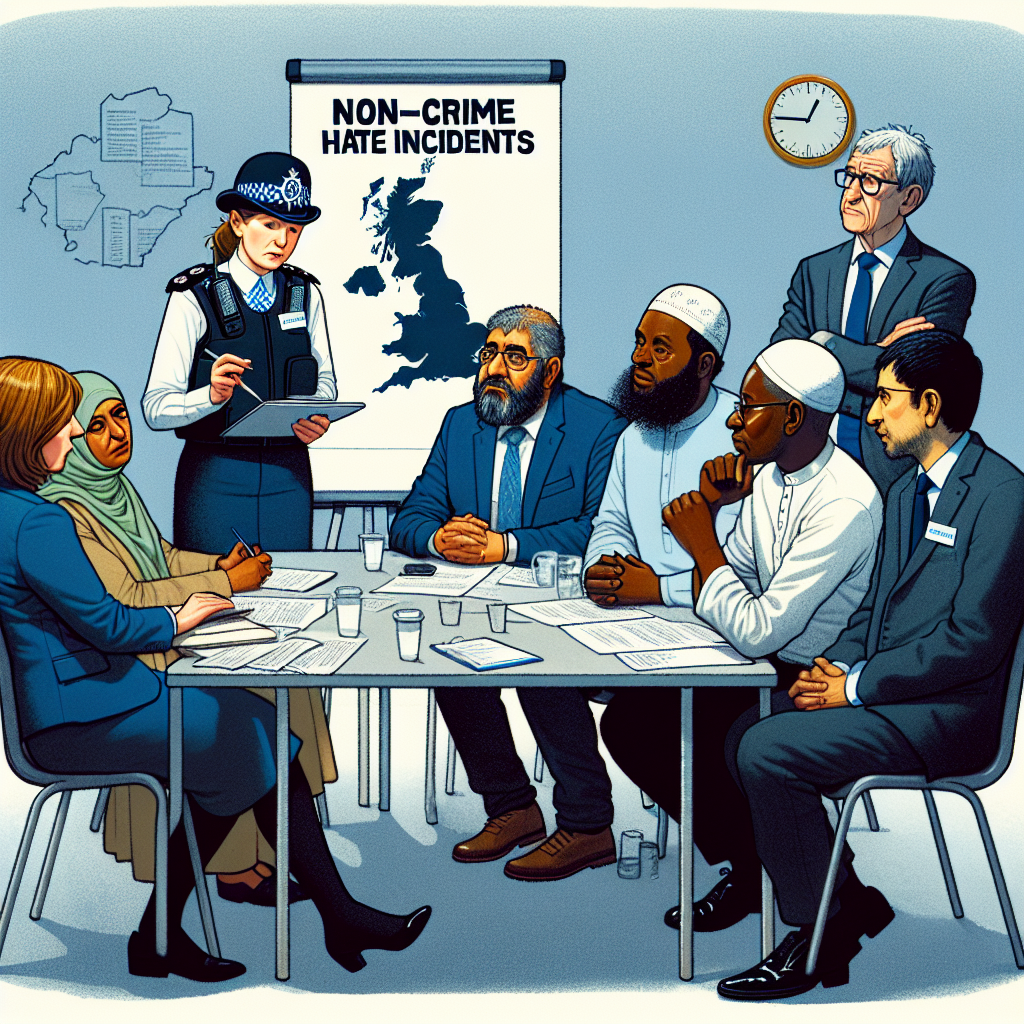
Understanding the Controversy Surrounding ‘Non-Crime Hate Incidents’ in the UK

Understanding the Controversy Surrounding ‘Non-Crime Hate Incidents’ in the UK
Introduction to Non-Crime Hate Incidents
In the UK, ‘Non-Crime Hate Incidents’ (NCHIs) have sparked significant debate. These incidents are recorded by police when actions are perceived as motivated by hostility towards a person’s race, religion, sexual orientation, disability, or transgender identity, even if they don’t meet the threshold of a criminal offense.

Key Points of Controversy
- Freedom of Speech Concerns: Critics argue that recording NCHIs can infringe on free speech, as individuals may be deterred from expressing opinions for fear of being labeled as engaging in hate incidents.
- Impact on Individuals: Being recorded for an NCHI can have personal and professional repercussions, as these records can appear in background checks.
- Lack of Clarity: The criteria for what constitutes an NCHI are often seen as vague, leading to inconsistent application across different regions and cases.
Support for Non-Crime Hate Incidents
Proponents of NCHIs argue that they play a crucial role in monitoring and preventing hate crimes. By recording these incidents, authorities can identify patterns of behavior that may escalate into criminal acts, thus providing an early intervention mechanism.


Recent Developments
In response to the controversy, there have been calls for reform. The UK government and police forces are reviewing the guidelines to ensure a balance between protecting individuals from hate and safeguarding freedom of expression.


Conclusion
The debate over Non-Crime Hate Incidents in the UK highlights the tension between maintaining public safety and protecting individual freedoms. As discussions continue, finding a balanced approach that addresses both concerns remains a priority for policymakers.















