
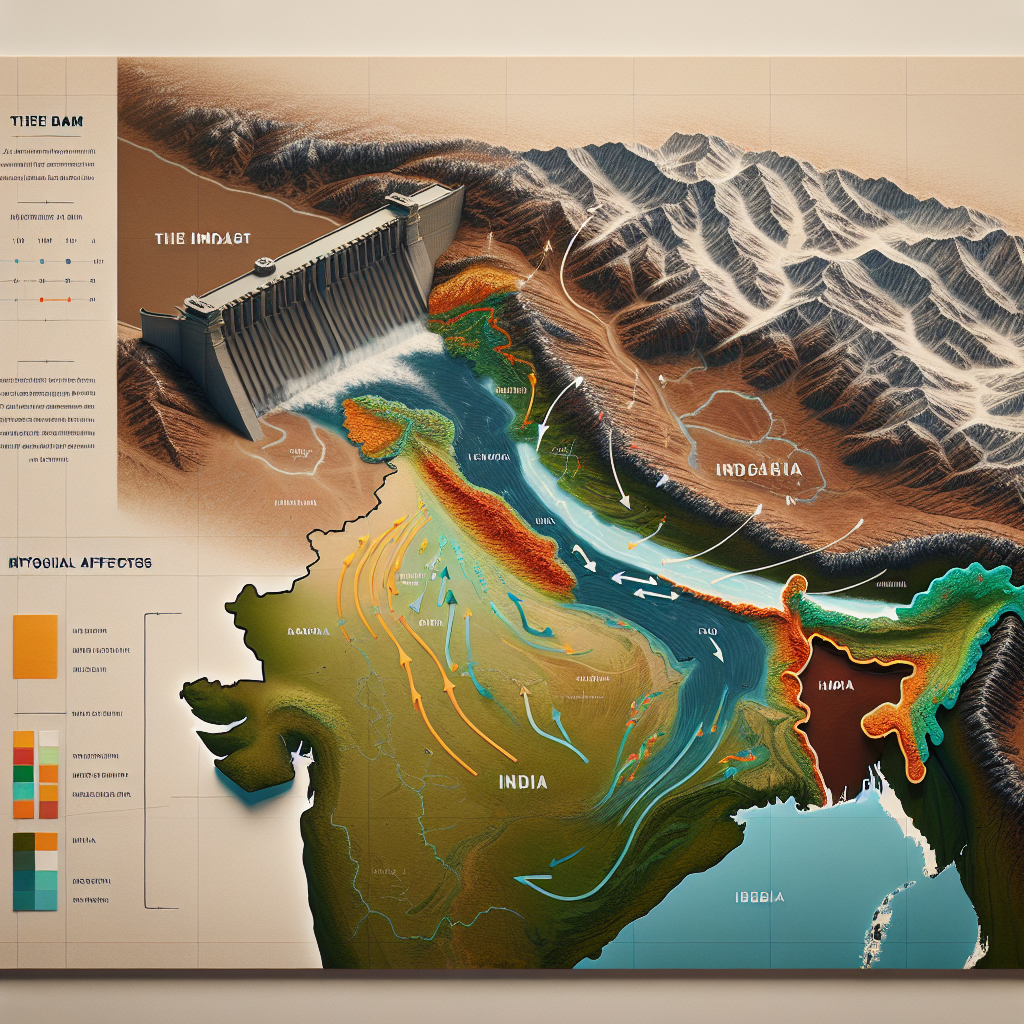
Understanding the Impact of China’s Proposed Mega Dam in Tibet on India

Understanding the Impact of China’s Proposed Mega Dam in Tibet on India
Introduction
China’s ambitious plan to construct a mega dam on the Yarlung Tsangpo River in Tibet has sparked significant concerns in India. This development could have far-reaching implications for water security, geopolitical dynamics, and environmental sustainability in the region.

Key Concerns for India
- Water Security: The Yarlung Tsangpo River, known as the Brahmaputra in India, is a crucial water source for millions. The dam could alter water flow, affecting agriculture and livelihoods downstream.
- Geopolitical Tensions: The project may exacerbate existing tensions between China and India, as water resources become a strategic asset in regional power dynamics.
- Environmental Impact: The construction and operation of the dam could disrupt local ecosystems, affecting biodiversity and increasing the risk of natural disasters like floods.
Potential Benefits for China
- Hydropower Generation: The dam is expected to generate significant hydropower, supporting China’s energy needs and reducing reliance on fossil fuels.
- Economic Development: Infrastructure projects like this can stimulate economic growth in Tibet, providing jobs and improving local infrastructure.
India’s Strategic Response
India is exploring diplomatic and technical measures to address the potential impacts of the dam. This includes engaging in dialogue with China, enhancing regional cooperation with neighboring countries, and investing in water management technologies to mitigate risks.


Conclusion
The proposed mega dam in Tibet presents both challenges and opportunities for China and India. While it promises economic and energy benefits for China, it raises significant concerns for India regarding water security and environmental sustainability. The situation underscores the need for collaborative water management and diplomatic engagement to ensure regional stability and sustainable development.















