
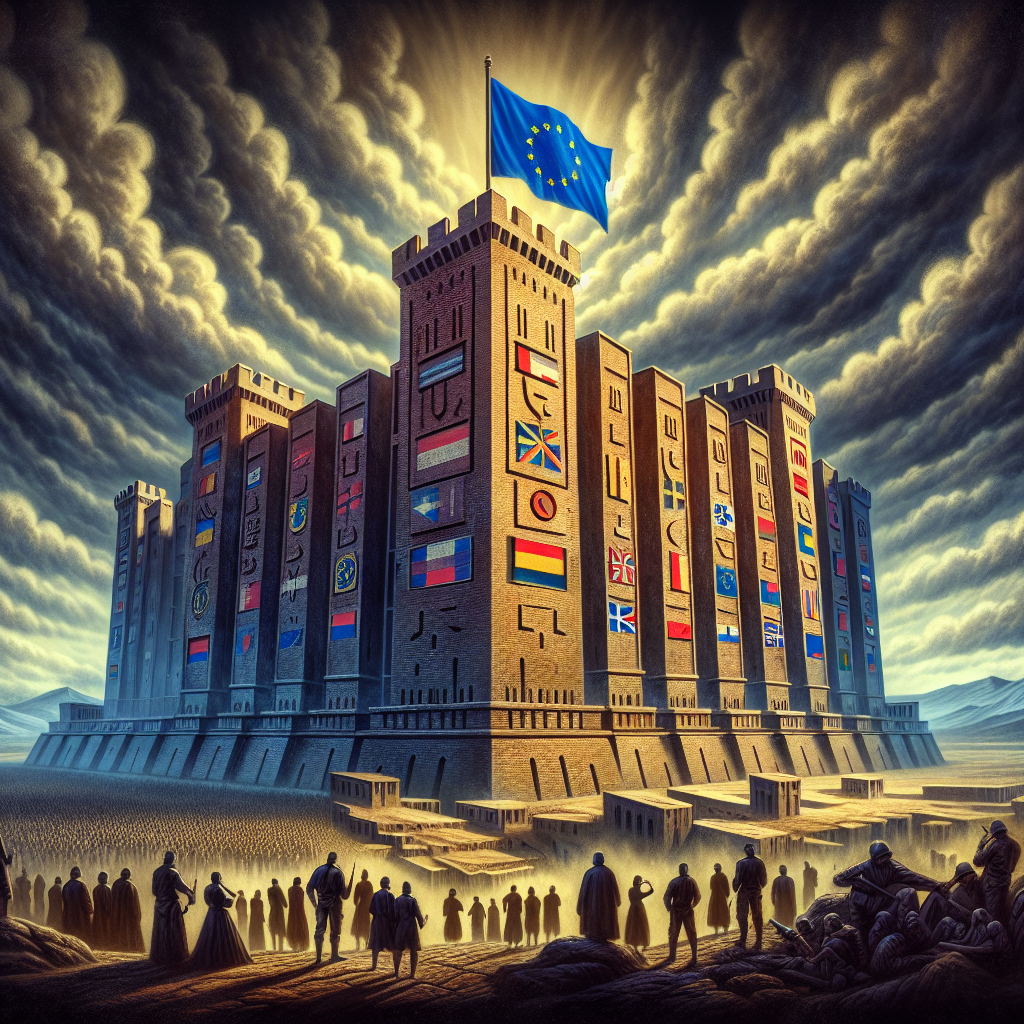
Unveiling the EU’s Military Ambitions: The Forces Behind the Frenzy

Unveiling the EU’s Military Ambitions: The Forces Behind the Frenzy
Introduction
The European Union is making significant strides in bolstering its military capabilities, driven by a complex web of geopolitical, economic, and security factors. This development marks a pivotal shift in the EU’s approach to defense and international influence.

Key Drivers of EU’s Military Expansion
- Geopolitical Tensions: Rising tensions with neighboring regions and global powers have prompted the EU to reconsider its defense strategies.
- Security Concerns: Increasing threats from cyber attacks, terrorism, and regional conflicts necessitate a robust military response.
- Economic Interests: Protecting trade routes and economic interests is a crucial factor in the EU’s military planning.
- Strategic Autonomy: The EU aims to reduce dependency on NATO and the US, seeking greater control over its defense policies.
Key Initiatives and Developments
The EU has launched several initiatives to enhance its military capabilities, including:


- European Defence Fund (EDF): A financial mechanism to support collaborative defense projects among member states.
- PESCO (Permanent Structured Cooperation): A framework for deeper defense cooperation and joint military projects.
- Military Mobility: Efforts to improve the movement of troops and equipment across Europe.
- Cyber Defense Strategy: Strengthening cybersecurity measures to protect critical infrastructure and data.
Challenges and Criticisms
Despite the ambitious plans, the EU faces several challenges:


- Member State Disparities: Varied defense capabilities and priorities among member states can hinder unified action.
- Budget Constraints: Allocating sufficient funds for defense without compromising other critical areas remains a challenge.
- Public Opinion: Skepticism and opposition from citizens concerned about militarization and its implications.
Conclusion
The EU’s military ambitions reflect a strategic pivot towards greater self-reliance and global influence. While challenges persist, the initiatives underway signify a transformative period for the EU’s defense posture. As the EU navigates these complexities, its success will depend on balancing ambition with collaboration and resource management.












