
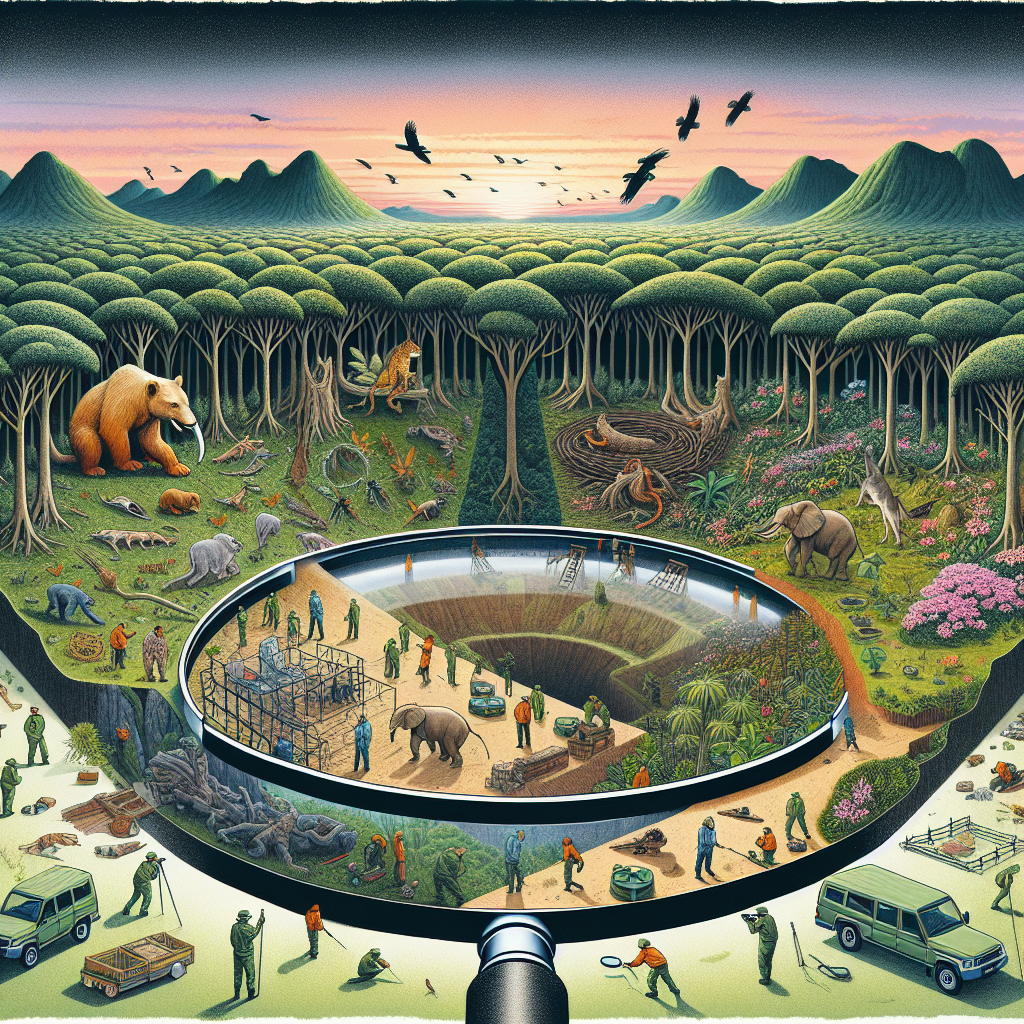
Unveiling the Shadows: True Crime in Conservation

Unveiling the Shadows: True Crime in Conservation
Introduction to Conservation Crime
Conservation crime is an often-overlooked aspect of environmental protection, involving illegal activities that threaten wildlife and natural resources. This topic sheds light on the dark underbelly of conservation efforts, where crime and corruption undermine global sustainability initiatives.

The Scope of Conservation Crime
Conservation crime encompasses a wide range of illegal activities that have severe implications for biodiversity and ecosystems. Key areas include:


- Poaching and illegal wildlife trade
- Illegal logging and deforestation
- Unlawful fishing practices
- Corruption within conservation organizations
Impact on Biodiversity and Ecosystems
The consequences of conservation crime are far-reaching, affecting not only the environment but also local communities and global biodiversity. Some of the critical impacts include:


- Loss of endangered species
- Destruction of natural habitats
- Disruption of ecological balance
- Economic losses for communities dependent on natural resources
Efforts to Combat Conservation Crime
Various strategies are being implemented worldwide to tackle conservation crime. These efforts involve collaboration between governments, NGOs, and local communities. Key initiatives include:
- Strengthening legal frameworks and enforcement
- Raising awareness and education
- Promoting sustainable practices
- Utilizing technology for monitoring and surveillance
Conclusion
Conservation crime poses a significant threat to global biodiversity and environmental sustainability. By understanding the scope and impact of these illegal activities, and through concerted efforts to combat them, we can work towards a future where conservation efforts are not undermined by crime and corruption. The fight against conservation crime is crucial for preserving our planet’s natural heritage for future generations.















