
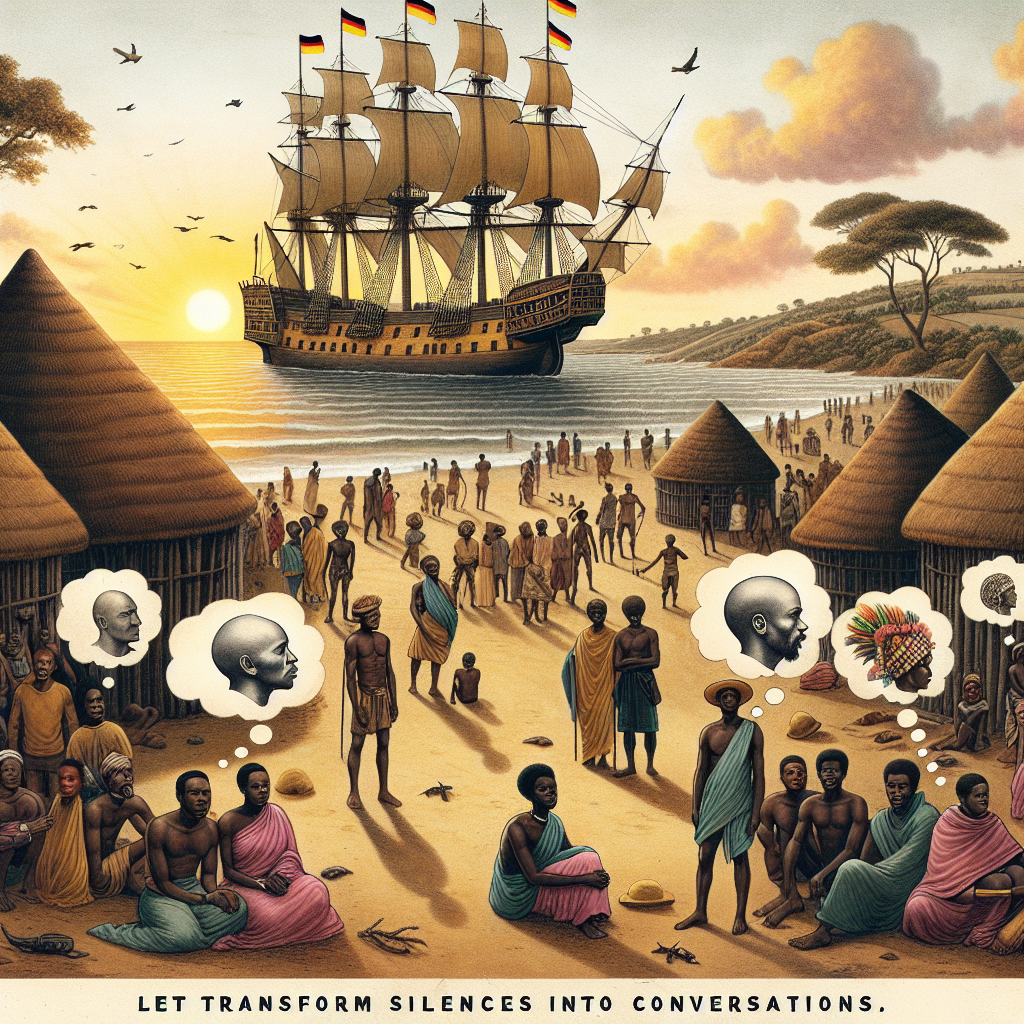
Unveiling the Silence: Germany’s Colonial Legacy in Africa

Unveiling the Silence: Germany’s Colonial Legacy in Africa
Introduction to Germany’s Colonial Past
Germany’s colonial history in Africa, often overshadowed by other European powers, is gaining renewed attention. This exploration delves into the impact and legacy of German colonial rule, particularly in regions like Namibia and Tanzania.

Key Aspects of German Colonialism
- Colonial Territories: Germany’s African colonies included present-day Namibia, Tanzania, Cameroon, and Togo.
- Economic Exploitation: The colonies were primarily used for resource extraction and economic gain, often at the expense of local populations.
- Military Conflicts: Notable conflicts, such as the Herero and Namaqua genocide in Namibia, highlight the brutal nature of German colonial rule.
Modern-Day Repercussions
The legacy of German colonialism continues to affect African nations today, influencing socio-economic conditions and international relations. Efforts to address historical injustices are ongoing, with calls for reparations and formal apologies.


Germany’s Response and Reconciliation Efforts
- Official Apologies: Germany has issued formal apologies for atrocities committed during its colonial rule.
- Reparations: Discussions around reparations are ongoing, with some agreements reached to support development projects in affected regions.
- Cultural Acknowledgment: Initiatives to return cultural artifacts and human remains to African nations are part of Germany’s reconciliation efforts.
Conclusion
Germany’s colonial legacy in Africa is a complex and multifaceted issue that continues to shape contemporary relations. By acknowledging past wrongs and engaging in meaningful reconciliation efforts, Germany aims to foster a more equitable future with its African partners.

















