
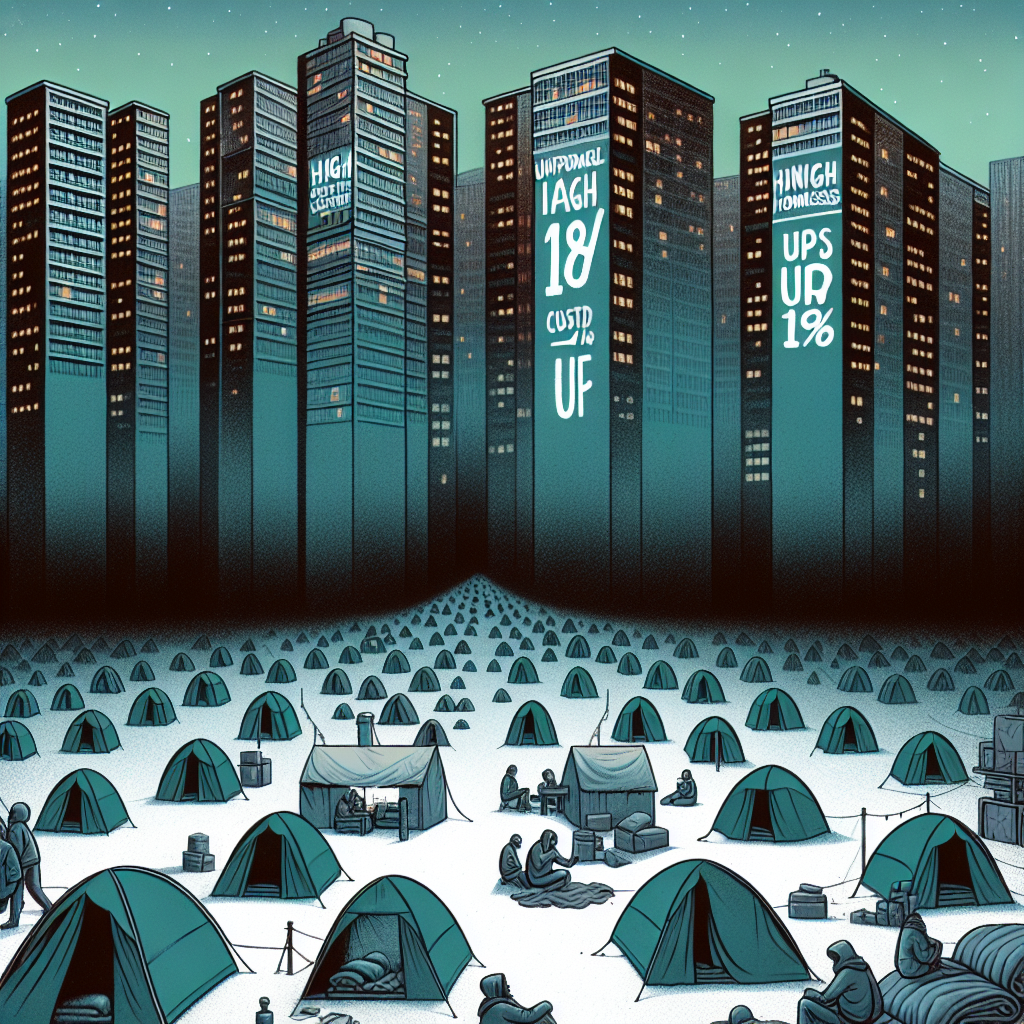
US Homelessness Surges 18% in a Year Due to Cost of Living Crisis

US Homelessness Surges 18% in a Year Due to Cost of Living Crisis
Overview
The United States is witnessing a significant increase in homelessness, with an 18% rise over the past year. This surge is primarily attributed to the escalating cost of living, which has outpaced wage growth and strained the financial stability of many Americans.

Key Factors Contributing to the Crisis
- Rising Housing Costs: The cost of housing has skyrocketed, making it increasingly difficult for low-income individuals and families to afford rent.
- Stagnant Wages: Despite economic growth, wage increases have not kept pace with inflation, leaving many workers unable to cover basic expenses.
- Inflation: The overall increase in the cost of goods and services has further strained household budgets.
- Lack of Affordable Housing: There is a significant shortage of affordable housing options, exacerbating the homelessness issue.
Impact on Communities
The rise in homelessness is affecting communities across the nation, leading to increased demand for social services and straining local resources. Cities are grappling with how to effectively address the needs of their homeless populations while managing public safety and health concerns.


Efforts to Address the Crisis
- Government Initiatives: Federal and state governments are exploring various programs to increase affordable housing and provide financial assistance to those in need.
- Nonprofit Organizations: Many nonprofits are stepping up efforts to provide shelter, food, and support services to the homeless.
- Community Involvement: Local communities are organizing to offer support and advocate for policy changes to address the root causes of homelessness.
Conclusion
The 18% surge in US homelessness highlights a growing crisis fueled by the cost of living outpacing wage growth. Addressing this issue requires a multifaceted approach involving government action, community support, and increased investment in affordable housing. As the nation grapples with these challenges, collaborative efforts are essential to mitigate the impact on vulnerable populations and work towards sustainable solutions.

















