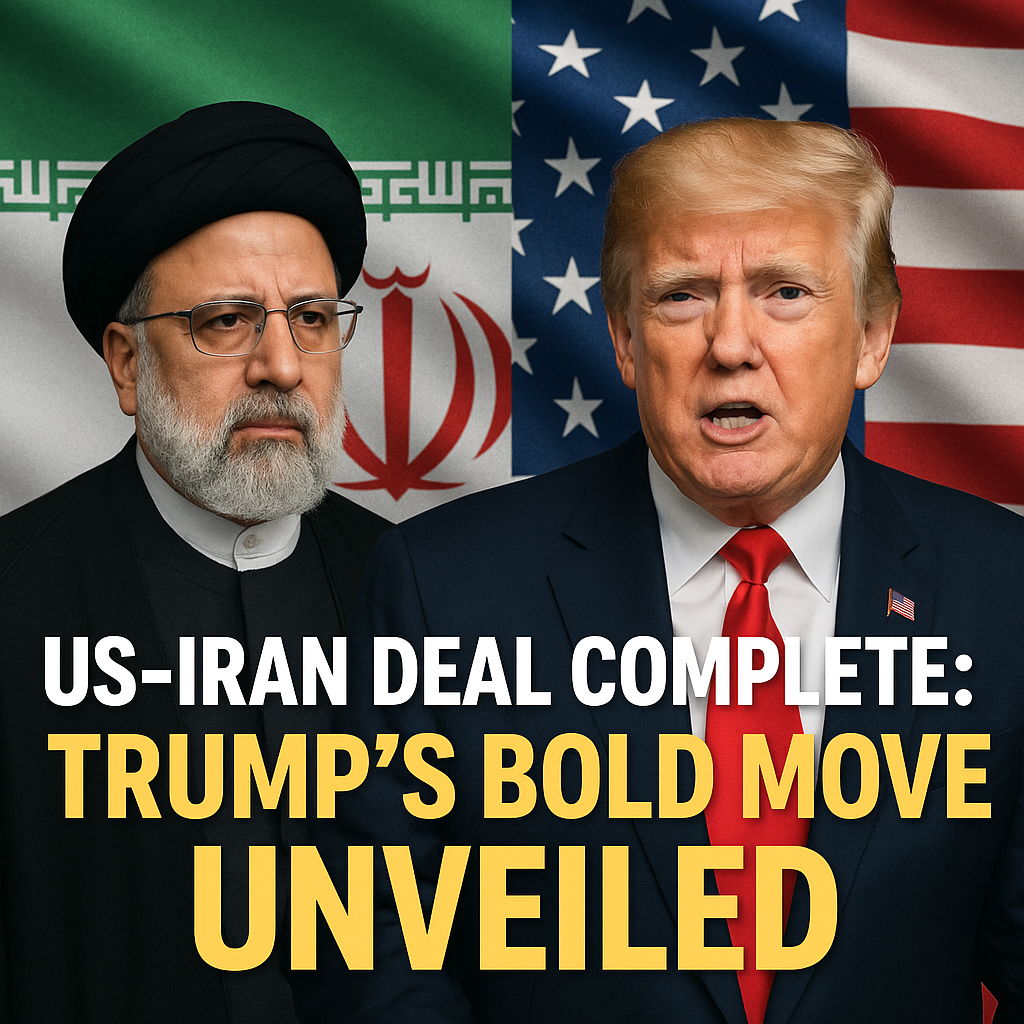
US-Iran Deal Complete: Trump’s Bold Move Unveiled

US-Iran Deal Complete: A Bold Diplomatic Shifts
The recent completion of a deal between the United States and Iran marks a bold diplomatic shift, reflecting a complex and often contentious relationship. This agreement, characterized by both hopes and skepticism, has garnered diverse reactions from various factions within the political landscape.

Historical Context of the US-Iran Relationship
For decades, the relationship between the US and Iran has been fraught with tension, primarily rooted in historical grievances dating back to the 1953 coup that overthrew Iran’s democratically elected Prime Minister, Mohammad Mossadegh. Strained further by the 1979 Islamic Revolution, which led to the severing of diplomatic ties, the two nations have since engaged in a series of sanctions, military threats, and regional proxy conflicts.


In recent years, efforts to address these tensions peaked with the Joint Comprehensive Plan of Action (JCPOA) in 2015, aimed at curbing Iran’s nuclear capabilities. However, the withdrawal of the United States from the agreement in 2018 under President Trump’s administration reignited hostilities. This latest deal, reaching fruition amidst complex geopolitical dynamics, raises questions about its implications for both countries and the broader Middle East.


Key Components of the New Deal
The newly unveiled deal has several significant components aimed at fostering a more cooperative relationship.
1. Nuclear Compliance: Iran has agreed to restrict its nuclear program once more, in return for the lifting of some sanctions that have crippled its economy.
2. Regional Security Cooperation: The US has pledged to engage in dialogues concerning regional security, particularly about Iran’s influence in Iraq, Syria, and Lebanon.
3. Economic Incentives: The agreement includes provisions for an economic package designed to revive Iranian trade, particularly in oil, which has been hit hard by international sanctions.
4. Human Rights Dialogue: Both countries have committed to increased dialogues regarding human rights, although the efficacy of these discussions remains to be seen.
While proponents herald this deal as a path toward stability in the region, critics argue that without stringent enforcement mechanisms, the agreement might not bring about lasting change.
Diverse Perspectives on the Deal
Reactions to the US-Iran deal have been markedly diverse, illuminating the polarized environment surrounding American foreign policy.
– Supporters’ Viewpoint: Many supporters, including various diplomatic experts, emphasize the agreement’s potential to avert military confrontation. They argue that engaging with Iran could lead to de-escalation and more constructive relations. For instance, former diplomats have noted that diplomacy often yields better outcomes than isolation and hostility.
– Skeptics’ Concerns: On the other hand, skepticism abounds among certain political factions and regional players who worry this deal could empower Iran’s influence in the Middle East, particularly its support for proxy militias. Critics from both the US and Israeli governments have voiced concerns that economic incentives might allow Iran to bolster its military capabilities rather than foster regional peace.
Broader Implications for Regional Stability
The implications of the deal extend beyond just the US-Iran relationship. Analysts emphasize that this agreement could redefine alliances across the Middle East.
– Reactions in the Gulf: Countries like Saudi Arabia and the UAE are closely monitoring these developments. Historical rivalries could reshape as Gulf states weigh their own security needs against an empowered Iran. Some Gulf leaders have expressed anxiety over the potential for a “nuclear domino effect,” fearing that Iran’s renewed capabilities could trigger arms races across the region.
– Impact on Global Energy Markets: With sanctions on Iranian oil possibly easing, the global energy markets may see fluctuation. Analysts predict that increased Iranian oil exports could lower prices, affecting economies heavily reliant on oil production.
– The Role of China and Russia: Both nations have expressed support for the deal, viewing it as a way to assert their influence in a long-standing US-dominated geopolitical landscape. This could lead to a reconfiguration of alliances in the region, impacting the longstanding Western presence.
Conclusion: Navigating Uncertain Waters
The completion of the US-Iran deal represents a pivotal moment in international diplomacy. While it holds promise for a potential thaw in relations, the uncertainties surrounding its enforcement, regional reactions, and the long-term efficacy of the agreement persist. As political analysts continue to dissect its implications, it remains evident that bold moves in diplomacy often come with both opportunities and pitfalls. In navigating these uncertain waters, the world will be closely watching how this agreement shapes inter-state relationships and efforts toward lasting peace in the region.