
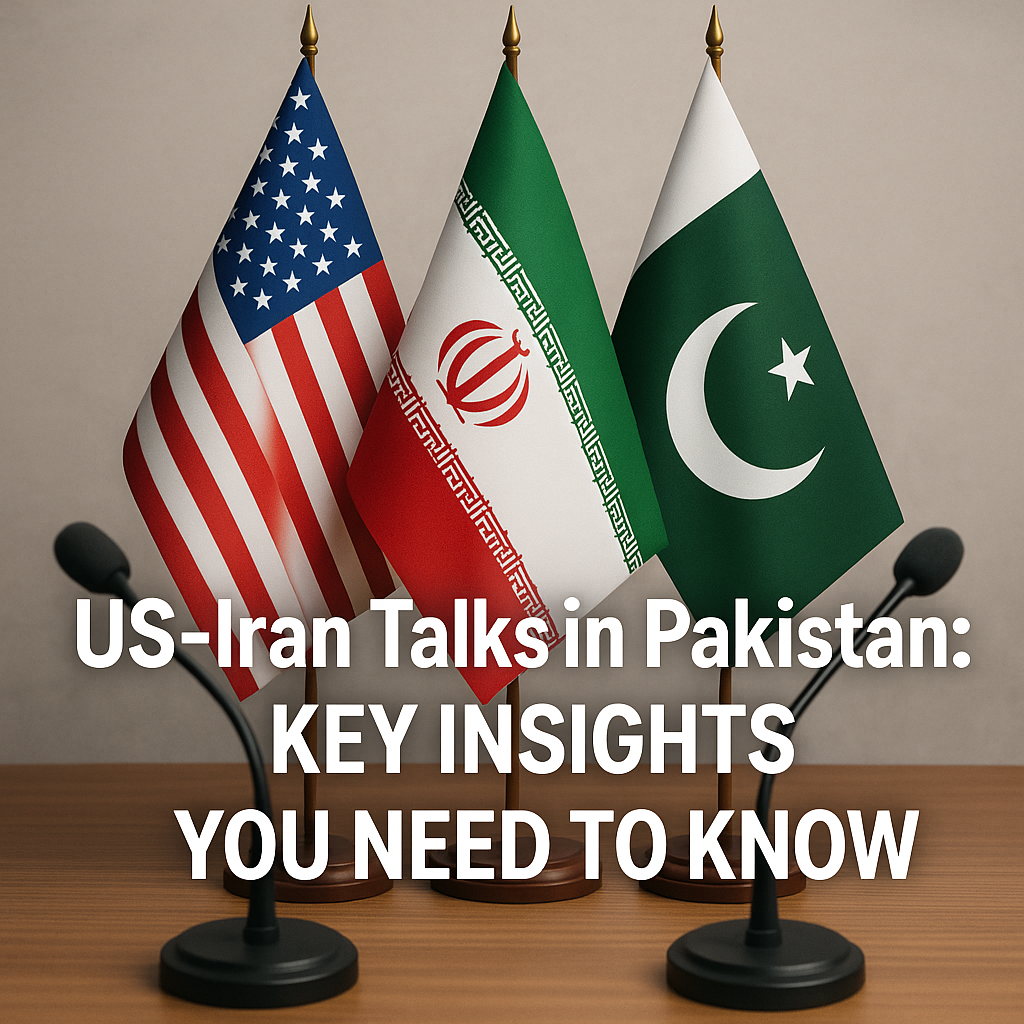
US-Iran Talks in Pakistan: Key Insights You Need to Know

US-Iran Talks in Pakistan: Key Insights You Need to Know
The recent US-Iran talks held in Pakistan represent a significant moment in diplomacy that could reshape regional dynamics in South Asia and Middle Eastern relations. As stakeholders gather, understanding the nuances and underlying sentiments around these discussions becomes crucial.

Historical Context of US-Iran Relations
For decades, the relationship between the United States and Iran has been a rollercoaster of conflict and dialogue, punctuated by events like the Iranian Revolution in 1979, the subsequent Hostage Crisis, and ongoing tensions surrounding Iran’s nuclear program. The 2015 Joint Comprehensive Plan of Action (JCPOA), designed to limit Iran’s nuclear capabilities in exchange for lifted sanctions, showcased a brief thawing of relations. However, the US withdrawal from the agreement in 2018 ignited new friction, prompting various diplomatic initiatives to restore some semblance of mutual trust.


The Role of Pakistan
In the alternating landscape of US-Iran relations, Pakistan has emerged as a key facilitator, looking to leverage its strategic position. As a country that shares ties with both the West and Iran, it aims to play a mediator role in fostering dialogue. This meeting in Pakistan is significant not just for its immediate implications but also for its potential to stabilize regional tensions.


Pakistan is grappling with its own economic challenges and seeks to bolster its international standing. Despite facing criticism internally and from abroad, engaging in these talks allows Pakistan to project an image of a diplomatic hub capable of navigating complex geopolitical waters.
Diverse Perspectives on the Talks
Optimistic Views
Many commentators view this round of talks as a chance to mend fences, especially in the face of mounting international challenges. The potential for easing tensions over nuclear issues has garnered cautious optimism. Some analysts argue that given the shared interests in combating extremism and stabilizing Afghanistan, the US and Iran may find common ground.
For instance, statements from some US officials suggest a willingness to engage in constructive dialogue, emphasizing that diplomacy, rather than saber-rattling, should define this relationship moving forward. This perspective is echoed in various media reports, highlighting a focus on dialogue as opposed to military posturing.
Skeptical Opinions
Conversely, a segment of analysts remains skeptical about the effectiveness of these talks. Concerns about Iran’s ongoing missile programs, regional influence, and the broader implications for US alliances in the Middle East cast a long shadow over negotiations. Some fear that even if dialogues occur, entrenched mistrust could stymie any significant breakthroughs.
According to critics, allowing Iran to gain additional leverage might embolden its actions in the region, raising alarms particularly among US allies like Israel and Saudi Arabia. The fundamental question remains whether both parties are genuinely committed to resolving their longstanding issues or merely engaging in dialogue for optics.
Key Considerations Moving Forward
Potential Outcomes
While the talks represent a crucial dialogue avenue, it’s essential to assess potential outcomes critically:
– Re-establishment of Direct Communication: A return to formal communications could lead to important security discussions, particularly regarding nuclear enrichment.
– Addressing Regional Stability: Discussions could extend into broader themes like counterterrorism cooperation, especially concerning groups that threaten both US and Iranian interests.
– Economic Incentives: Should trust be somewhat restored, economic discussions around lifting sanctions on Iran may gain traction, benefitting both Iran and its neighbors, including Pakistan.
Remaining Challenges
Despite possibilities, numerous hurdles exist. The lack of a cohesive strategy from both sides could lead to misinterpretations or missed opportunities. Past failures loom large, and with multiple stakeholders involved, reaching any accord remains a complex process. Key points of contention, like Iran’s nuclear ambitions and missile capabilities, require nuanced negotiation frameworks to ensure effective dialogue.
Conclusion: A Crucial Diplomatic Endeavor
In summary, the US-Iran talks in Pakistan encapsulate a complex interplay of hope, skepticism, and the weight of historical grievances. While the road to improved relations is fraught with challenges, the very act of engagement signals a potential step towards a more stable regional landscape. Observing the outcomes of these discussions will be key to understanding not only the future of US-Iran relations but also the broader dynamics at play in the international arena. As the world watches, the focus remains on whether this engagement can translate into tangible progress or simply serve as another chapter in an ongoing saga of geopolitical tension.















