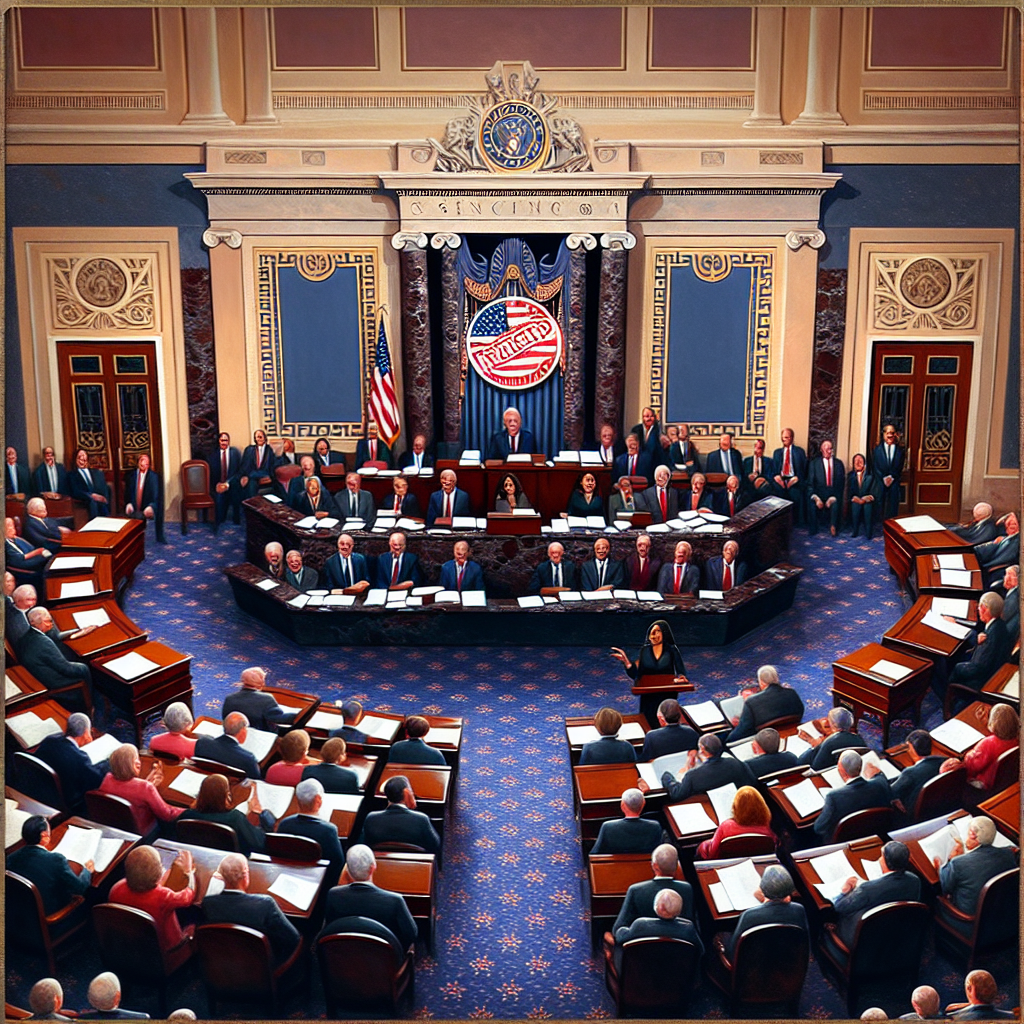
US Senate Rejects Bill to Sanction International Criminal Court

US Senate Rejects Bill to Sanction International Criminal Court
Overview
The United States Senate recently voted against a proposed bill aimed at imposing sanctions on the International Criminal Court (ICC). This decision marks a significant stance on international justice and the US’s relationship with global judicial bodies.

Key Points of the Bill
- The bill sought to penalize ICC officials involved in investigations of US citizens and allies.
- It proposed travel bans and asset freezes on ICC personnel.
- The bill was introduced amid ongoing tensions between the US and the ICC over jurisdictional disputes.
Reasons for Rejection
Several factors contributed to the Senate’s decision to reject the bill:


- Diplomatic Concerns: Lawmakers expressed worries about the potential diplomatic fallout and the impact on international relations.
- Support for International Justice: Some senators emphasized the importance of supporting international justice mechanisms and the rule of law.
- Legal and Ethical Implications: Concerns were raised about the legal and ethical implications of sanctioning an international judicial body.
Reactions and Implications
The rejection of the bill has elicited varied reactions from different stakeholders:


- Human Rights Groups: Many human rights organizations have welcomed the decision, viewing it as a commitment to international justice.
- Political Analysts: Analysts suggest this move could improve US relations with allies who support the ICC.
- Opposition Voices: Critics argue that the decision undermines US sovereignty and fails to protect American interests.
Conclusion
The US Senate’s decision to reject the bill to sanction the International Criminal Court underscores a complex balance between national interests and international cooperation. By opting against punitive measures, the Senate has signaled a preference for diplomatic engagement and support for global justice systems, while also navigating the intricate dynamics of international law and politics.