
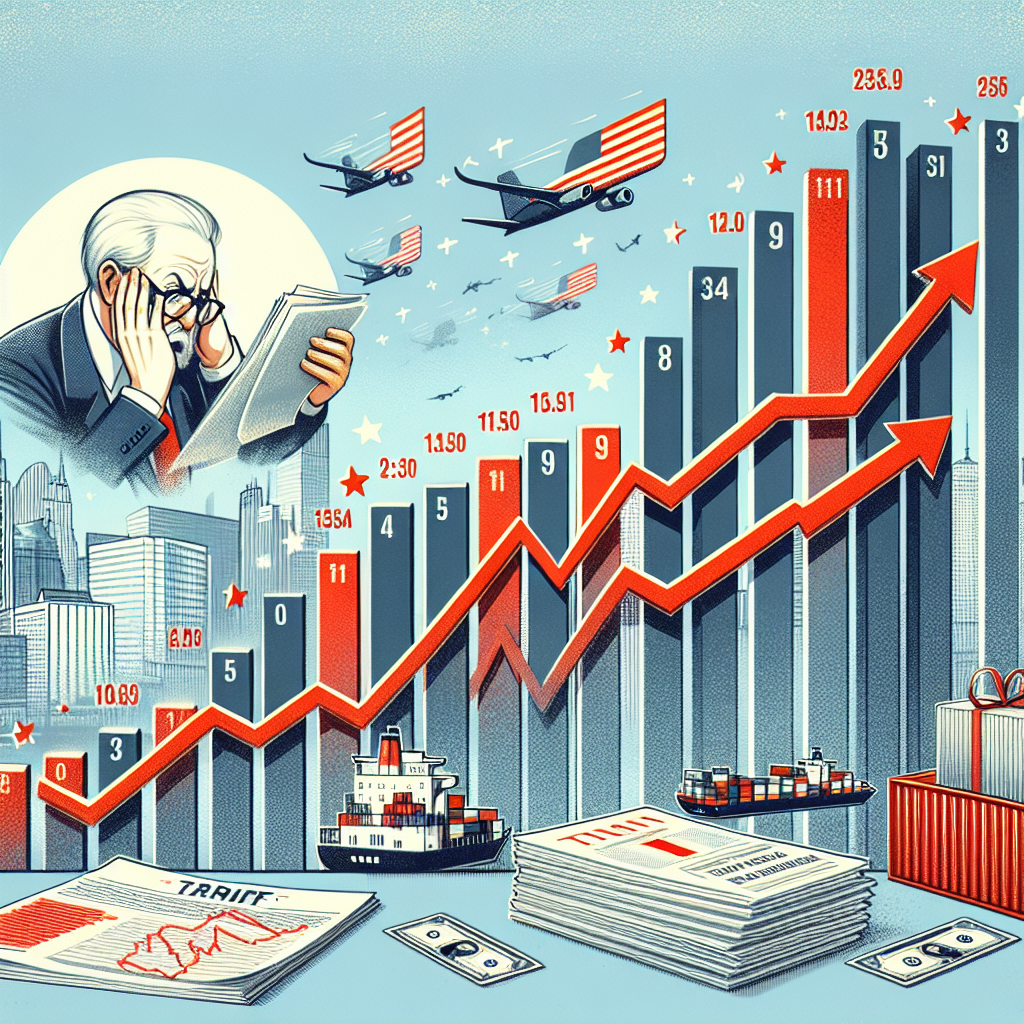
US Trade Deficit Reaches Record High in January Amid Tariff Concerns

US Trade Deficit Reaches Record High in January Amid Tariff Concerns
Overview of the Record-High Trade Deficit
In January, the United States experienced a significant economic shift as its trade deficit soared to unprecedented levels. This development has sparked widespread concern among economists and policymakers, particularly in the context of ongoing tariff disputes.

Key Factors Contributing to the Deficit
- Increased Imports: A surge in consumer demand led to a substantial rise in imports, particularly in consumer goods and industrial supplies.
- Stagnant Exports: Despite efforts to boost exports, the growth remained sluggish, unable to keep pace with the rising import levels.
- Tariff Implications: Ongoing tariff tensions have created uncertainty, affecting trade dynamics and contributing to the widening deficit.
Economic Implications and Reactions
The record-high trade deficit has prompted varied reactions from different sectors:


- Market Volatility: Financial markets have shown increased volatility as investors react to the trade imbalance and its potential impact on economic growth.
- Policy Debates: Policymakers are engaged in heated debates over the effectiveness of current trade policies and the need for strategic adjustments.
- Global Trade Relations: The deficit has implications for international trade relations, with potential ripple effects on global economic stability.
Conclusion
The record-high US trade deficit in January underscores the complexities of global trade dynamics amid tariff concerns. Key factors such as increased imports, stagnant exports, and tariff implications have contributed to this economic milestone. As policymakers and economists grapple with the implications, the focus remains on finding balanced solutions to address the trade imbalance and ensure sustainable economic growth.















