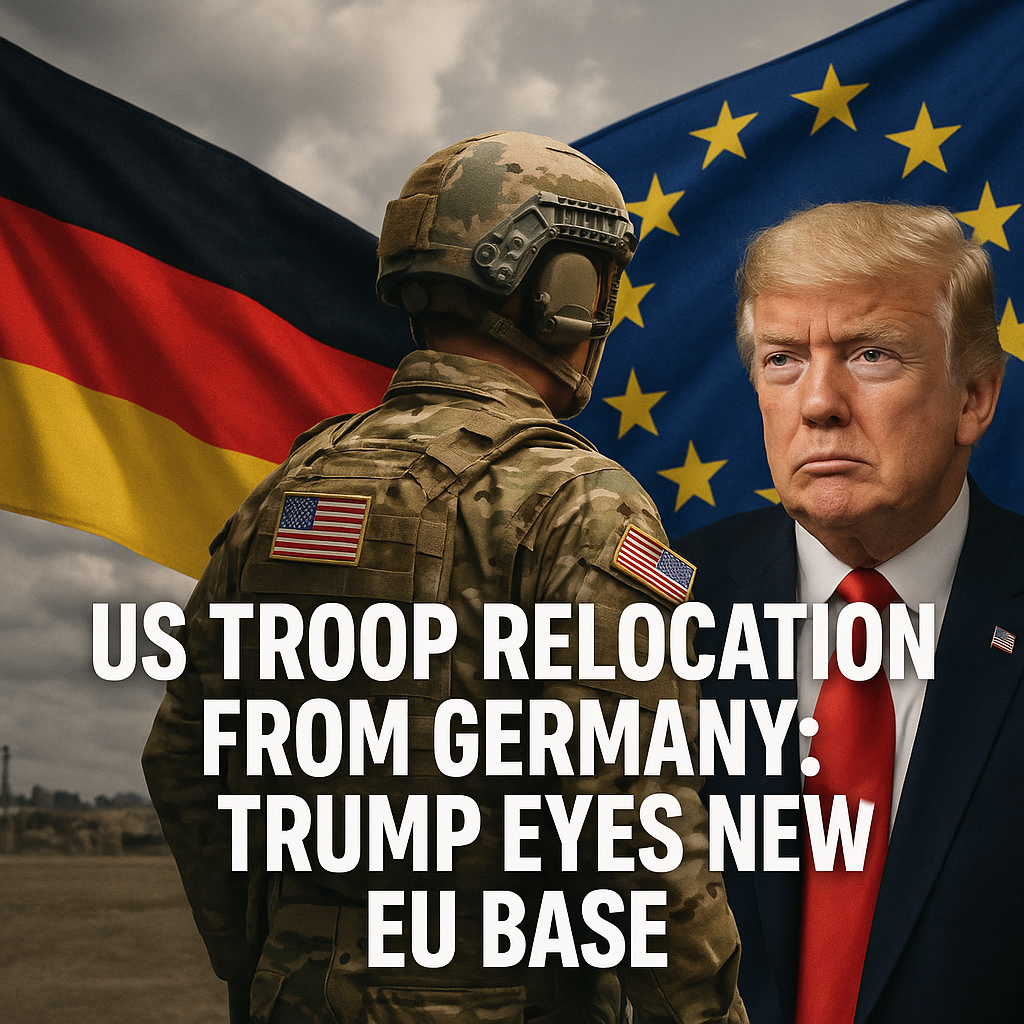
US Troop Relocation from Germany: Trump Eyes New EU Base

US Troop Relocation from Germany: Trump Eyes New EU Base
The recent discussions around the potential relocation of US troops from Germany have reignited debates about military presence in Europe and its implications for transatlantic relations. Former President Donald Trump has expressed interest in establishing a new base in Eastern Europe, particularly in Poland. This move aligns with broader strategic considerations, although opinions on its necessity and effectiveness vary widely.

The Context of US Troop Presence in Europe
The US has maintained a military presence in Germany since World War II, originally as a deterrent against the Soviet Union. In recent years, however, this footprint has faced scrutiny, particularly during Trump’s administration, which prioritized reducing what it deemed excessive military commitments in Europe. Trump’s proposal highlighted a significant shift in thinking about US-European security, emphasizing a more transactional relationship where allies are expected to shoulder greater financial burdens.


Al Jazeera reports that Trump’s plan to relocate 12,000 troops out of Germany was viewed by critics as not only politically charged but also tactically questionable. Detractors argued that moving troops closer to potential conflict zones couldn’t guarantee enhanced security for those regions without proper infrastructural support.


Diverse Perspectives on Troop Relocation
Opinions on troop relocation reflect a spectrum of geopolitical interests. Supporters argue that moving US troops to Poland could strengthen NATO’s eastern flank by providing a more visible deterrent to Russian aggression. The Polish government has welcomed the prospect of hosting US forces, suggesting that increased military presence could bolster regional security.
Conversely, critics warn that such a move might destabilize the delicate balance of power in Europe. The Brookings Institution notes that relocating troops could be perceived as an escalation by Moscow, potentially provoking additional aggressive actions. This perspective argues for a diplomatic approach over a military one, advocating for stronger European Allies’ involvement in security dialogues.
Moreover, a report from RT suggests that Trump’s plans were not just about troop bases but also involved potential economic benefits for Poland, as hosting US military assets could lead to increased investment and job creation in the region.
Implications for NATO and Global Security
The potential relocation of US troops should be examined within the broader context of NATO’s strategic objectives. The alliance has focused on collective defense since its inception, and shifting troop placements can send powerful signals about commitments and alliances. If US forces are repositioned, it might encourage other NATO countries to reconsider their military policies and expenditure levels.
At the same time, some allies express concerns about Trump’s approach, wondering if it might encourage a dangerous precedent of unilateral actions regarding troop movements. Countries with historical apprehensions about Russia, like the Baltic States, have echoed sentiments that any perceived weakening of US commitments could have dire implications for their own security.
Despite the complexities, some experts argue that shifting troop presence should not be viewed solely through a lens of military strategy. The sociopolitical ramifications of such moves—how they affect local populations, economies, and bilateral relationships—must also be factored in. For instance, RT highlights how relocating troops could significantly alter the dynamics of US-Poland relations, possibly leading to a more profound partnership beyond just military interests.
Conclusion: The Path Forward
As the discussion about relocating US troops from Germany to a new base in Poland unfolds, it becomes imperative to weigh the various viewpoints carefully. The proposal brings to light essential questions about the future of NATO, the US’s role in European security, and the balance of power in a shifting geopolitical landscape.
With divided opinions on the relocation’s necessity, it remains uncertain whether this strategy would yield the intended benefits or inadvertently escalate tensions. The intertwined nature of military, political, and economic factors ensures that any decisions made will require careful consideration to navigate the complexities of international relations effectively. As we look towards the horizon of European security, the lessons learned from these discussions could shape alliances and strategies for years to come.