In a heartbreaking escalation of tensions, two U.S. service members lost their lives in a strike believed to be carried out by Iranian forces, sparking urgent conversations about our military presence in the Middle East and the challenges of navigating these complex relationships. As the repercussions unfold, both the U.S. and Iranian perspectives add layers to this already intricate situation.
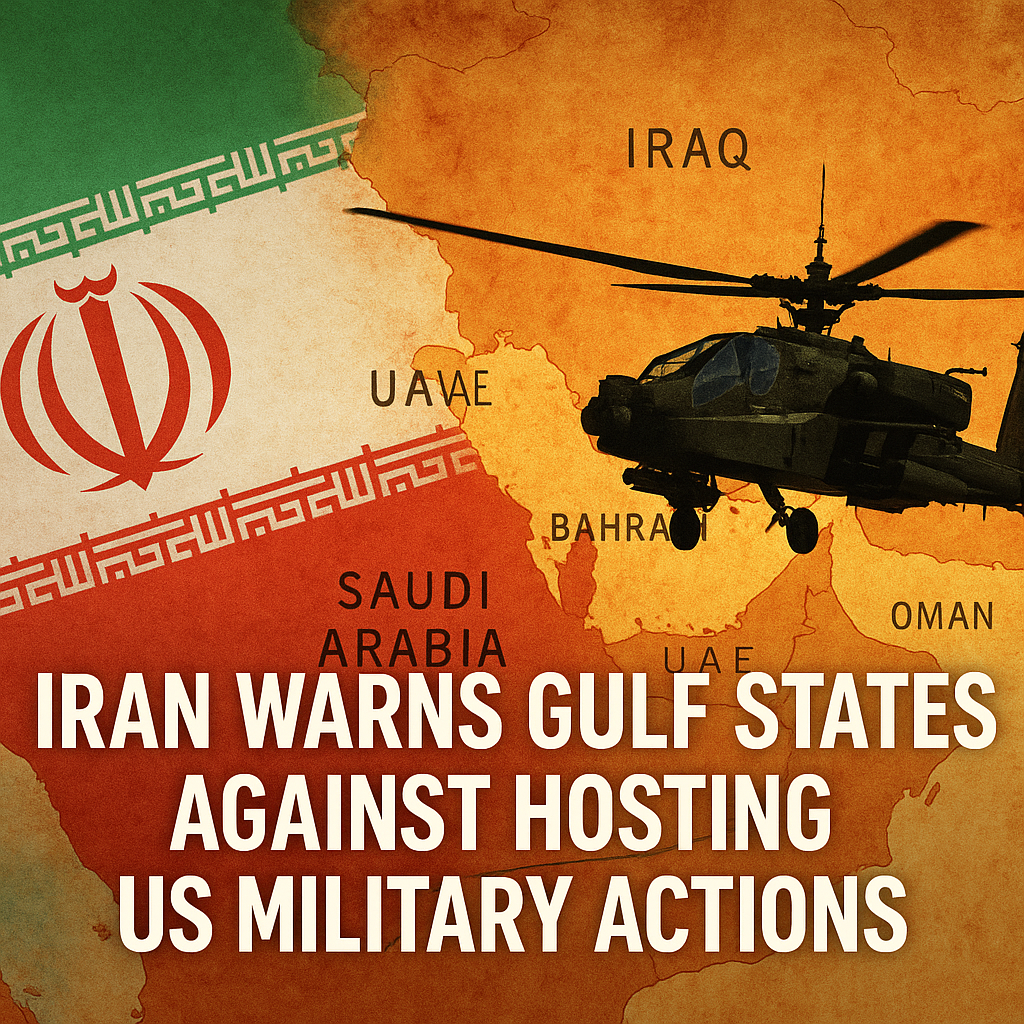
Iran has issued a bold warning to Gulf states, cautioning them against hosting U.S. military actions, asserting that such alliances could unravel the regions stability and lead to unprecedented conflicts. As tensions rise, the Gulf’s diverse responses highlight a complex dance between security partnerships and a desire for diplomatic dialogue.
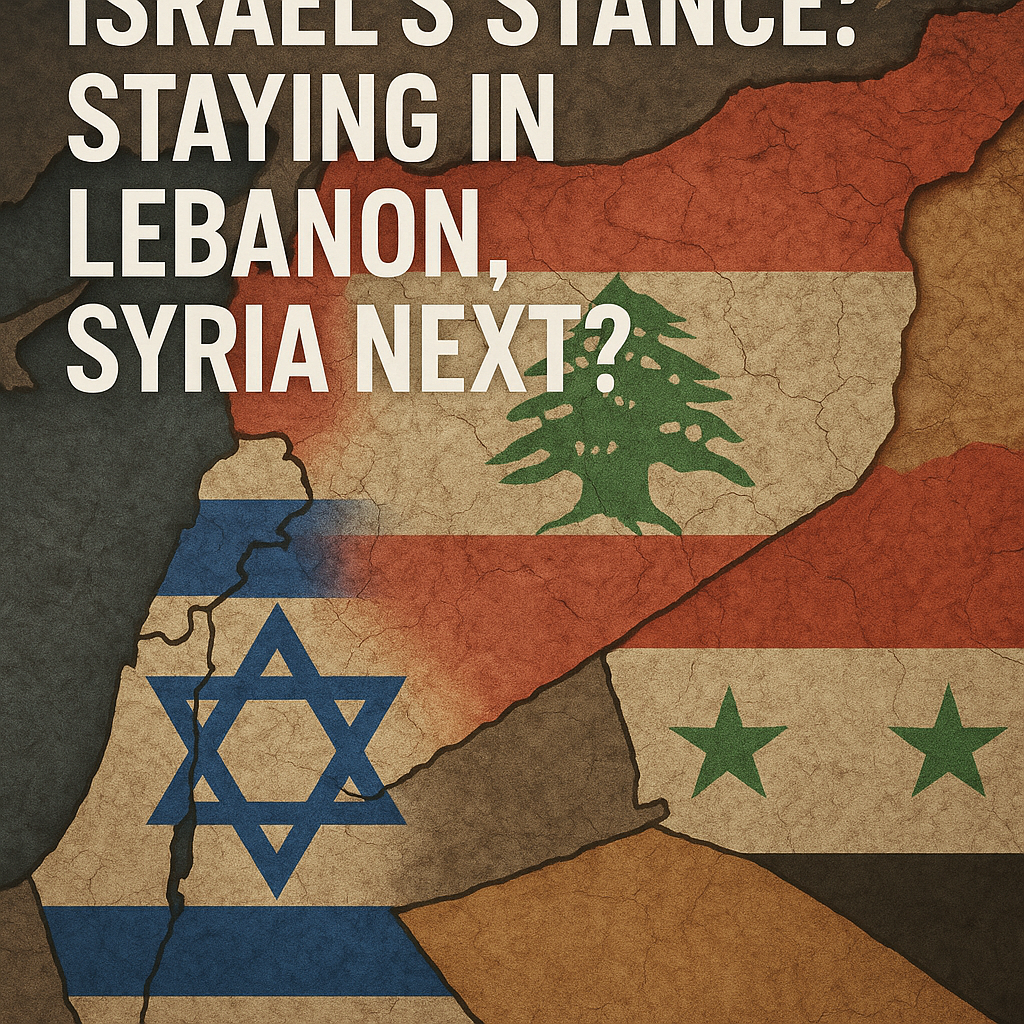
Israels military stance in Lebanon raises crucial questions about regional stability, and whispers of potential involvement in Syria add another layer of complexity. As debates spark within the nation, the conversation about security versus engagement becomes ever more pressing.
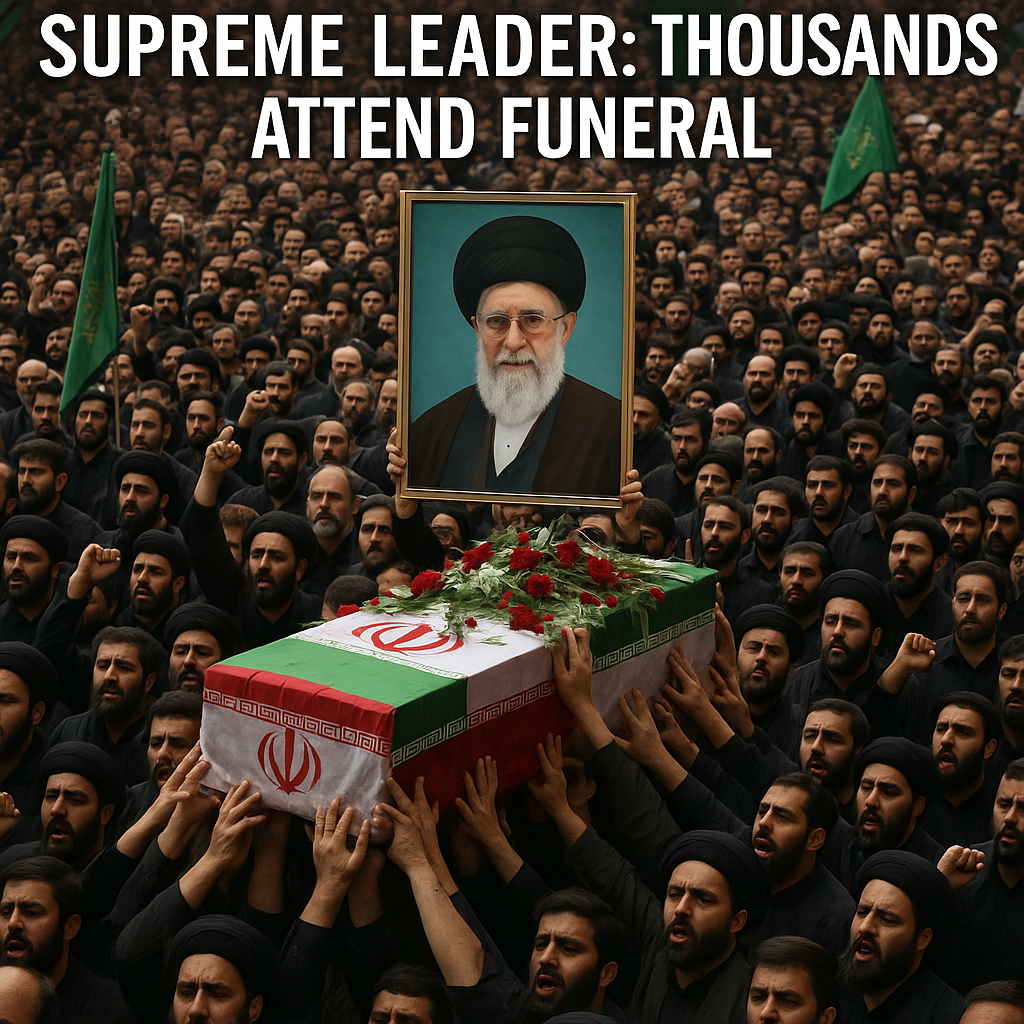
In a powerful display of grief and resilience, thousands flooded the streets of Tehran to honor Irans assassinated Supreme Leader, a poignant reminder of the nations deep-seated political and religious complexities. As banners waved and voices united in defiance, the funeral not only marked a significant loss but also hinted at the shifting sentiments among Irans younger generations yearning for change.
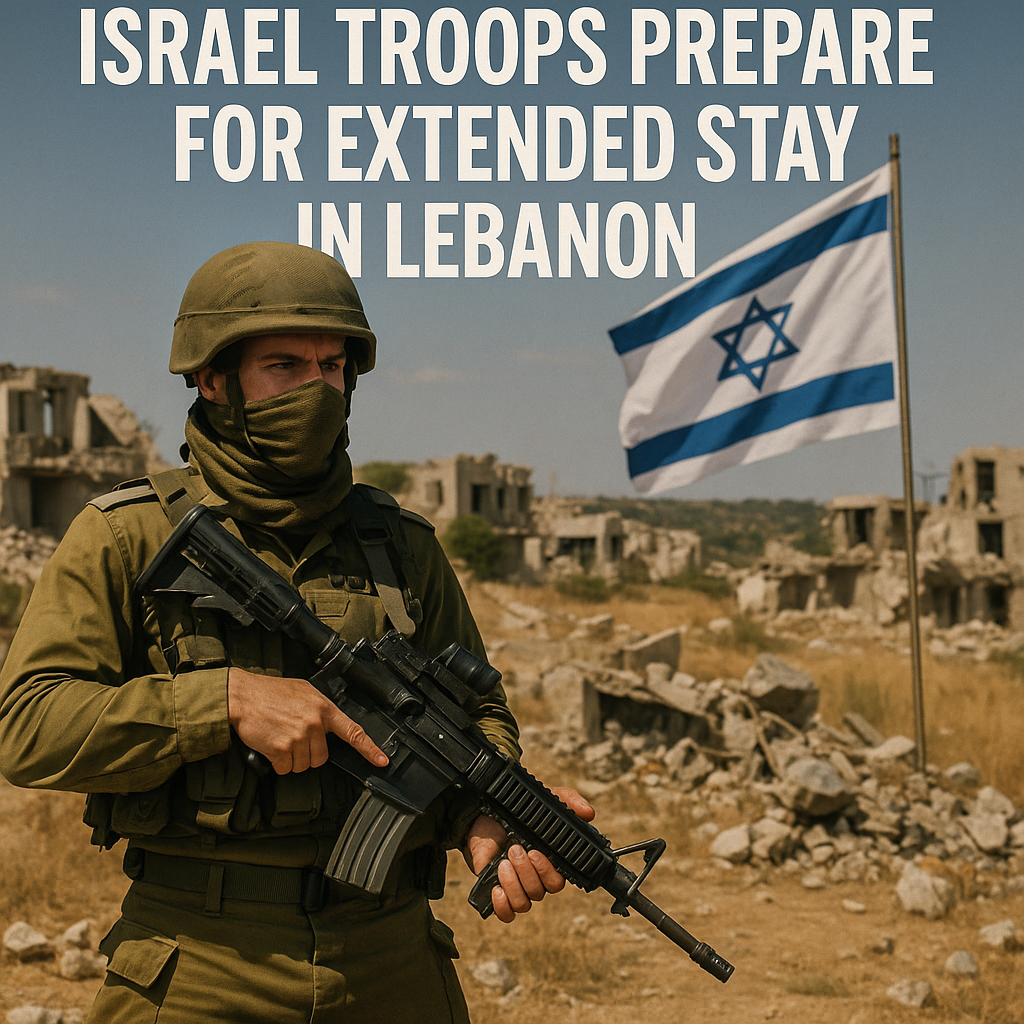
Israel is gearing up for a long-term military presence in Lebanon, raising eyebrows and concerns amid escalating tensions. As the Israeli Defense Forces bolster their readiness, the implications of this move ripple through the region, igniting debates and drawing the attention of global leaders.
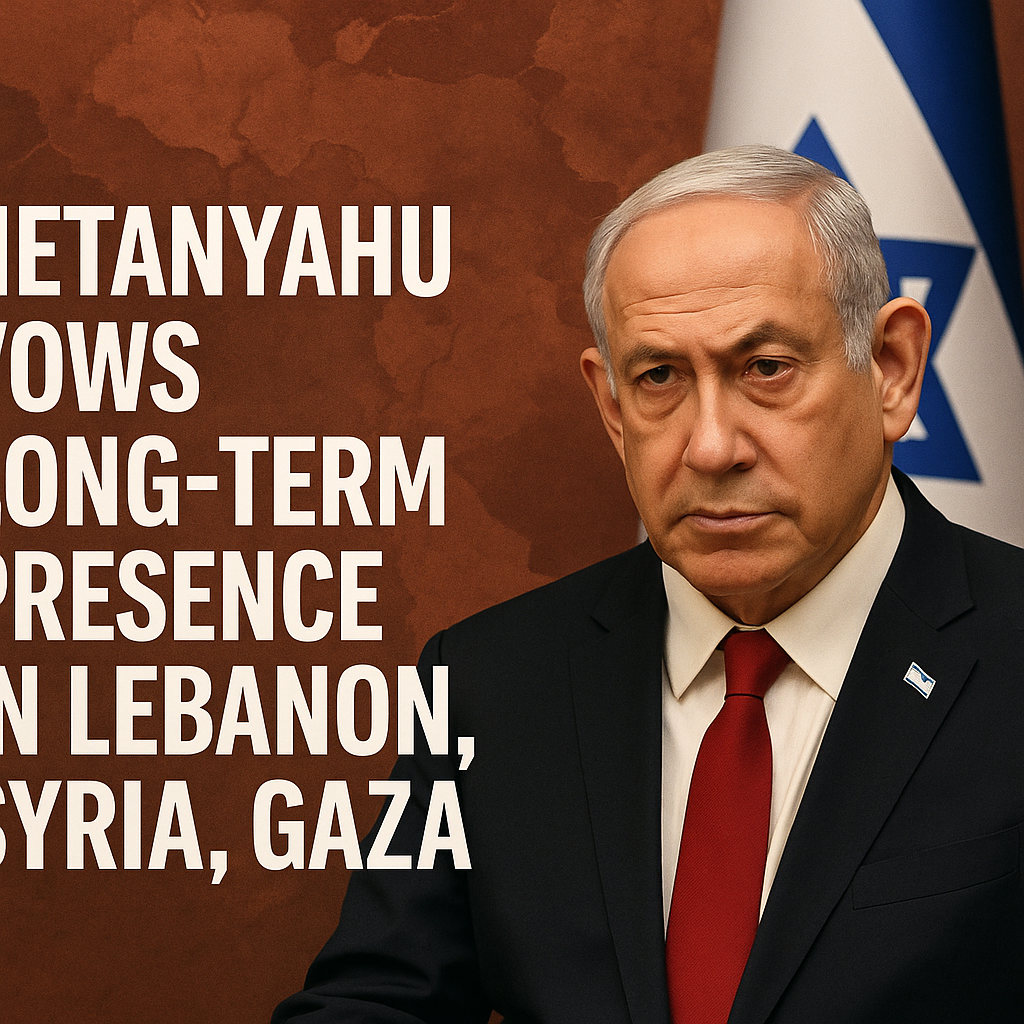
Netanyahu is making bold promises as he pledges a lasting military presence in Lebanon, Syria, and Gaza, highlighting Israels commitment to national security amidst ongoing regional tensions. What does this mean for the future of stability in the Middle East?
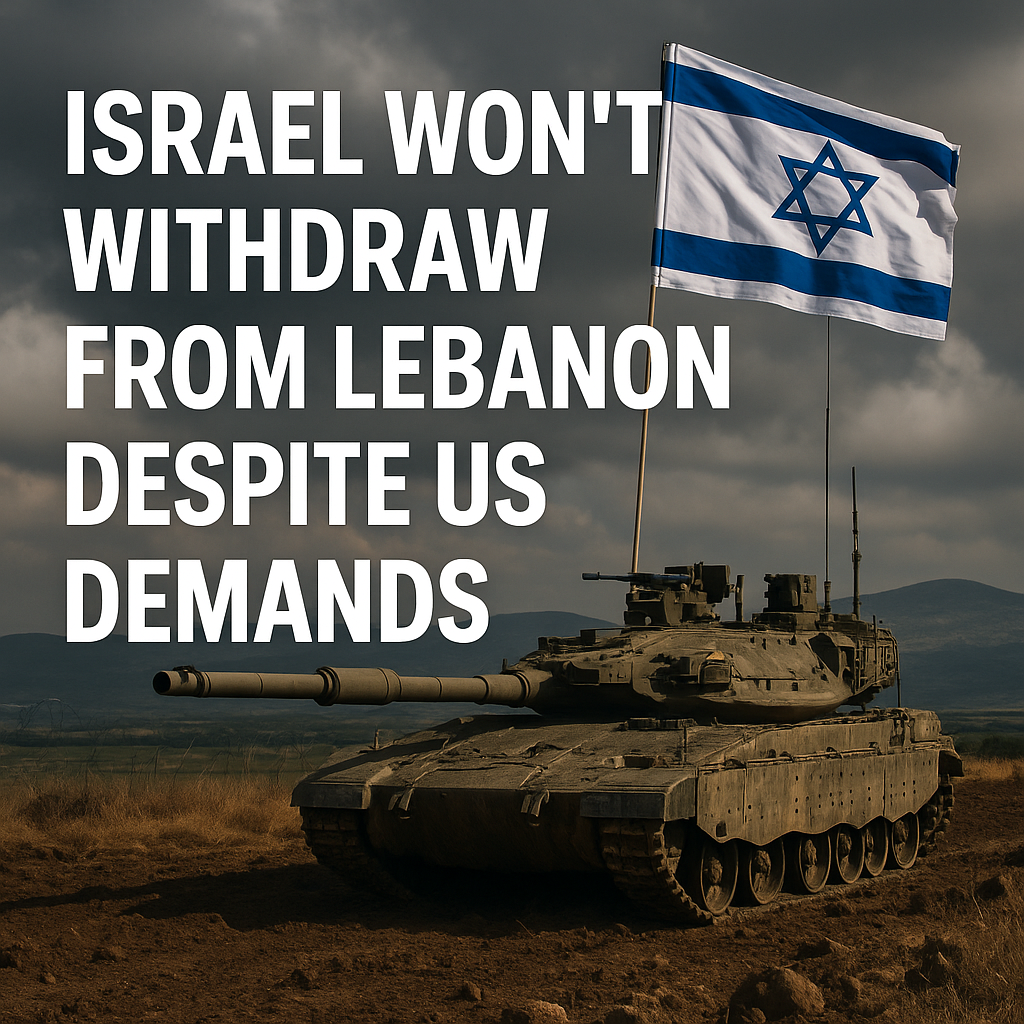
Israels steadfast stance on staying in Lebanon, despite U.S. pleas, reflects deep-rooted security concerns and the complexities of an unstable region—an ongoing struggle where historical grievances and modern threats collide. With tensions high and regional dynamics shifting, this decision raises crucial questions about safety and diplomacy in the Middle East.
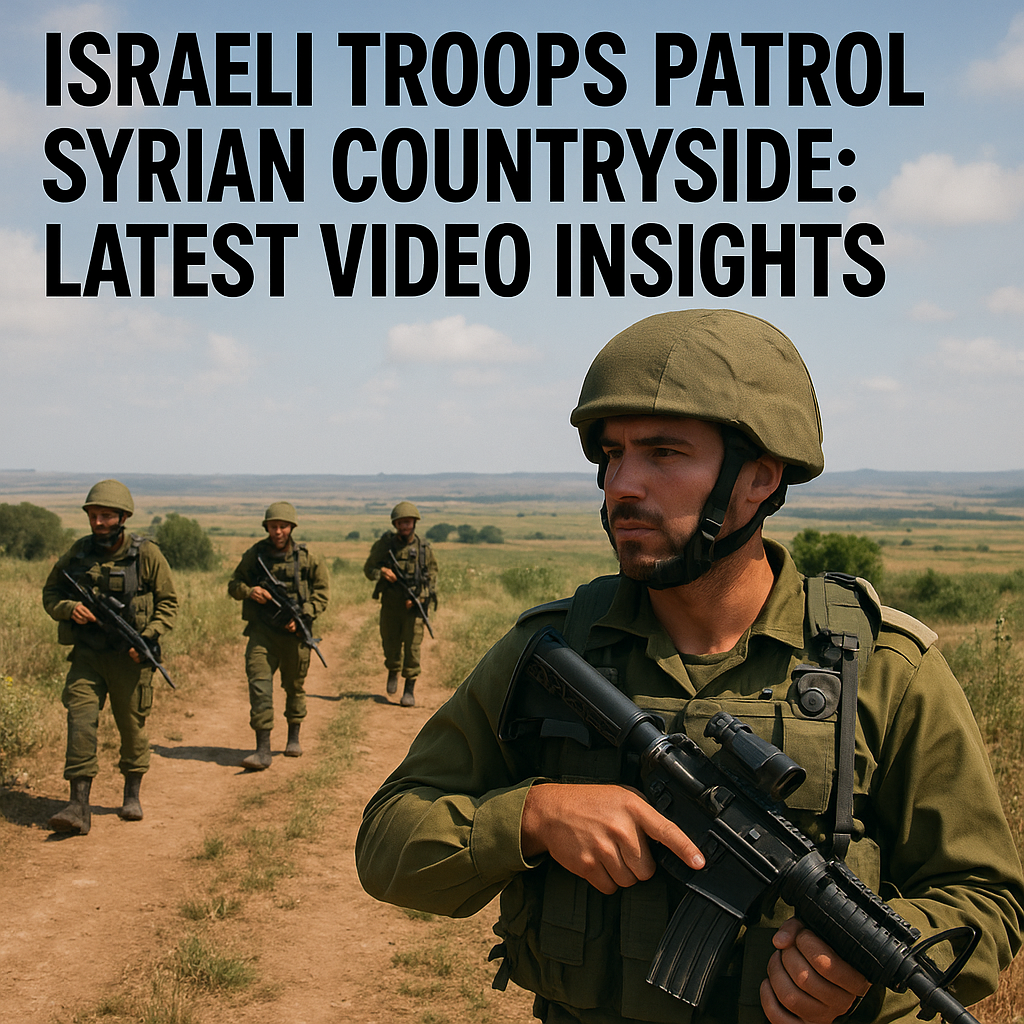
Discover the latest buzz around Israeli troops patrolling the Syrian countryside! This gripping video provides a closer look at the tensions and strategic moves shaping the region—are these defensive actions or something more?
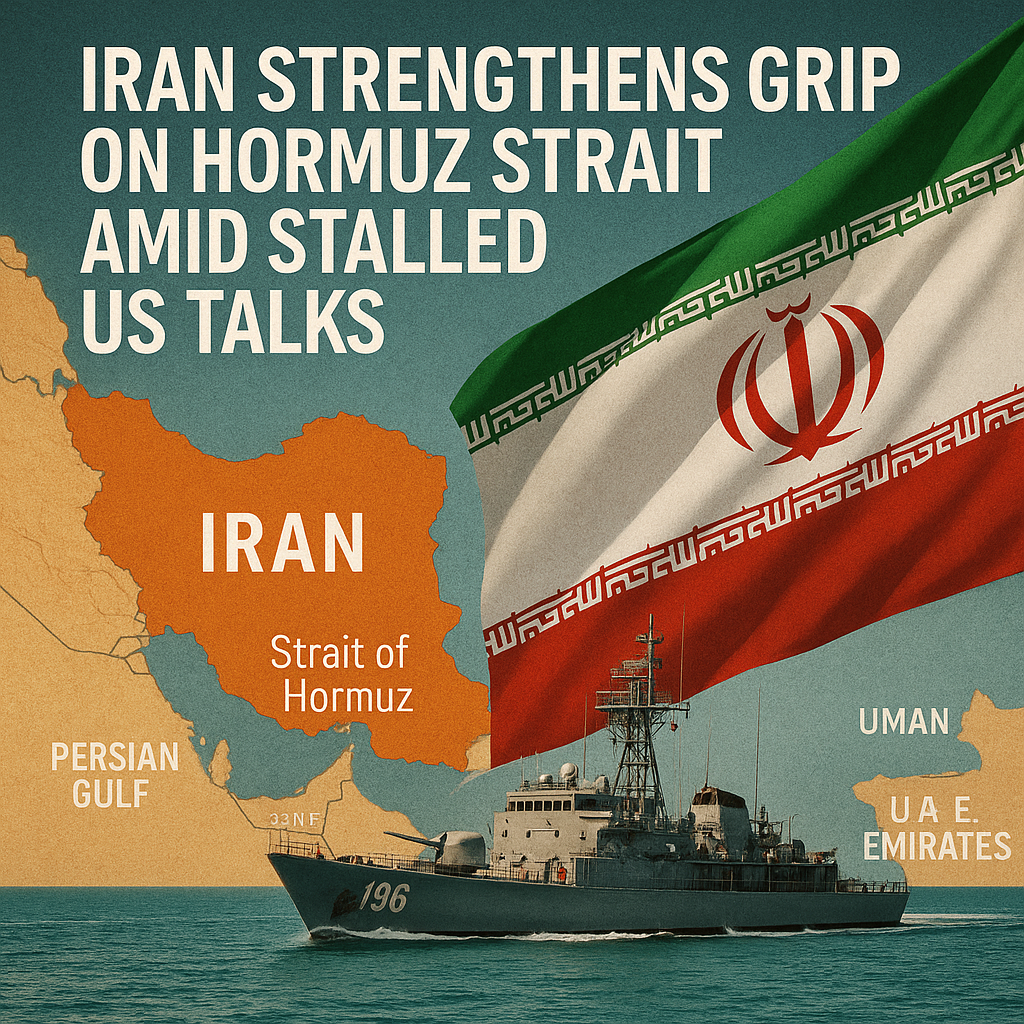
As tensions rise and talks stall, Iran is fortifying its hold on the pivotal Hormuz Strait, a crucial artery for global oil trade, leaving the world watching closely. With each military maneuver, Tehran is signaling its determination to protect its interests—what will this mean for regional stability?
Romania stands at a crucial crossroads as EU and NATO strategies intensify in response to the Russia-Ukraine conflict. With increasing military presence and fervent debates about regional security, the stakes have never been higher—will this be a beacon of deterrence or a catalyst for further turmoil?