
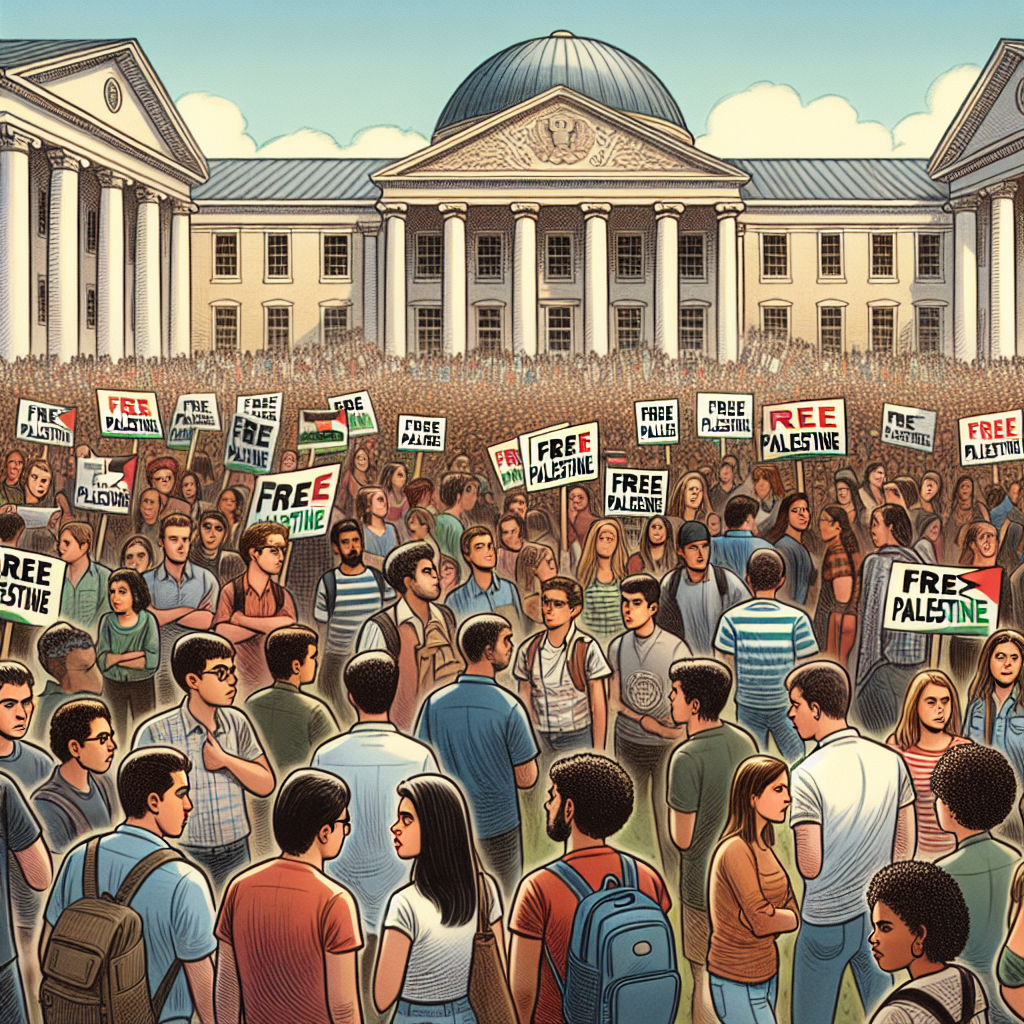
US Universities Impose Sanctions on Pro-Palestine Students

US Universities Impose Sanctions on Pro-Palestine Students
Overview
In recent developments, several US universities have taken disciplinary actions against students involved in pro-Palestine activities. These measures have sparked a nationwide debate on free speech and academic freedom.

Key Actions Taken
- Suspensions and expulsions of students participating in pro-Palestine protests.
- Revocation of scholarships and other financial aids for students involved in activism.
- Implementation of stricter regulations on campus protests and demonstrations.
Reasons Behind the Sanctions
Universities have cited various reasons for imposing these sanctions, including:


- Concerns over campus safety and maintaining a peaceful academic environment.
- Allegations of hate speech and incitement during protests.
- Pressure from donors and external political influences.
Reactions and Controversies
The sanctions have led to a polarized response from different stakeholders:


- Supporters argue that the measures are necessary to prevent violence and ensure safety.
- Critics claim that these actions infringe on students’ rights to free speech and expression.
- Human rights organizations have called for a review of the universities’ policies.
Implications for Academic Freedom
The situation raises significant questions about the balance between maintaining order on campuses and upholding the principles of academic freedom and free speech. The actions taken by universities could set a precedent for how student activism is managed in the future.
Conclusion
The sanctions imposed on pro-Palestine students by US universities highlight a complex intersection of safety, free speech, and political pressure. As the debate continues, it underscores the need for a nuanced approach to handling student activism in academic settings.















