USAID Reductions Heighten Vulnerability in Kenya

USAID Reductions Heighten Vulnerability in Kenya
Overview of USAID Funding Cuts
The United States Agency for International Development (USAID) has announced significant reductions in its financial aid to Kenya. This decision is poised to impact various sectors, particularly those reliant on foreign assistance for development and humanitarian efforts.

Key Areas Affected
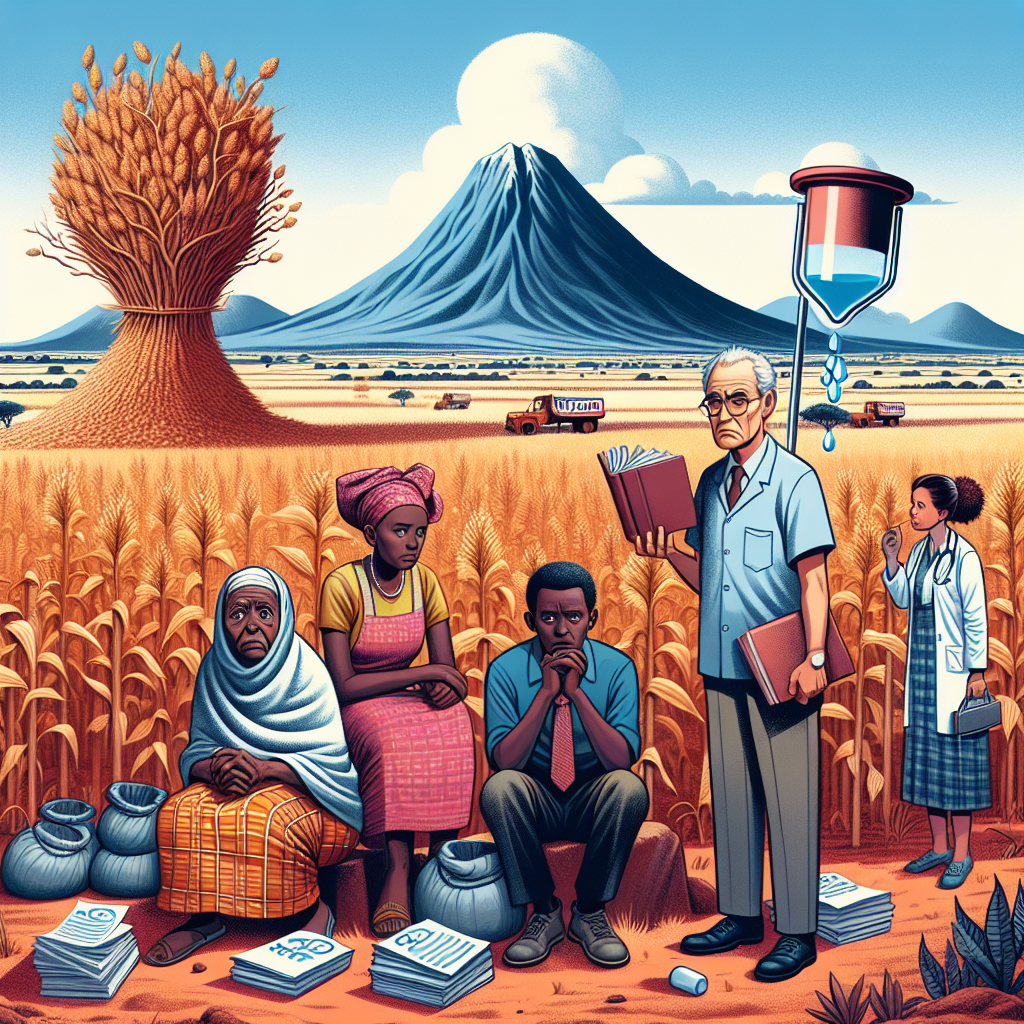
- Healthcare: Reduced funding may lead to shortages in medical supplies and hinder ongoing health programs, including those targeting HIV/AIDS and maternal health.
- Food Security: Cuts could exacerbate food insecurity, affecting vulnerable populations who depend on aid for sustenance.
- Education: Educational initiatives, especially in rural areas, may face setbacks due to decreased financial support.
Implications for Vulnerable Populations
The reduction in aid is expected to heighten the vulnerability of already at-risk groups in Kenya. Communities that rely heavily on international assistance for basic needs and development projects may experience increased hardship.


Response from Kenyan Authorities
Kenyan officials have expressed concern over the potential negative impacts of the funding cuts. They are urging for alternative solutions and increased collaboration with other international partners to mitigate the effects.


Conclusion
The USAID funding reductions present significant challenges for Kenya, particularly in critical sectors like healthcare, food security, and education. The move underscores the need for strategic planning and diversification of funding sources to ensure the resilience and sustainability of essential services for vulnerable populations.