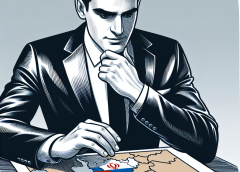
Vladimir Putin Accuses YouTube of Causing Internet Slowdowns in Russia

Vladimir Putin Accuses YouTube of Causing Internet Slowdowns in Russia
Overview of the Accusation
Russian President Vladimir Putin has publicly accused YouTube of being responsible for internet slowdowns across Russia. This claim comes amidst ongoing tensions between the Russian government and Western tech companies, highlighting the complex dynamics of digital control and information dissemination in the country.

Key Points of the Accusation
- Internet Performance Issues: Putin alleges that YouTube’s operations are causing significant disruptions in internet speed and performance within Russia.
- Geopolitical Context: The accusation is part of a broader narrative where Russia is increasingly scrutinizing and regulating foreign tech platforms.
- Impact on Users: Russian internet users have reportedly experienced slower internet speeds, which the government attributes to YouTube’s data-heavy services.
Responses and Reactions
The accusation has sparked varied reactions from different stakeholders:


- YouTube’s Stance: As of now, YouTube has not issued a formal response to Putin’s claims, but the platform continues to operate in Russia.
- Public Opinion: Russian citizens and tech experts are divided, with some supporting the government’s stance and others questioning the validity of the claims.
- International Observers: Analysts outside Russia view this as part of a larger strategy to exert control over digital information and limit foreign influence.
Potential Implications
The accusation against YouTube could have several implications for both Russia and the global tech landscape:


- Increased Regulation: Russia may impose stricter regulations on YouTube and other foreign tech companies, potentially leading to further internet restrictions.
- Tech Industry Impact: The ongoing tension could affect the operations of other tech giants in Russia, influencing their strategies and market presence.
- Global Digital Policies: This situation may prompt discussions on digital sovereignty and the balance between national security and global connectivity.
Conclusion
Vladimir Putin’s accusation against YouTube underscores the ongoing friction between Russia and Western tech companies. As the situation develops, it could lead to significant changes in how digital platforms operate within Russia and influence global discussions on internet governance and digital sovereignty.