
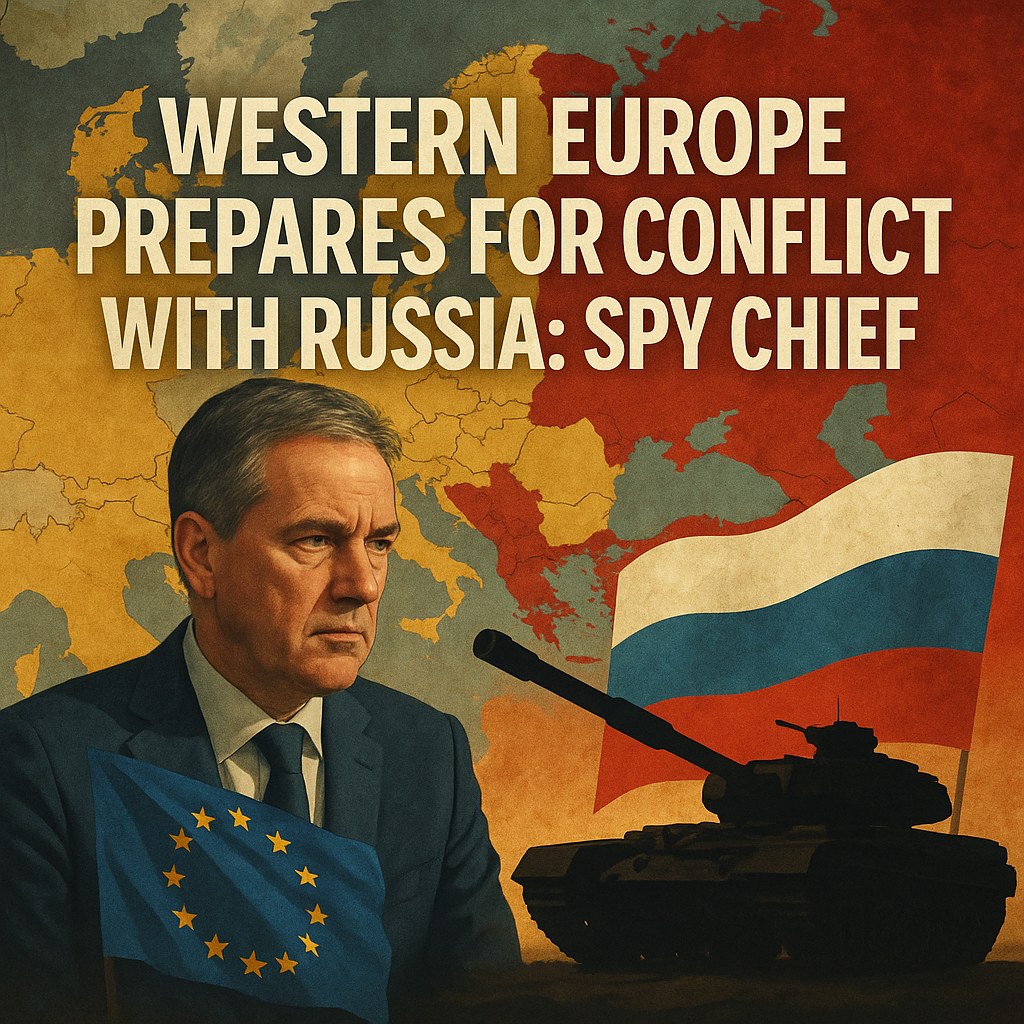
Western Europe Prepares for Conflict with Russia: Spy Chief

Western Europe Prepares for Conflict with Russia: Insights from Intelligence Leaders
As tensions escalate between Western Europe and Russia, particularly in light of recent comments from key intelligence officials, the geopolitical landscape is rapidly shifting. In a recent statement, Russia’s chief spy chief Sergei Naryshkin warned of the growing potential for conflict, casting a shadow over Europe’s security strategy as nations grapple with the implications of these developments.

Escalating Tensions and Strategic Responses
The backdrop to Naryshkin’s stark warning encompasses a complex array of diplomatic strains and military posturing. Analysts suggest that the Ukraine conflict has ushered in a paradigm shift in how Western nations perceive their relationship with Russia. The acceleration of military support for Ukraine by NATO and EU member states indicates a commitment to countering Russian aggression. According to multiple sources, including Sky News, the alliance’s commitment to bolstering military readiness has become increasingly apparent, with troop deployments and advanced weaponry being sent to Eastern European allies.


Diplomatic Rhetoric: A Double-Edged Sword
While military preparedness remains crucial, diplomatic discussions have not fully dissipated. A report from Al Jazeera highlights ongoing dialogues among European leaders on how best to engage—or disengage—from Russia. The profound challenge lies in balancing assertive military posturing with the desire to maintain channels of communication. This dynamic reflects a broader trend where Western Europe appears caught between deterrence and dialogue.


– Pros of Military Readiness:
– Dissuades potential Russian aggression
– Reinforces alliances within NATO and the EU
– Enhances the defensive posture of member states
– Cons of Escalating Military Tensions:
– Risks provoking further retaliatory actions from Russia
– May stunt potential avenues for resolution through negotiation
– Generates instability in regional security dynamics
The Divide in Perspectives
While some argue for continued military engagement and preparedness, there remains a significant faction advocating for more diplomatic approaches. Different member states exhibit varied levels of comfort concerning confrontation with Russia. Countries in Eastern Europe, particularly those bordering Russia, tend to support aggressive posturing by NATO, fearing the repercussions of inaction. Conversely, Western European nations like France and Germany exhibit hesitance, driven by economic ties and historical caution.
Key Diverging Views
– Eastern European Leaders: Many leaders in this region advocate for a robust military response, emphasizing the need to visibly counteract Russian maneuvers. Their argument hinges on the notion that any perceived weakness could embolden further aggression from Moscow.
– Western European Leaders: In contrast, some Western leaders stress the importance of diplomatic solutions alongside military readiness. They caution against letting military responses dominate the discourse, warning that this could entrench divisions and complicate any future negotiations.
Conclusion: A Precarious Balance
The complex dynamics of Western Europe’s response to potential conflict with Russia showcase a landscape fraught with challenges. While military readiness is a focal point, the potential for dialogue remains a critical aspect of a comprehensive strategy. As Naryshkin’s comments underscore the rising specter of conflict, Western European nations must navigate the precarious balance between defense and diplomacy.
Fostering a unified approach will require conciliatory efforts from both blocs, acknowledging the differing perspectives and security needs of all member states. The path forward remains fraught with uncertainties, but a collaborative, nuanced approach appears essential if peace is to be maintained in a rapidly evolving geopolitical climate.















