
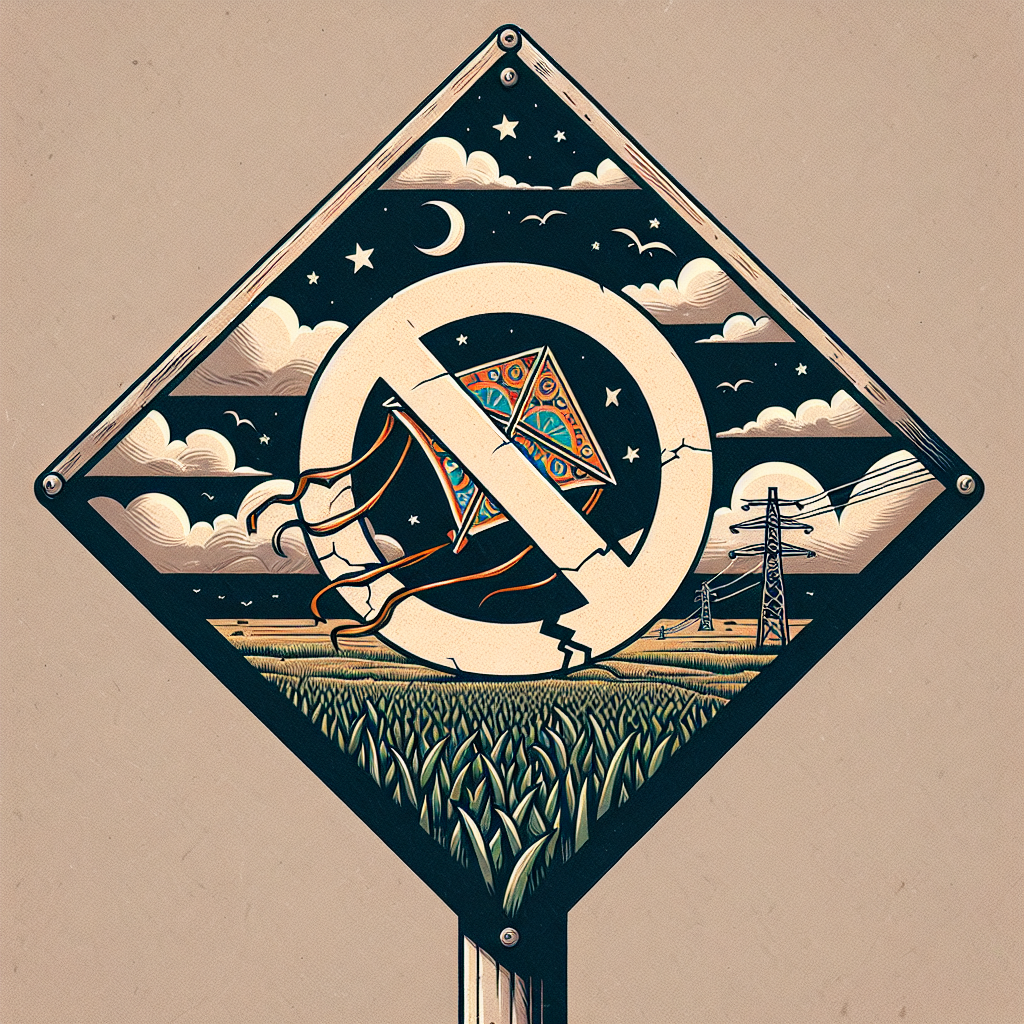
Why Did Punjab Province in Pakistan Completely Ban Kite Flying?

Why Did Punjab Province in Pakistan Completely Ban Kite Flying?
Introduction
The vibrant tradition of kite flying, once a cherished cultural activity in Punjab, Pakistan, has been completely banned by the provincial government. This decision has sparked widespread debate and concern among the public and cultural enthusiasts. Understanding the reasons behind this ban provides insight into the complex interplay of safety, culture, and governance.

Key Reasons for the Ban
- Public Safety Concerns: The primary reason for the ban is the significant risk to public safety. Kite flying often involves the use of sharp, metallic strings, which have led to numerous injuries and fatalities.
- Infrastructure Damage: Kite strings can cause damage to power lines and other infrastructure, leading to power outages and costly repairs.
- Legal and Regulatory Challenges: Despite previous regulations to control the activity, enforcement has been challenging, prompting a complete ban as a more effective solution.
Cultural Impact
The ban has had a profound impact on the cultural landscape of Punjab. Kite flying is not just a pastime but a significant cultural event, especially during the Basant festival. The prohibition has led to a loss of cultural heritage and has been met with resistance from those who view it as an integral part of their identity.


Public Reaction
- Support for the Ban: Many support the ban, citing the need to prioritize safety and prevent further accidents.
- Opposition and Criticism: Critics argue that the ban is an overreach and that better regulation, rather than prohibition, could address safety concerns while preserving cultural practices.
Conclusion
The complete ban on kite flying in Punjab, Pakistan, underscores the challenges of balancing cultural traditions with public safety and infrastructure protection. While the decision aims to prevent accidents and damage, it also highlights the need for innovative solutions that can preserve cultural heritage while ensuring public safety. The debate continues as stakeholders seek a path forward that respects both safety and tradition.

















