
Why is Greenland Considered the Arctic’s Crown Jewel?

Why is Greenland Considered the Arctic’s Crown Jewel?
Introduction to Greenland’s Unique Status
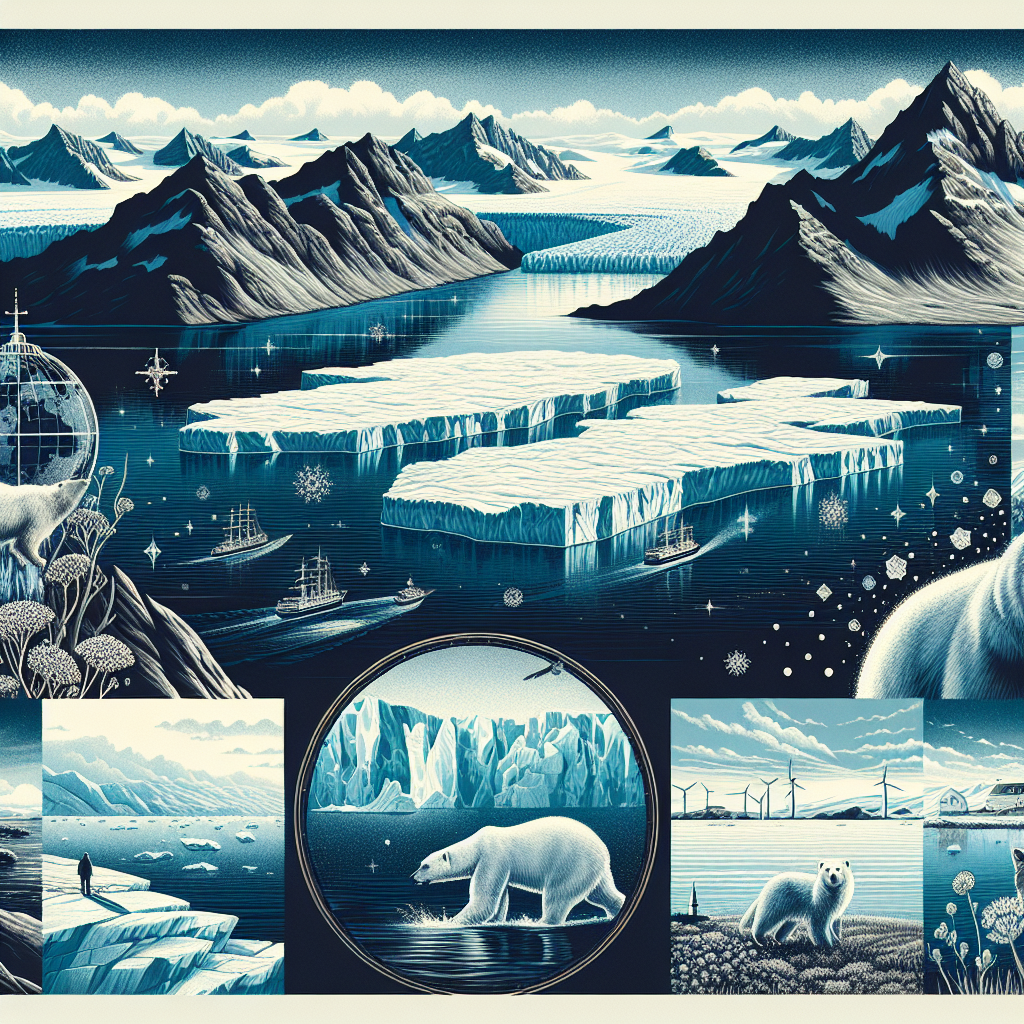
Greenland, the world’s largest island, is often referred to as the Arctic’s crown jewel due to its unique geographical, environmental, and geopolitical significance. This title is not just a nod to its vast icy landscapes but also to its critical role in global climate dynamics and its rich natural resources.

Geographical Significance
Greenland’s location and size make it a pivotal player in the Arctic region. Its massive ice sheet, which covers about 80% of the island, is a crucial component of the Earth’s climate system.


- Greenland’s ice sheet is the second largest in the world, after Antarctica.
- The island’s strategic position between the Arctic and Atlantic Oceans makes it a key area for scientific research and monitoring climate change.
Environmental Importance
The environmental significance of Greenland cannot be overstated. Its ice sheet plays a vital role in regulating global sea levels and climate patterns.


- Melting ice from Greenland contributes significantly to rising sea levels worldwide.
- The island’s unique ecosystems are home to diverse wildlife, including polar bears and seals.
Geopolitical and Economic Potential
Beyond its environmental importance, Greenland holds substantial geopolitical and economic potential. Its vast natural resources are increasingly attracting global interest.
- Greenland is rich in minerals such as rare earth elements, which are crucial for modern technology.
- The melting ice is opening new shipping routes, enhancing its strategic importance.
Conclusion
Greenland’s status as the Arctic’s crown jewel is well-deserved, given its critical role in global climate regulation, its rich biodiversity, and its untapped economic potential. As climate change continues to reshape the Arctic, Greenland’s importance on the world stage is only set to grow.















