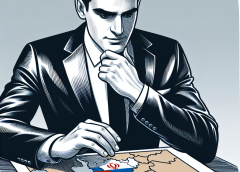
Yunus of Bangladesh Meets Soros’ Son Amidst Trump’s Foreign Aid Freeze

Yunus of Bangladesh Meets Soros’ Son Amidst Trump’s Foreign Aid Freeze
Background
In a significant development amidst global political tensions, Nobel laureate Muhammad Yunus of Bangladesh has met with Alexander Soros, the son of billionaire philanthropist George Soros. This meeting comes at a time when the Trump administration has imposed a freeze on foreign aid, raising concerns about the impact on international development efforts.

Key Highlights
- Yunus’ Influence: Muhammad Yunus, known for his pioneering work in microfinance, continues to be a pivotal figure in global economic development.
- Soros’ Legacy: The Soros family, through their Open Society Foundations, has been instrumental in supporting democratic governance and human rights worldwide.
- Foreign Aid Freeze: The Trump administration’s decision to halt foreign aid has sparked debates on its implications for global partnerships and humanitarian efforts.
Meeting Objectives
The meeting between Yunus and Alexander Soros aimed to explore collaborative opportunities to mitigate the adverse effects of the aid freeze. Discussions likely focused on:


- Strengthening grassroots economic initiatives.
- Enhancing support for sustainable development projects.
- Fostering resilience in communities affected by the aid suspension.
Potential Implications
This meeting could signal a strategic alliance between influential figures in the philanthropic and economic development sectors. Potential outcomes include:


- Increased private sector involvement in development projects.
- New funding channels for initiatives previously reliant on U.S. aid.
- Heightened global attention on the importance of sustained international cooperation.
Conclusion
The meeting between Muhammad Yunus and Alexander Soros underscores the critical need for innovative solutions in the face of geopolitical challenges. As the world navigates the complexities of reduced foreign aid, collaborations like this could pave the way for more resilient and self-sustaining development models.