
In the heart of Lebanons turmoil, Hezbollah’s backing of the Iranian ambassador shines a light on the tangled web of regional alliances, raising questions about its impact on the countrys quest for stability. As political dissent simmers, this move not only cements Hezbollahs ties to Iran but also challenges the very fabric of Lebanon’s national identity.
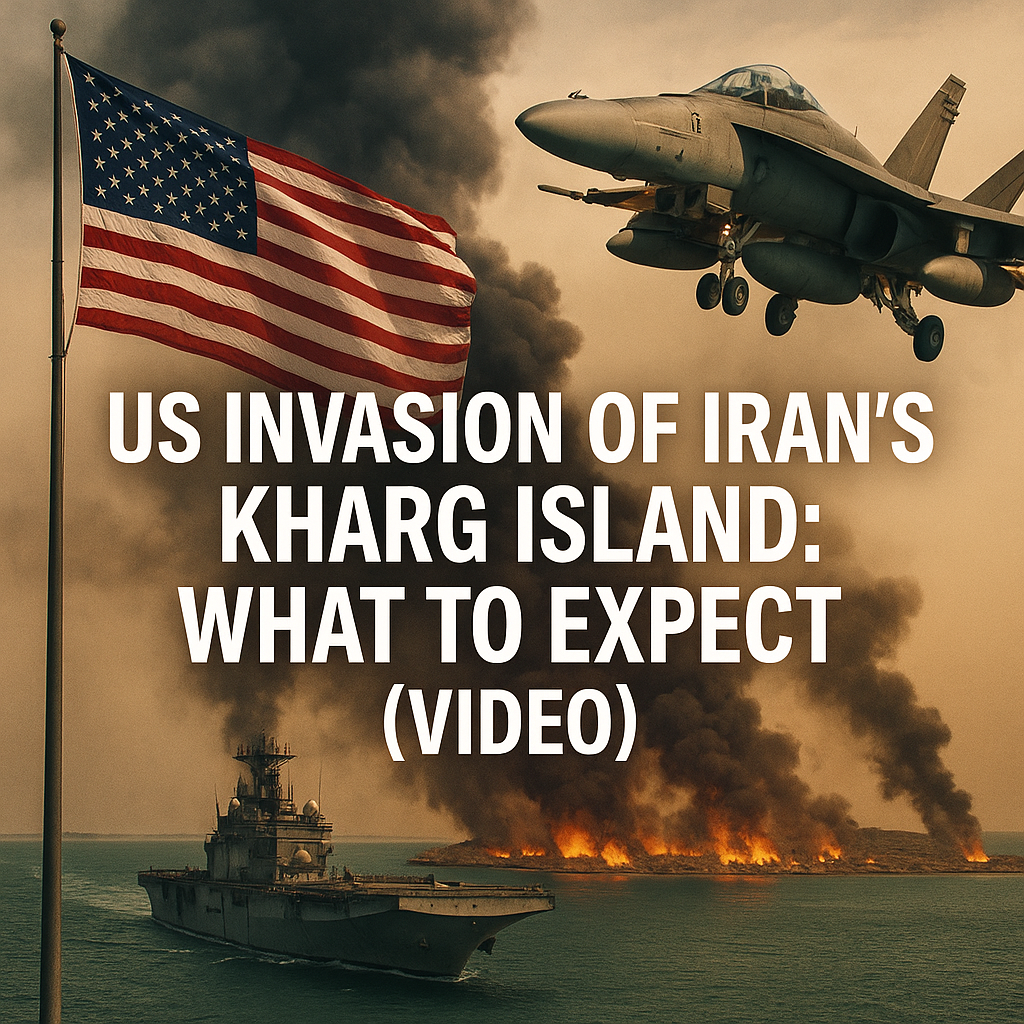
As tensions escalate in the Middle East, the potential US invasion of Irans strategically vital Kharg Island could reshape the entire geopolitical landscape—discover what experts are saying and what the stakes really are!
Irans Foreign Minister has confirmed communication with the US, but emphasizes there are no formal talks underway—sparking intrigue about what this means for future diplomacy amid rising tensions and nuclear concerns.
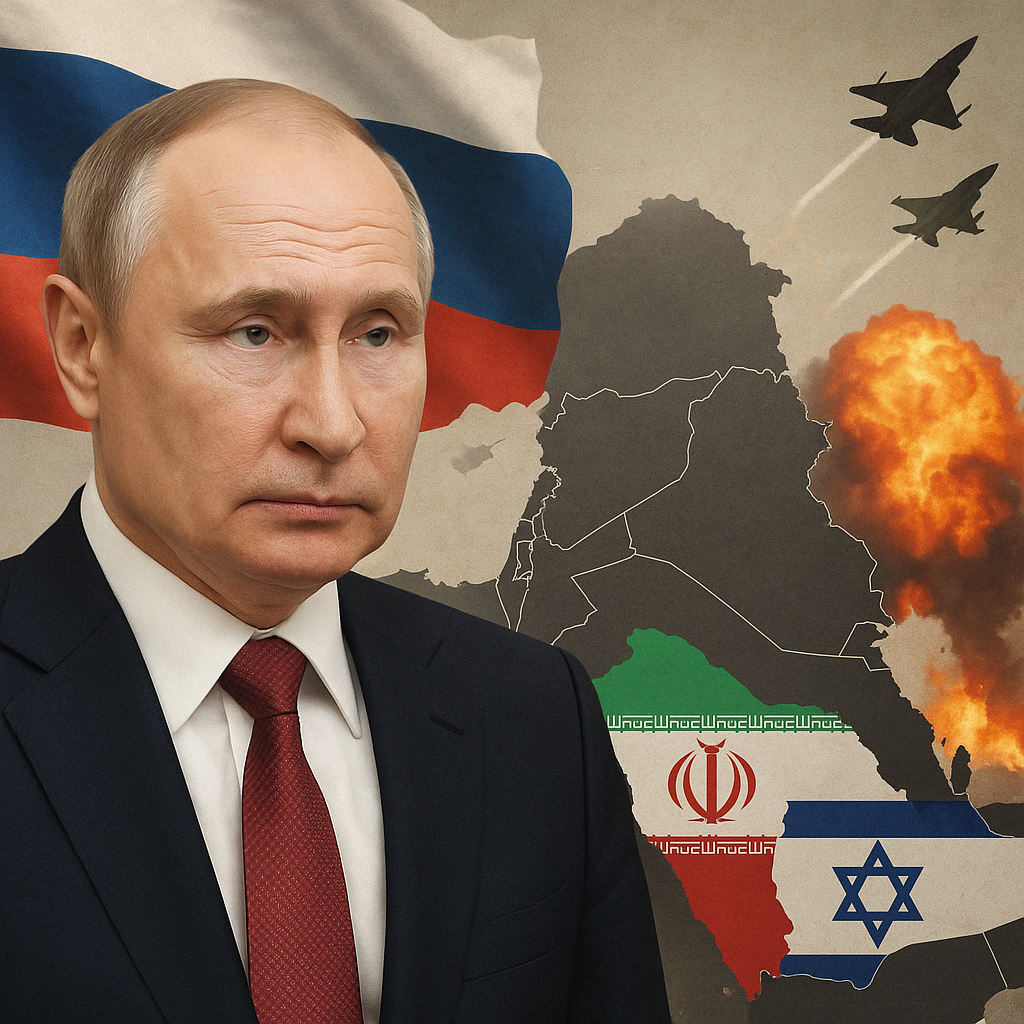
As tensions flare in the Middle East, President Putin is seizing the moment to elevate Russias diplomatic clout, forging stronger ties with regional powers like Iran and Syria in a bid to counter US and Israeli actions. This strategic pivot not only reshapes alliances but also raises questions about the future of peace in a rapidly changing geopolitical landscape.
In a bold move reflecting escalating tensions, Russia has announced it will no longer sell oil to countries backing the controversial price cap—shaking up the global energy landscape and fueling debates on its potential economic fallout. With this decision, the chess match between Russia and the West takes a decisive turn, raising questions about energy security and market stability.
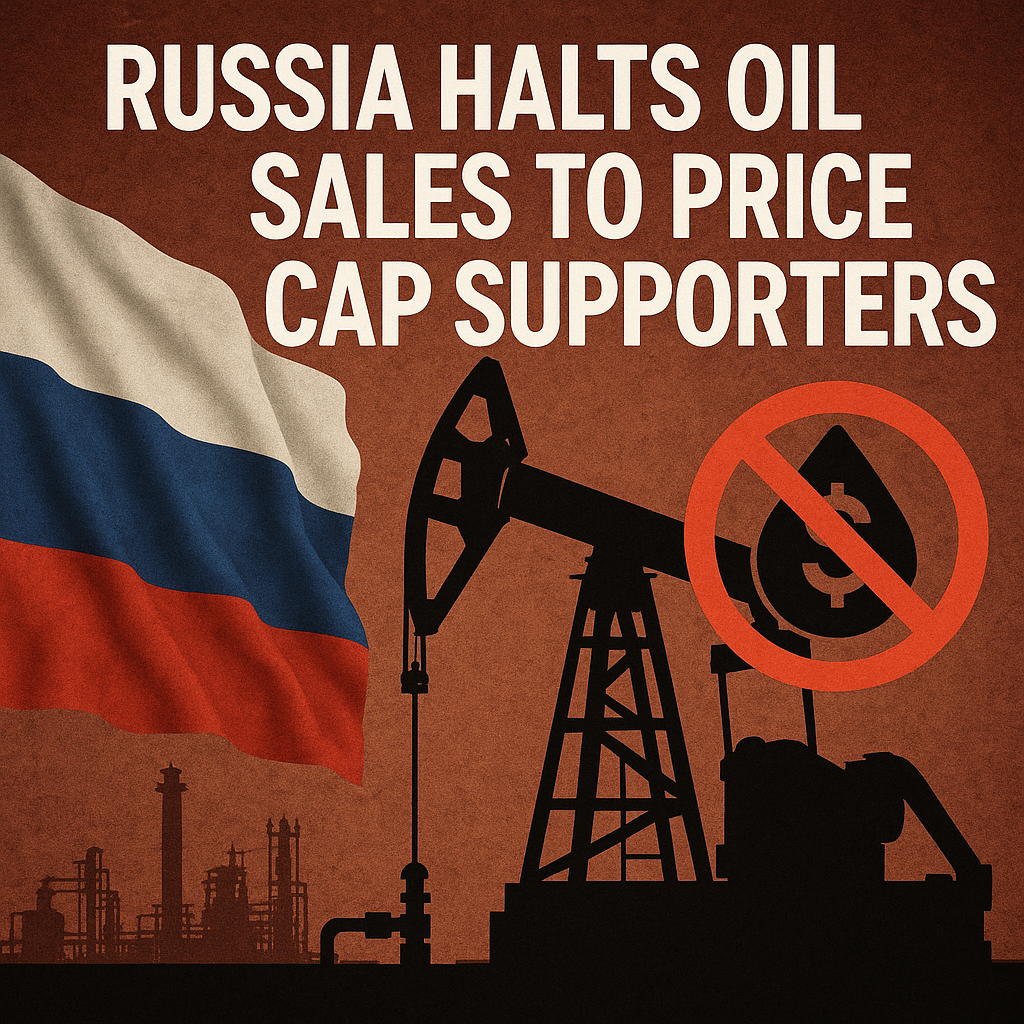
In a bold turn of events, Russia has cut off oil sales to nations backing the price cap strategy, stirring the pot in global energy politics. This move not only challenges Western sanctions but also spotlights the ongoing tug-of-war in the backdrop of the Ukraine conflict.
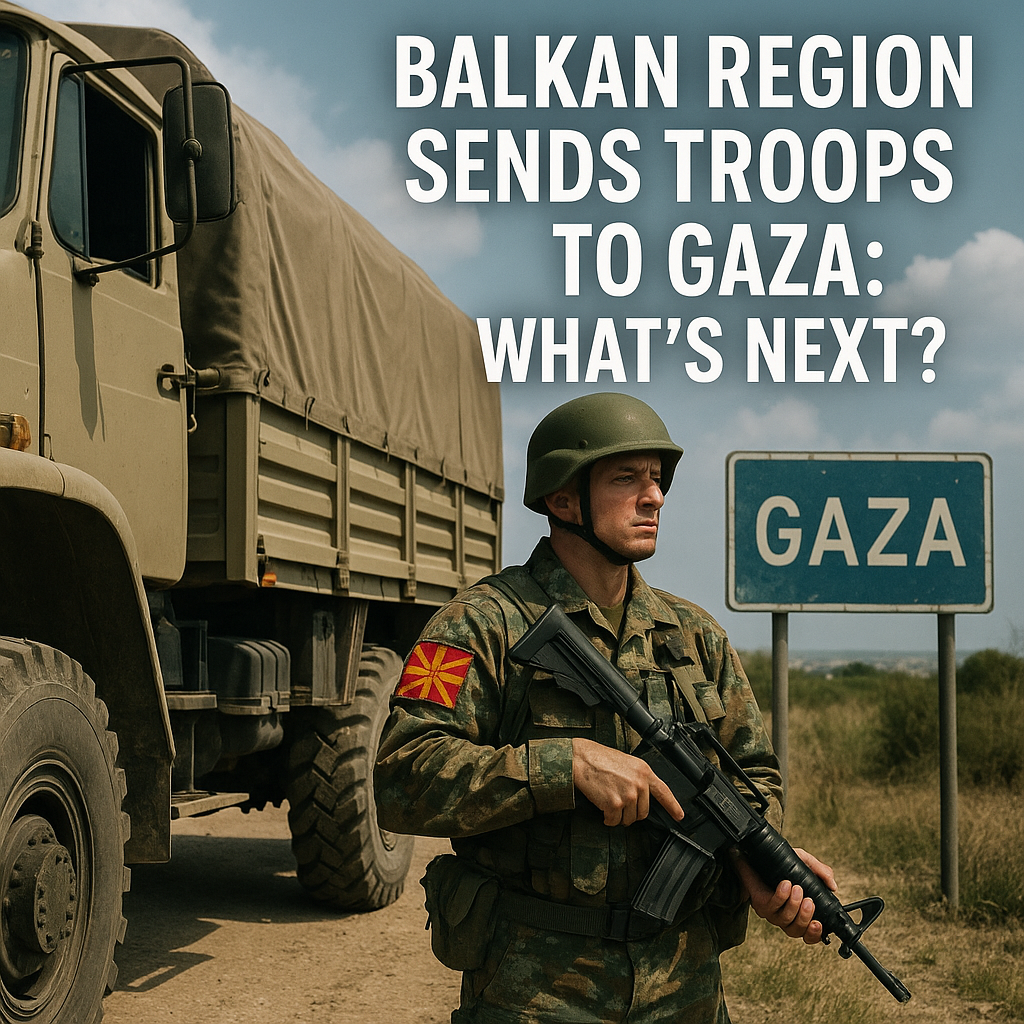
As the Balkan region steps up by sending troops to Gaza, the world watches closely—will this bold move foster stability or fuel further tensions? Discover the layers of this critical decision and what it means for international relations and peacekeeping efforts.
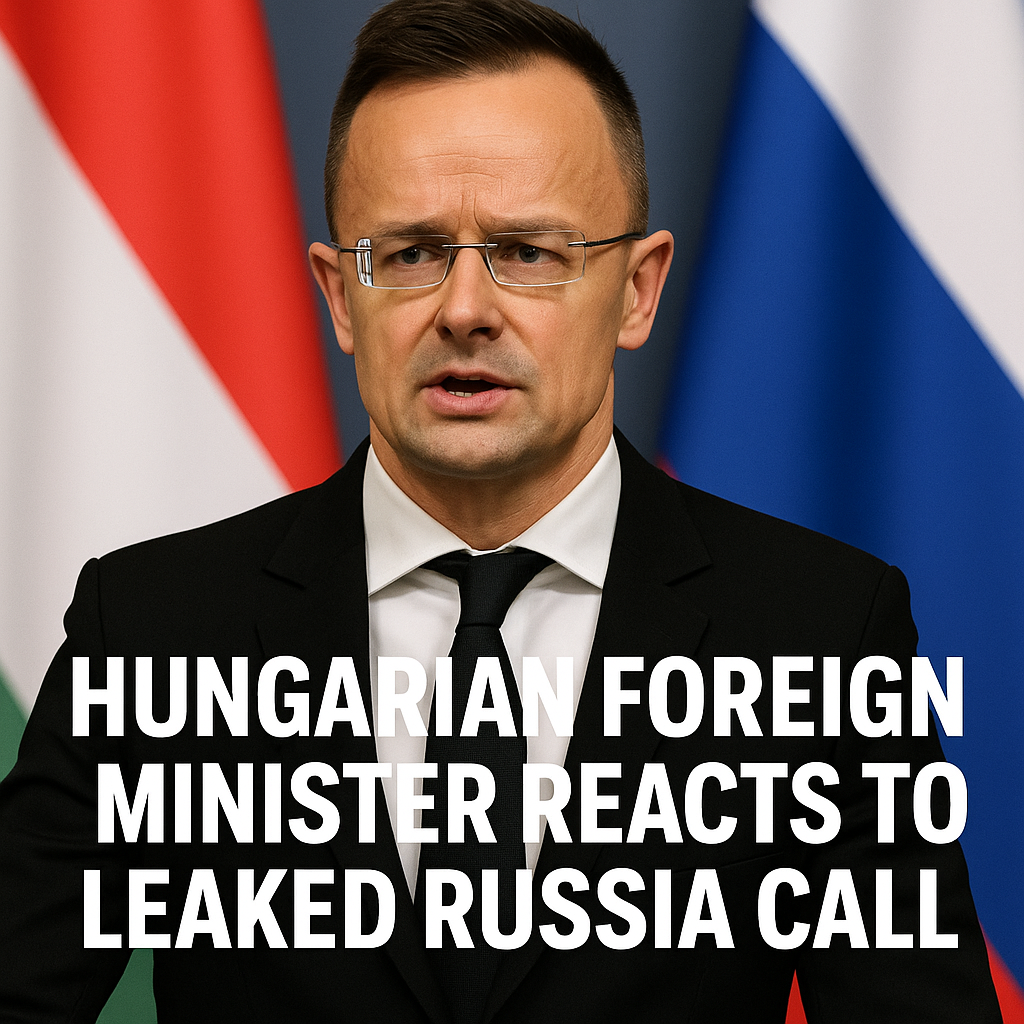
Hungarian Foreign Minister Péter Szijjártós recent remarks on a leaked Russian call highlight Hungarys tightrope walk in balancing its historical ties with Russia against its commitments to NATO and the EU. Emphasizing the need for ongoing dialogue, he insists that pragmatic diplomacy is essential—even in these tumultuous times.
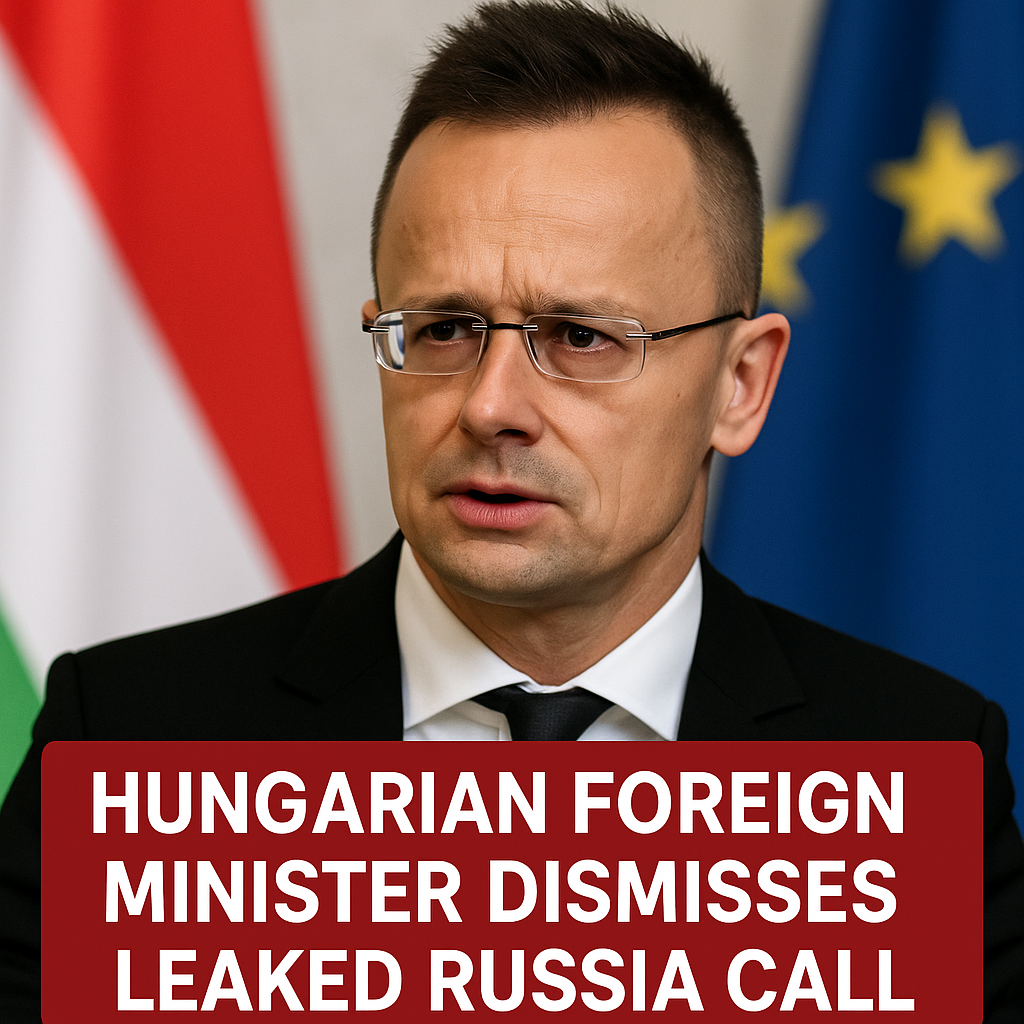
Hungarian Foreign Minister Péter Szijjártó has firmly dismissed a leaked phone call suggesting a cozy relationship with Russia, calling it misleading. As Hungary navigates the tricky waters of energy security and international alliances, this bold stance underscores the nation’s commitment to prioritizing its own national interests amid rising geopolitical tensions.
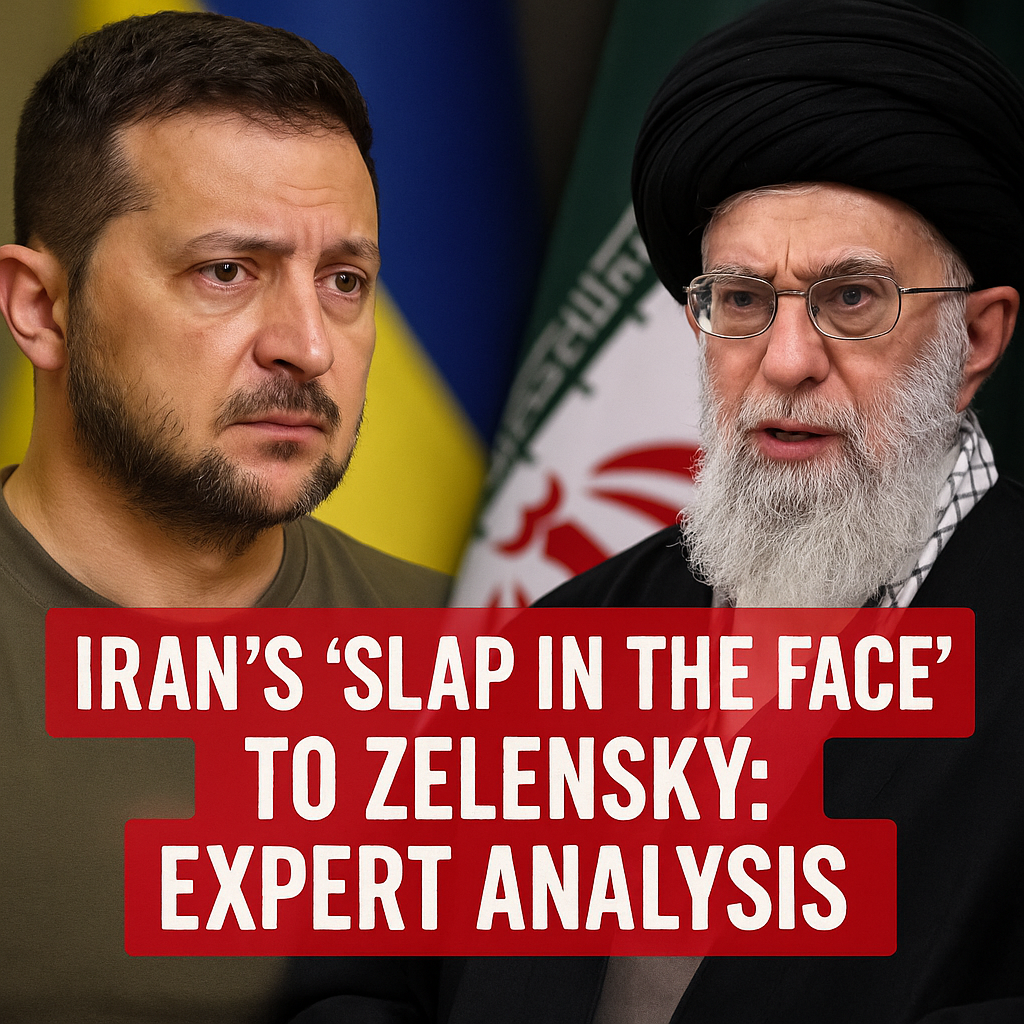
In a bold move that many see as a slap in the face to Ukraines President Zelensky, Iran has openly pledged its support for Russia, stirring up fresh debates about the shifting sands of international alliances. This dramatic alignment showcases Irans ambitions to counter Western influence while raising eyebrows about its growing military partnership with Russia.