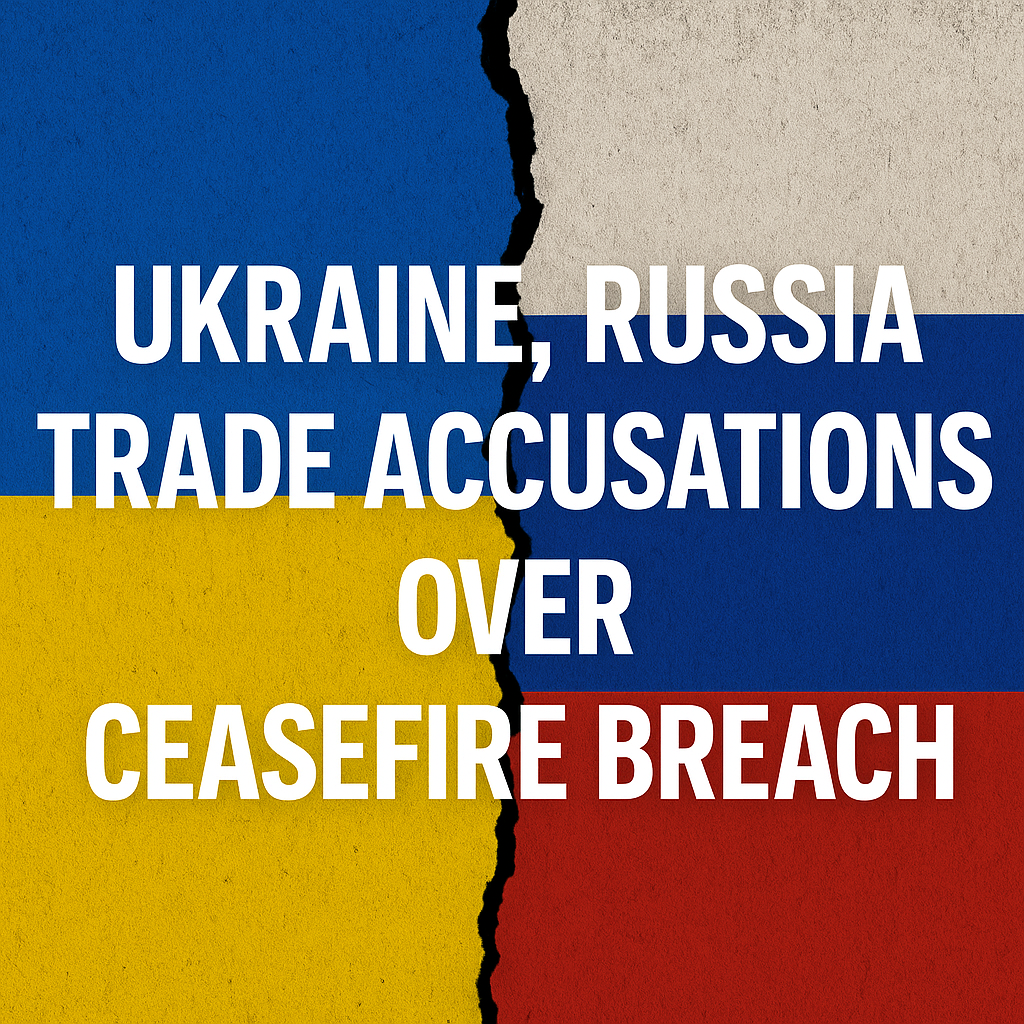
In a tense standoff, Ukraine and Russia are once again trading accusations over the fragile ceasefire, each side claiming the other is reigniting hostilities in a bid to take control of the narrative. As the situation escalates, the complexities of diplomacy hang in the balance—can peace really be achieved amid these claims and counterclaims?
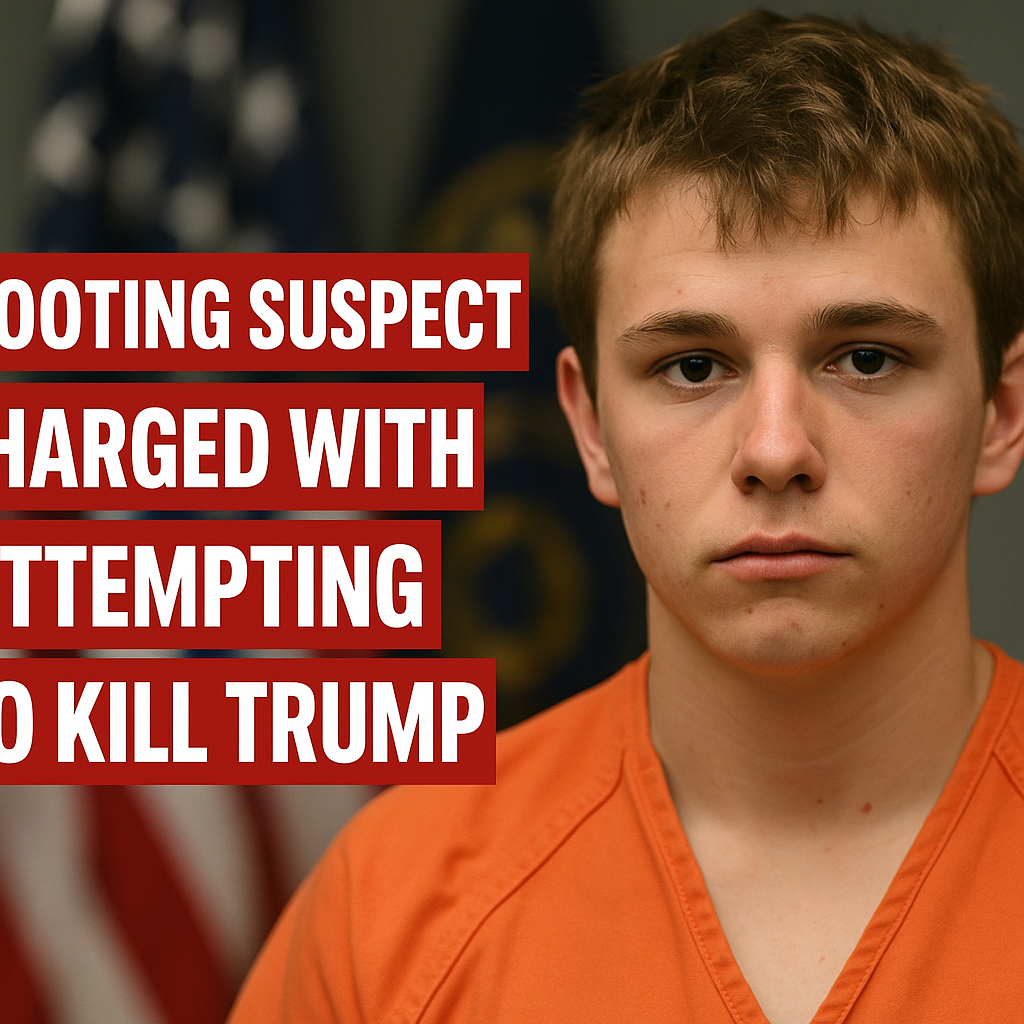
In a shocking turn of events, a shooting suspect is facing charges for allegedly attempting to kill former President Trump, igniting a nationwide conversation about the alarming rise in political violence and the urgent need for stronger security measures for public figures. This incident not only highlights deep societal divides but also prompts us to reflect on the troubling implications of increasing radicalization in today’s political landscape.
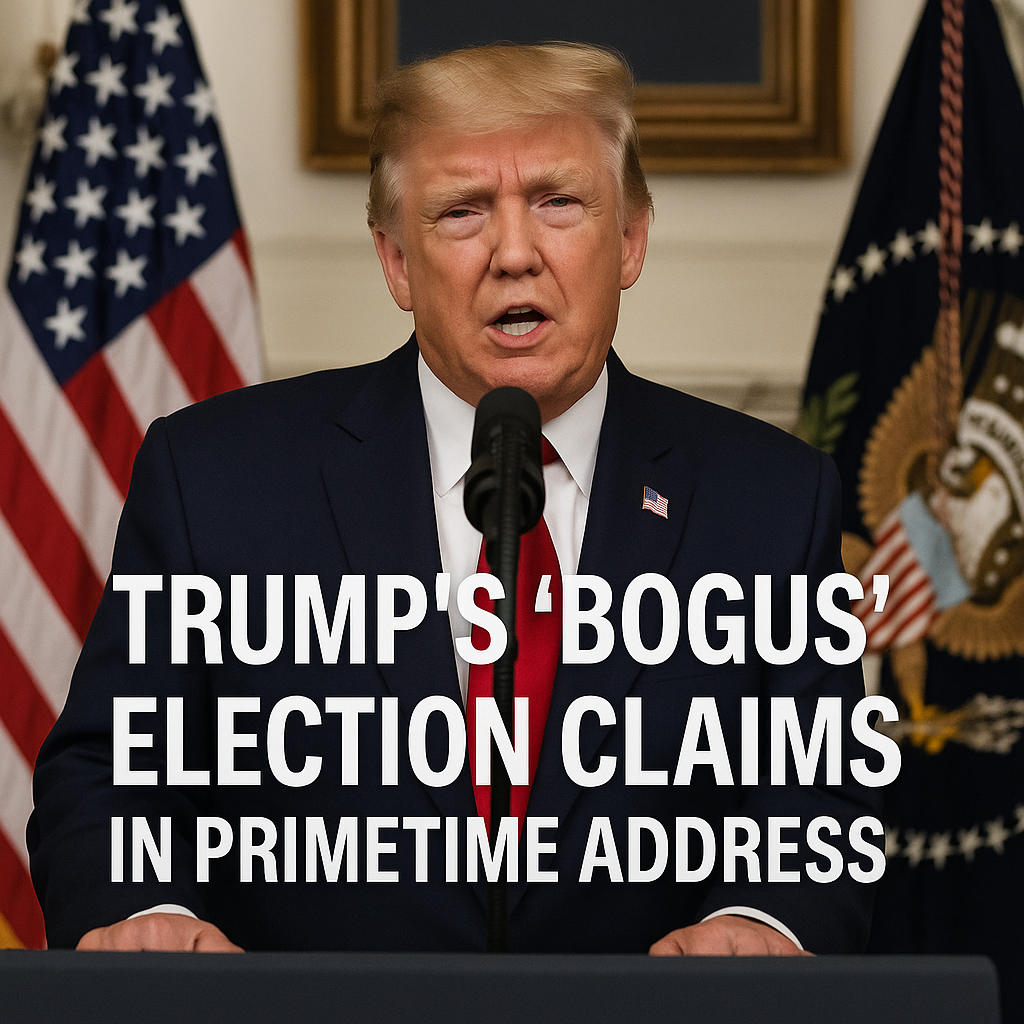
In the digital arena where opinions clash, Trumps bold claims of social media triumph reveal not just his knack for online engagement but the complex dynamics at play, as supporters cheer while critics raise caution about the divisive power of these platforms. Dive into the intriguing world where tweets can shape political landscapes and spark passionate debates!
Hungarian Foreign Minister Péter Szijjártó has firmly dismissed a leaked phone call suggesting a cozy relationship with Russia, calling it misleading. As Hungary navigates the tricky waters of energy security and international alliances, this bold stance underscores the nation’s commitment to prioritizing its own national interests amid rising geopolitical tensions.
Tensions are heating up between Moscow and Tehran as Russian officials push back against Iranian medias unfounded claims about Russias role in the Israel-Palestine conflict. This clash highlights the intricate web of alliances and narratives shaping the Middle East today.