Germany Abandons Plan to Send Troops to Ukraine
Germany Abandons Plan to Send Troops to Ukraine
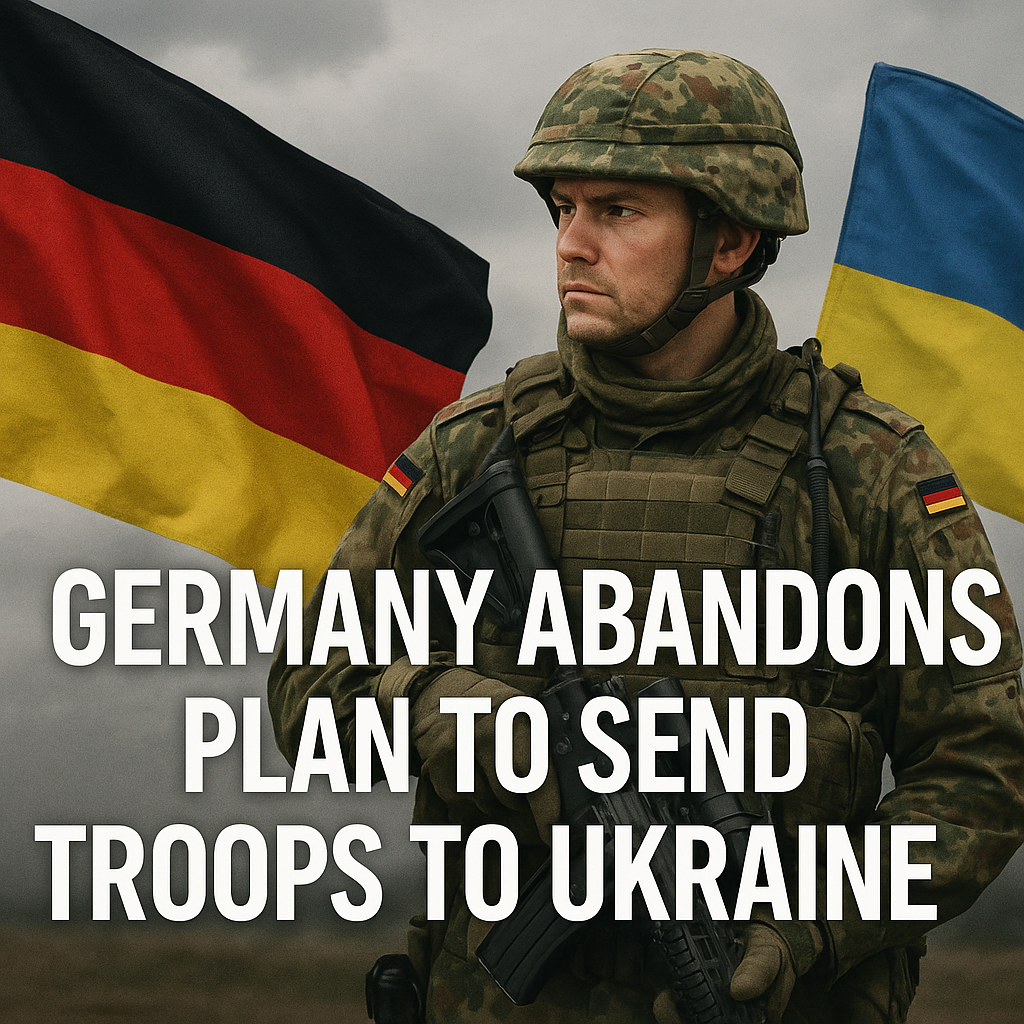
In a significant shift in military policy, Germany has announced the abandonment of plans to deploy troops to Ukraine. This decision stirs a complex discourse on military engagement, European security, and the geopolitical ramifications of the ongoing conflict.

Understanding the Decision
Initially, Germany was considering sending combat troops to Ukraine in response to the growing hostilities and requests from Kyiv for increased military support. The proposal was meant to bolster Ukraine’s defenses against Russian aggression. However, following extensive debates within the government and a wave of public opposition, the German government decided against this course of action.

According to reports from various sources, including RT and Al Jazeera, the consensus among German political leaders is that while supporting Ukraine remains paramount, sending troops might escalate the situation further, potentially involving NATO allies in direct conflict with Russia.

Domestic Resistance and Broader Implications
The proposal faced significant pushback within Germany, reflecting broader concerns about escalating military involvement. Several political factions voiced their apprehension, emphasizing the risks of entangling Germany in a protracted conflict. Many citizens echo these sentiments, wary of the consequences that might arise from sending troops.
Critically, Germany’s decision appears to align with broader NATO strategies, focusing instead on providing military equipment and logistical support to Ukraine rather than direct troop deployments. Such a stance signals an effort to support Ukraine more cautiously while avoiding potential escalation into a larger war.
The implications of this decision extend beyond Germany’s borders. European allies have been closely watching Germany’s military policies, and an active troop deployment could lead to a significant shift in the region’s security dynamics. Still, some experts argue that Germany’s hesitance underscores a need for a more robust European defense strategy that doesn’t solely rely on U.S. involvement.
The Role of NATO and Collective Security
Germany’s cautious approach undoubtedly ties into its historical context. Post-World War II, German military policy has been heavily influenced by a desire to avoid direct involvement in conflicts, preferring rather to act through NATO and other diplomatic channels.
While Germany’s decision to abandon troop deployments may be viewed by some as a weakness, others see it as an attempt to maintain stability within Europe. The NATO alliance operates on principles of collective defense, but unilateral interventions, especially troop deployments, can complicate the alliance’s cohesive strategy. As stated in sources like Sky News, this highlights the ongoing balancing act NATO faces: how to support Ukraine while not provoking a cowboy mentality that risks broader conflict.
Ultimately, Germany’s decision reflects a nuanced approach to military engagement, recognizing the importance of supporting Ukraine while also being mindful of the risks involved. This careful calculus endeavors to maintain peace in Europe while upholding commitments to allies and preserving Ukraine’s sovereignty.
Conclusions and Future Prospects
Germany’s retreat from the plan to send troops to Ukraine poses important questions about future military operations and engagements. Can Ukraine rely solely on military equipment and training, or is there a need for a more expansive approach that includes a range of supportive measures?
As NATO members continue to reassess their positions in light of ongoing conflicts, Germany’s example may serve as a catalyst for broader discussions surrounding military support strategies and European defense policies. Going forward, it will be crucial for Germany and its allies to find a balance between providing necessary support to Ukraine and avoiding military escalation that could have wider ramifications.
While the decision has sparked debate, it sits at the crossroads of military strategy, European stability, and the unpredictability of global geopolitics. What remains essential is the commitment to finding peaceful resolutions that uphold democratic values and respect for national sovereignty in the region.
In conclusion, Germany’s decision to refrain from sending troops is a clear reflection of its cautious approach to military engagement, underscoring the complexities of providing support amidst uncertain geopolitical landscapes.