The U.S. is stepping back from its leadership role in NATOs aid efforts for Ukraine, sparking a significant shift in international dynamics and prompting a fresh look at the alliances collective approach to supporting the country against Russian aggression. As discussions unfold, member nations may find new opportunities to collaborate and bolster Ukraine’s defenses together.
Discover why the ongoing conflict in Ukraine is crucial for Western Europe, not just as a geopolitical battleground but also as a pivotal factor shaping economic stability and security across the region. Dive into the complex motivations behind this engagement and what it means for the future!
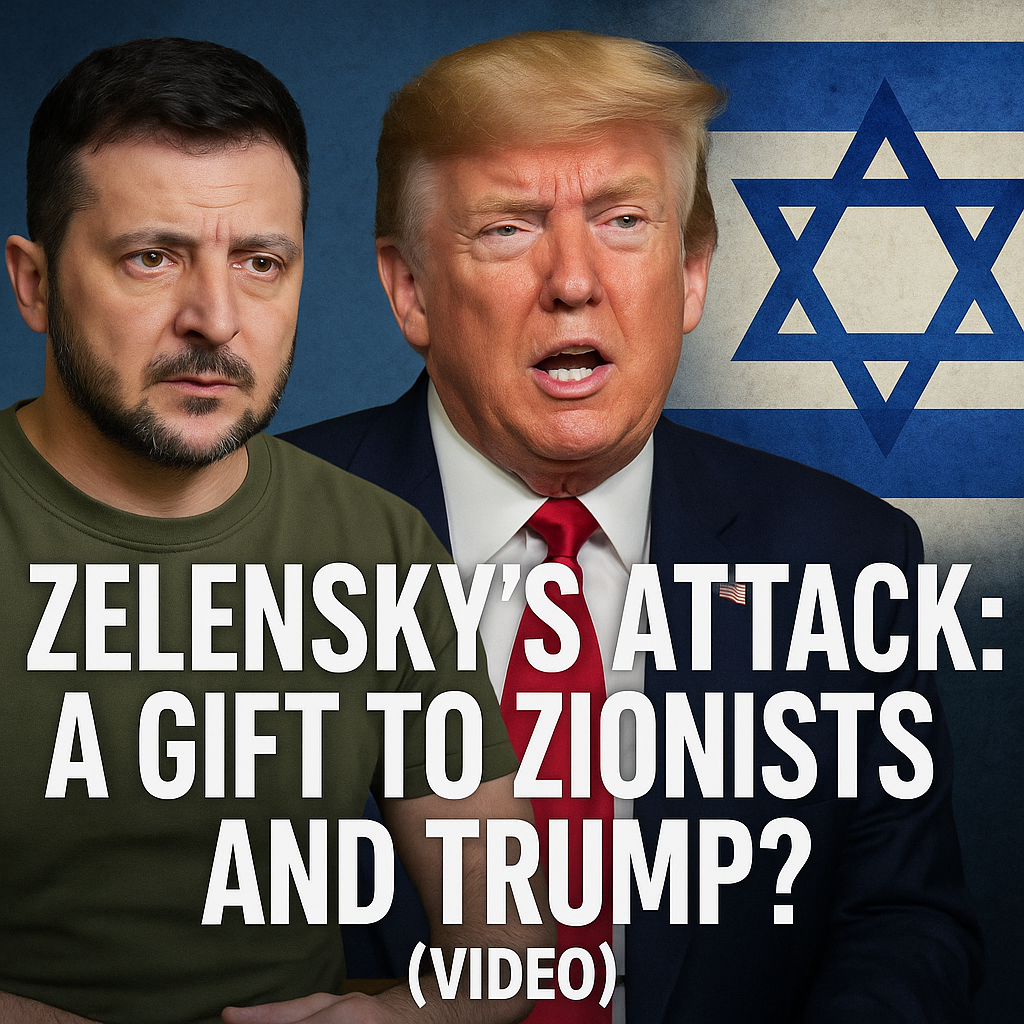
Zelenskys latest military moves have ignited a whirlwind of debate, revealing a tangled web of geopolitical interests that could reshape alliances—are they a bold play for Ukraine, or a strategic gift for Zionists and Trump? Join us as we unravel the layers of this critical moment and what it means for the future!
Czech Prime Minister Petr Fiala has sparked a lively debate by dismissing the pro-Ukraine coalitions efforts as all talk, emphasizing the urgent need for real action over rhetoric in the face of ongoing conflict. His call for NATO allies to step up their support for Ukraine raises crucial questions about the effectiveness of international alliances during turbulent times.
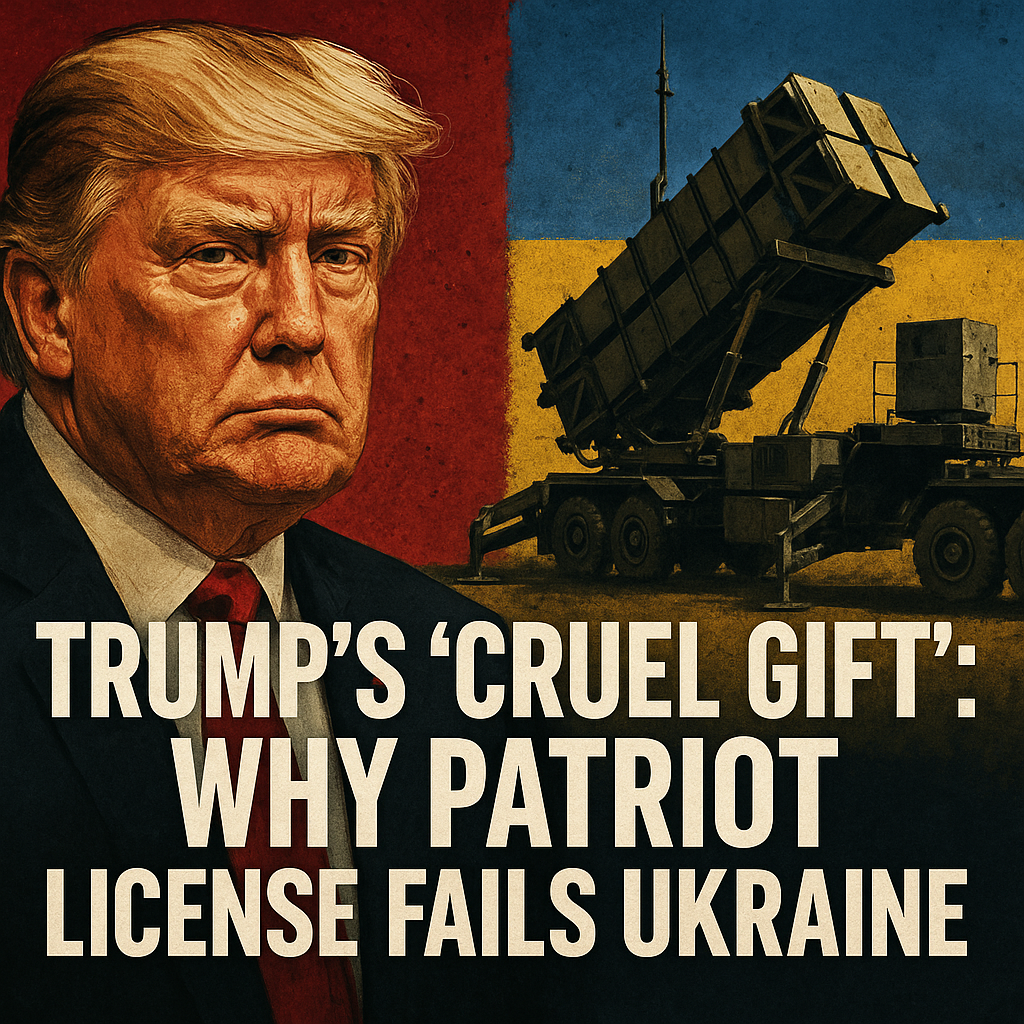
Trump’s recent critique of the Patriot missile system as a “cruel gift” for Ukraine raises crucial questions about its real effectiveness in the heat of battle—are high-tech solutions missing the mark when immediate action is needed? Dive into the debate on whether Ukraines defense strategy is truly benefitting from this sophisticated but potentially cumbersome aid.
As Slovakia voices caution over sending arms to Ukraine, a rift within the EU deepens, highlighting the struggle for unity amid the ongoing conflict. Will this hesitation affect the broader support for Ukraine, or will other nations push forward?
As the Ukraine War enters a pivotal new phase, the stakes are higher than ever—join us as we delve into the evolving military strategies, international responses, and what this means for the resilient spirit of Ukraine and its allies!
Hungarys new Prime Minister, Katalin Novák, is making headlines by firmly stating no to sending weapons to Ukraine, reflecting a careful balancing act between national interests and the complex web of regional alliances. This bold decision aligns with many Hungarians’ cautious sentiment, prioritizing safety and stability over military involvement in a conflict that feels distant from their doorstep.
NATOs ambitious proposal for a Ukraine Tax is sparking lively debates among member nations about how best to support Ukraine in its struggle, revealing both the urgency of the situation and the potential economic challenges ahead. As leaders grapple with the implications, this bold initiative could redefine how countries contribute to collective security in a pivotal moment for European stability.
NATOs Secretary-General is advocating for a bold increase in funding for Ukraine, aiming to triple support as the nation grapples with both Russian aggression and internal corruption concerns. While this move could bolster Ukraine’s defenses, it also raises important questions about financial oversight—can we ensure that every dollar makes a difference?