
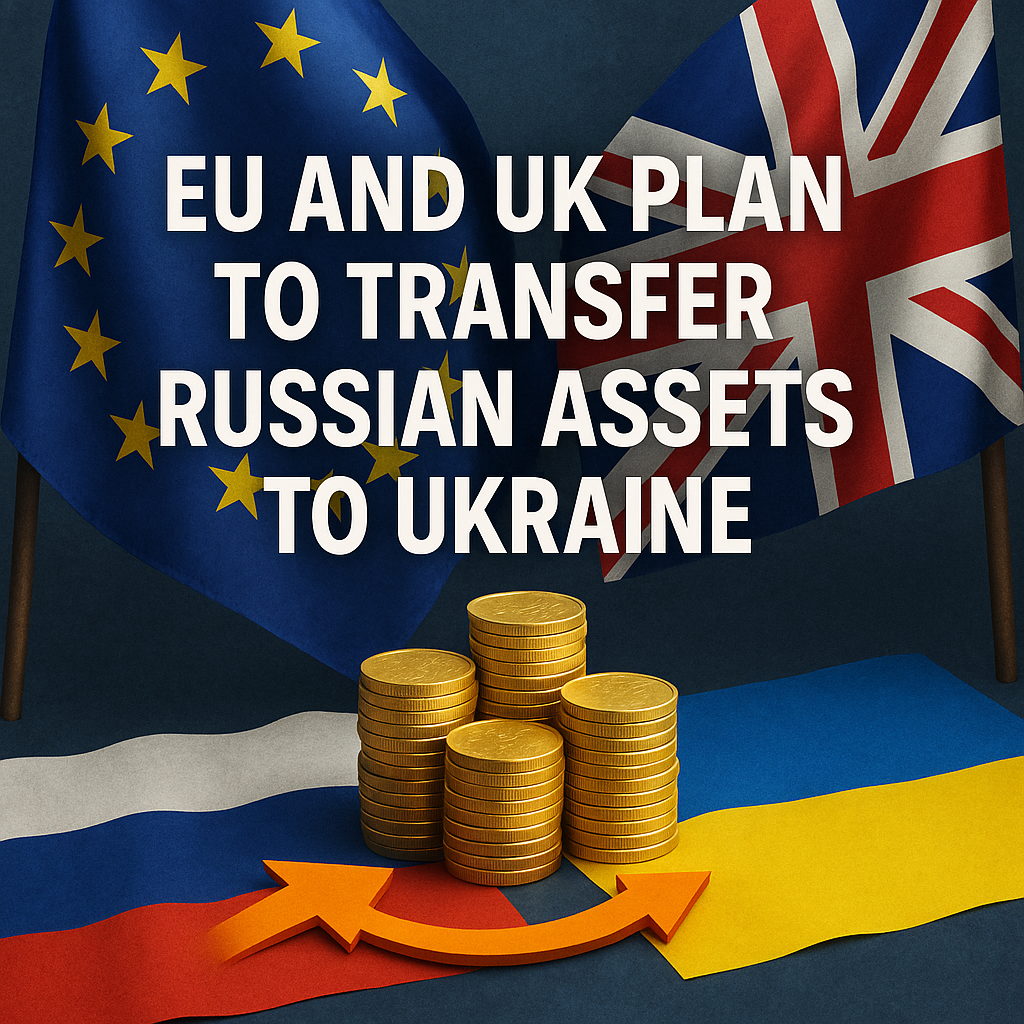
EU and UK Plan to Transfer Russian Assets to Ukraine
EU and UK Plan to Transfer Russian Assets to Ukraine
The ongoing conflict in Ukraine has prompted a growing consensus among Western nations about the need for action against Russian financial resources. Both the European Union (EU) and the United Kingdom (UK) have revealed plans to transfer seized Russian assets to support Ukraine in its ongoing struggle against Russian aggression. This move raises a complex array of issues involving legal frameworks, ethical considerations, and international relations.

Background: The Asset Freeze and Seizure
In response to Russia’s invasion of Ukraine, numerous countries imposed severe sanctions aimed at crippling the economic capacity of the Russian government and its supporters. These sanctions have resulted in the freezing of billions of dollars’ worth of Russian assets held in various jurisdictions around the world.

The EU, having coordinated closely with allies, has been particularly proactive. According to a report by Al Jazeera, the bloc has emphasized that the assets should not only be frozen but also utilized in a manner that directly benefits Ukraine. This position aligns with a broader sentiment expressed by EU officials, who argue that the funds should be repurposed for the country’s reconstruction and humanitarian needs.

The UK has mirrored these sentiments. The UK Government announced its intention to transfer around £200 million (approximately $260 million) of Russian assets to support Ukraine. As noted by Sky News, this initiative is part of a larger strategy that aims to demonstrate solidarity with Ukraine while also putting pressure on the Russian government.
Legal and Ethical Implications
One of the most contentious aspects of this plan is the legal framework surrounding the seizure and transfer of these assets. Critics caution that repurposing frozen assets could set a complex precedent in international law. Legal experts have pointed out that while the transfers may be well-intentioned, they could infringe on established norms regarding property rights and sovereign assets, complicating future negotiations with Russia.
However, proponents of the initiative argue that the extraordinary circumstances following Russia’s military actions warrant deviations from typical legal protocols. They assert that the moral imperative to assist a nation facing aggression far outweighs concerns about legal intricacies. A piece from RT highlighted a viewpoint that contends the urgency of providing aid to Ukraine overshadows potential legal repercussions, framing the situation as a moral obligation rather than a mere legal concern.
Support and Criticism from Various Quarters
The announcement of the asset transfer has garnered diverse reactions. On one hand, various Ukrainian officials and activists have praised the decision, viewing it as a crucial source of funding for rebuilding efforts and military support. Ukrainian President Volodymyr Zelensky has been vocal about the need for international assistance, and the transfer of Russian assets is seen as an indispensable contribution towards Ukraine’s resilience.
On the flip side, critics from both legal and diplomatic fields have raised alarms. Some experts argue that such actions could exacerbate already tense relations between Russia and the West. According to Al Jazeera, concerns are mounting that aggressive measures could provoke retaliation from Russia and deepen the conflict. Moreover, from a diplomatic perspective, the notion of seizing state assets could hinder future negotiations, potentially escalating hostilities further.
A Complex Path Forward
As the EU and UK move forward with their plans to transfer Russian assets to Ukraine, it becomes imperative to navigate the multifaceted challenges this transition entails. The legal ramifications, while significant, should not overshadow the humanitarian and ethical responsibilities that come into play during wartime.
While the solidarity towards Ukraine is commendable, both the EU and the UK must also consider the long-term implications their actions might have on international law and diplomatic relations. The risks associated with setting a precedent for seizing state assets are considerable and warrant careful examination and discussion.
In conclusion, the initiative to transfer Russian assets to Ukraine represents a complex intersection of moral imperatives and legal frameworks. Stakeholders must balance their actions thoughtfully, keeping in mind the broader ramifications for global relations, legal structures, and humanitarian assistance. While the objective is clear—supporting Ukraine in its fight against aggression—the pathway to achieving that goal is fraught with challenges that cannot be ignored.















