Microsoft President Says AI Faces Fewer Safety Rules Than Milk
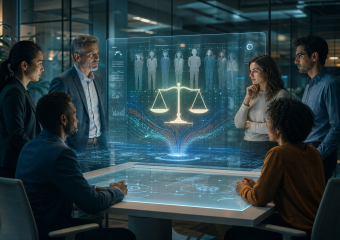
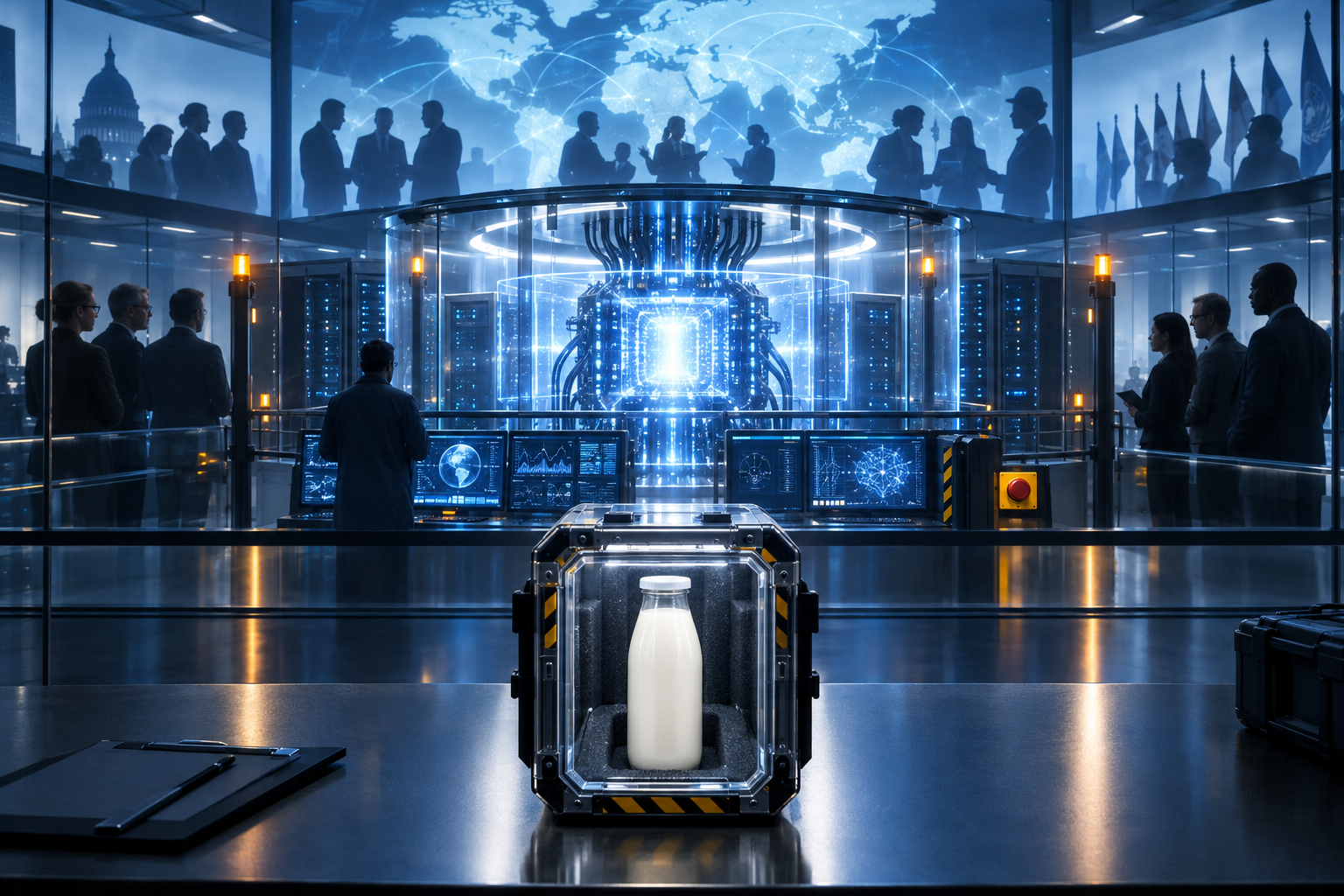
Microsoft President Brad Smith has called for stronger global safeguards for artificial intelligence, arguing that AI systems face fewer safety requirements than everyday products such as milk. Proposed measures include incident notifications, emergency shutdowns, and mandatory reporting of serious problems.
The discussion reflects broader concerns about unreliable outputs, security failures, accountability, and differing national regulatory approaches. Effective oversight may require cooperation among governments, technology companies, and independent evaluators, along with testing, transparency, and clear incident-response procedures.
Technology & AI | October 12, 2026

Artificial intelligence is advancing rapidly, but are the rules designed to keep it safe moving fast enough? Microsoft President Brad Smith has raised that question, arguing that AI faces fewer safety requirements than everyday consumer products such as milk.

In an interview with the BBC, Smith called for stronger global safeguards as AI systems become more powerful and widely used.

What Is Microsoft Calling For?
According to Reuters, Smith supports safety measures that could include notifying people affected by AI-related incidents, enabling emergency shutdowns, and requiring companies to report serious problems.
These proposals reflect growing concerns about how AI systems should be monitored when something goes wrong. AI tools are increasingly used in business, communication, software development, and other areas where mistakes can have real consequences.
Why Does This Matter?
AI can help people work faster, discover information, and solve complex problems. However, unreliable outputs, security failures, or poorly controlled systems can also create risks for individuals and organizations.
The challenge is to establish safeguards that protect people without unnecessarily preventing useful innovation.
Smith’s comments also highlight a broader disagreement over who should be responsible for AI safety: technology companies themselves, independent evaluators, governments, or a combination of all three.
Can the World Agree on AI Safety Rules?
Countries have taken different approaches to regulating AI. Some favor risk-based legal requirements, while others emphasize voluntary commitments and industry-led oversight.
A global framework could help establish common expectations, particularly for companies operating across borders.However, governments and technology firms would still need to agree on how rules should be enforced and how compliance should be measured.
No single set of safeguards can eliminate every risk. Effective oversight also requires testing, transparency, accountability, and clear procedures for responding to incidents.
The Bigger Question
The debate is no longer simply about how powerful AI can become. It is also about whether institutions can develop effective safeguards as quickly as the technology evolves.
The central challenge is clear: innovation can move quickly, but public trust depends on accountability.
Source: Reuters, reporting on Microsoft President Brad Smith’s call for stronger global AI safety rules.