
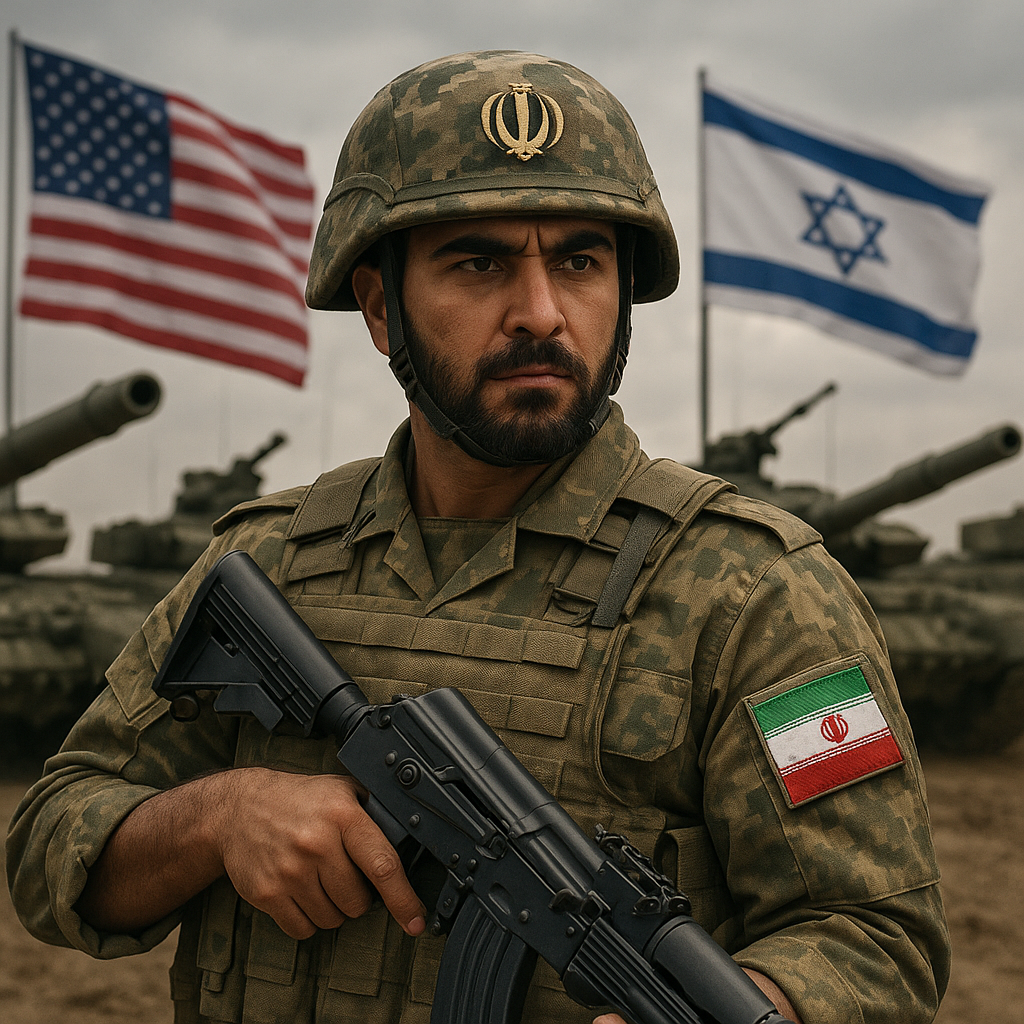
Iran’s Army Ready to Repel US-Israeli Attacks
Iran’s Army Ready to Repel US-Israeli Attacks: A Complex Situation
Iran’s military posture has been a focal point in international discussions, particularly regarding its readiness to counter perceived threats from the US and Israel. This increasingly tense narrative raises significant questions about regional stability and the geopolitical landscape in the Middle East.

Escalating Tensions: A Broader Context
Recent statements from Iranian officials underline a commitment to fortifying their defenses against potential operations by US and Israeli forces. Military spokespersons have claimed that Iran is “fully prepared” to respond to any attacks, reflecting a robust approach in safeguarding national security.

Iran’s Preparedness Claims
The rhetoric surrounding Iran’s military readiness has intensified in light of ongoing strategic maneuvers by both US and Israeli forces. Recent reports indicate that the Iranian Army is not only enhancing its defensive capabilities but also showcasing its might through military exercises and joint operations with allied factions in the region. This posturing, some experts suggest, is aimed at demonstrating an unwavering resolve against external threats.

Ali Shamkhani, Iran’s Secretary of the Supreme National Security Council, emphasized this readiness in a recent address, stating that Iran’s armed forces possess the capability to deter any hostile actions. Such affirmations are not new; however, they occur against a backdrop of heightened fears regarding military strikes amid ongoing negotiations over Iran’s nuclear program.
Divergent Views on Defense and Provocation
While Iranian officials assert that their military advancements are purely defensive, Western analysts often interpret these actions as provocations. Reports from various sources indicate a complex interplay of views:
– Proponents of Iran’s Narrative argue that enhancing military capabilities is a sovereign right and essential for national defense. They cite historical grievances and continuing military presence of US forces in neighboring countries as justifications for Iran’s defensive posture.
– Critics highlight that these military preparations potentially escalate tensions, posing risks for regional security. They argue that Iran’s military drills and weapons advancements could provoke preemptive responses from Israel or the US, creating a volatile situation that might spiral out of control.
This dichotomy suggests that while Iran views its actions as protective, there exists a significant concern among global powers about the destabilizing implications of such readiness.
The Impact of Current Geopolitical Dynamics
The situation becomes even more intricate when considering the broader geopolitical implications. The relationship between the US, Israel, and Iran has a storied history marked by suspicion, hostility, and strategic maneuvering. In light of varied global interests, several factors come into play:
The Role of Regional Allies
Iran’s military alliances with groups like Hezbollah and various militia factions in Iraq further complicate the narrative. These alliances provide Iran with leverage and the ability to influence strategic outcomes in events extending beyond its borders. The potential for a multi-front conflict cannot be underestimated, especially considering Iran’s stated intentions to support its allies in the event of a US-Israeli attack.
International Perspectives
The international community maintains a keen interest in this narrative, with countries divided on how to approach the Iranian issue. Some nations advocate for diplomatic engagement, despite ongoing tensions, while others call for stringent sanctions and military preparedness as deterrents. This division is compounded by differing approaches to Iran’s nuclear ambitions and its military advancements, making it a focal point of international discourse.
Conclusion: Navigating Uncertainty
Iran’s declaration of military readiness against potential US-Israeli attacks opens a complex dialogue about security, stability, and diplomacy in the Middle East. While Tehran underscores its commitment to national defense, the implications of such readiness engender a spectrum of responses globally, reflecting a landscape filled with uncertainties.
The future remains unpredictable as both regional and international players navigate their interests amidst escalating rhetoric. Diplomatic avenues may be limited, yet fostering dialogue and exploring peaceful resolutions are crucial in mitigating the risks of miscalculation or conflict erupting in an already strained environment. As this situation develops, remaining informed and engaged with nuanced perspectives will be essential in understanding the intricate dynamics at play.















