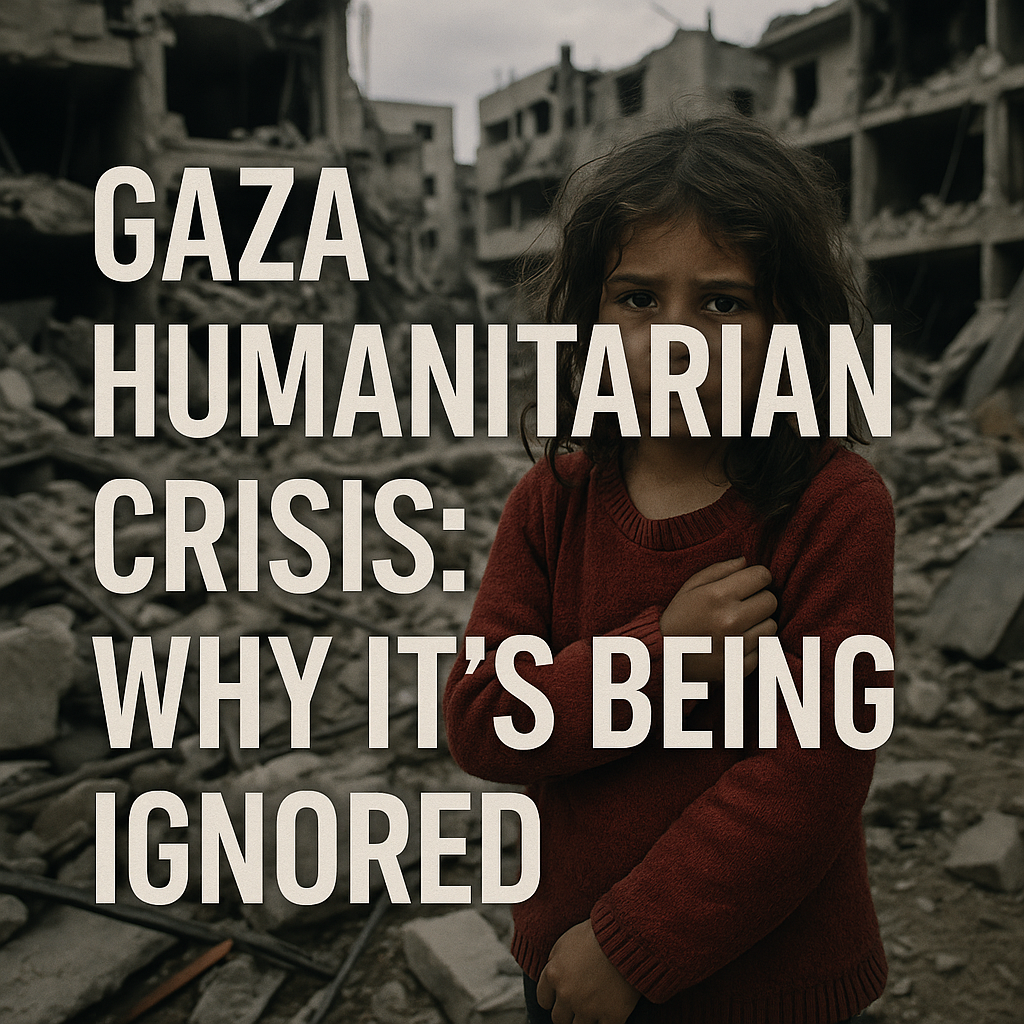
Gaza Humanitarian Crisis: Why It’s Being Ignored
Gaza Humanitarian Crisis: Why It’s Being Ignored
The humanitarian crisis in Gaza has escalated to alarming levels, yet it often seems overshadowed by global events. While news cycles can quickly pivot from one crisis to another, the situation in Gaza remains urgent and desperate. This article delves into the myriad reasons behind the perceived neglect of this escalating humanitarian disaster and examines diverse perspectives surrounding it.

Context of the Crisis
The humanitarian situation in Gaza has become increasingly dire due to a combination of ongoing conflict, economic blockage, and the destruction of infrastructure. Recent reports highlight that over 2 million residents are affected, experiencing severe shortages of essential supplies, including food and medicine. Al Jazeera gives a comprehensive overview of the toll this has taken: hospitals operating at limited capacity and families lacking basic necessities.

Multiple Layers of Disregard
Despite the gravity of the situation, one of the foremost reasons for the crisis being overlooked is the sheer complexity of the region’s politics. The Israeli-Palestinian conflict, steeped in historical grievances and geopolitical ramifications, continues to serve as a backdrop. Many argue that foreign media often prioritize coverage of conflicting narratives—such as the military actions taken by Israel or acts of violence perpetrated by various Palestinian groups—over the humanitarian toll these actions take on civilians.

For instance, a report from RT highlighted that coverage often revolves around military outcomes rather than the resulting human suffering. This tendency can render the plight of civilians invisible in the broader narrative. The politicization of the crisis can also lead to “compassion fatigue” among the global audience, where repeated exposure to suffering can result in desensitization.
International Responses and Responsibility
The international community’s response has been another factor contributing to the neglect of the humanitarian crisis. Fundraising efforts, while sometimes successful, often fall short of meeting the vast needs on the ground. As documented by Sky News, international aid has been complicated by political discussions surrounding accountability and approach. Questions persist regarding to what extent countries should get involved in providing aid without appearing to take sides in the ongoing conflict.
Furthermore, many nations faced with their own pressing issues often regard humanitarian assistance to Gaza as secondary. With crises in other parts of the world also demanding attention—from natural disasters to geopolitical tensions—Gaza has occasionally been relegated to a lower priority.
The Role of Media
Media representation plays a crucial role in shaping public perception and awareness. As Al Jazeera points out, the images and narratives that dominate news media can heavily influence public response. Effective communication is essential in sustaining global attention to the humanitarian crisis. The challenge lies in breaking through the noise of other news stories, including global pandemics and economic unrest, which can make it difficult for the situation in Gaza to gain traction.
Moreover, the availability of funding for in-depth journalism on niche humanitarian issues has decreased, limiting coverage that moves beyond headlines to explore the ongoing struggles faced by the people in Gaza. The nuances—such as the impact on children or the daily realities of life under siege—often go unreported, thus reinforcing a cycle of neglect.
Bridging the Gap: A Path Forward
For the situation in Gaza to receive adequate attention, stakeholders—not only governments but also NGOs and the media—must collaborate. Informing the public with consistent updates that penetrate the often superficial news cycle can help keep the crisis alive in the public consciousness. Stories about individual experiences can foster empathy and spur action, as people relate on a personal level to the suffering of others.
Community engagement on social media platforms can also serve as an effective tool for raising awareness. Grassroots movements have historically galvanized support for humanitarian causes, and similar efforts can be utilized for Gaza. The challenge remains in balancing this grassroots awareness with serious diplomatic conversations aimed at addressing both immediate needs and long-term solutions.
In summary, the humanitarian situation in Gaza must not be allowed to fade into the background of global discourse. By recognizing its complexity and embracing a multifaceted approach to coverage and aid, there is hope to engage a broader audience. With conscientious effort, the voices of those suffering can resonate louder, compelling action and humanitarian support amidst the noise of other pressing global issues.