
Beirut Destruction Scale Exposed After Israeli Strikes
Beirut Destruction Scale Exposed After Israeli Strikes
Recent events have thrust Beirut into the global spotlight, particularly following the devastating impact of Israeli strikes on the city. The scale of destruction has raised urgent questions about geopolitics in the region, humanitarian concerns, and what these strikes mean for the stability of Lebanon as a whole.

Unearthing the Impact: Damage Assessment in Beirut
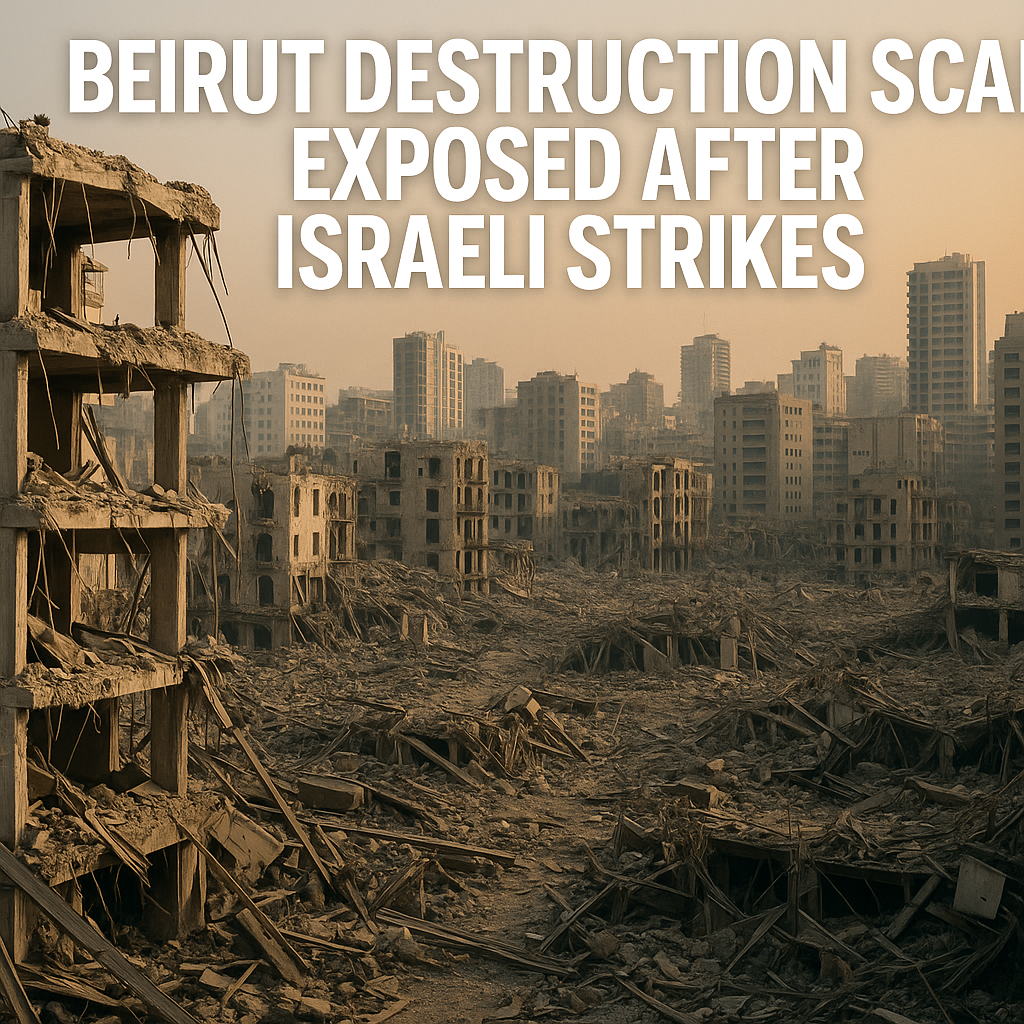
The images emerging from Beirut depict not just destruction but a city grappling with scars from both recent and historical conflicts. Reports indicate that residential areas, infrastructure, and even cultural landmarks have suffered significant damage. According to Al Jazeera, the aftermath reveals “demolished buildings and shattered lives,” illustrating the depth of the crisis at hand. Witness accounts paint a vivid picture of despair and resilience, showcasing how the Lebanese populace is striving to cope with the relentless pressures brought on by regional tensions.

Several Lebanese officials have condemned the strikes, highlighting that the impact goes beyond mere physical destruction. It feeds into a broader narrative of instability. RT reports that these attacks have intensified fears of a renewed cycle of violence, threatening to plunge Lebanon back into chaos. The government’s ability to respond, both in terms of emergency services and public safety, is now under scrutiny; a crucial challenge given the nation’s economic frailty.

International Reactions: Diverse Viewpoints on Israeli Strikes
The global reaction to the strikes has been varied, illustrating the multifaceted nature of the crisis. Some countries and international organizations have called for accountability, urging a ceasefire and humanitarian support for the affected. Sky News notes that human rights organizations are mobilizing to provide aid and relief, stressing that the ethical implications of such military actions warrant careful examination.
In contrast, there are voices that maintain a strategic defense perspective, arguing for the necessity of Israeli operations to safeguard its national interests. Supporters from these circles often point to ongoing threats from militant groups as justification for the military actions taken. This division in international opinion amplifies the complexities surrounding the situation, making it challenging to arrive at a consensus on next steps.
The Human Cost: A Fragile Future Ahead
As the dust settles and assessments continue, the human cost of the destruction is becoming alarmingly apparent. The Lebanese population, already burdened with economic hardship, must now navigate the additional hurdles posed by displacement and loss of life. Unsurprisingly, humanitarian crises arise in tandem with military conflicts; local and international aid organizations have been forced to act quickly. Yet, hurdles such as access restrictions and political instability may impede effective response efforts.
The pervasive uncertainty surrounding the Lebanese political landscape further complicates these humanitarian efforts. Analysts warn that without a stable governance framework, the recovery process will be sluggish at best, and the potential for further violence remains high. Both Al Jazeera and Sky News emphasize that long-term recovery will hinge on more than just immediate aid; a concerted international effort aimed at stabilizing Lebanon politically is crucial.
Navigating Uncertainty: The Path Forward for Lebanon
What remains clear is that the path moving forward for Lebanon is fraught with challenges. As the international community grapples with how best to assist, it must contend with regional dynamics that often seem beyond control. Some experts suggest that engaging multiple stakeholders—including Lebanon’s government, NGOs, and international bodies—could yield more sustainable solutions.
However, there is also a groundswell of voices advocating for local decision-making, emphasizing that sustainable peace should be rooted in Lebanese self-determination. There remains a pressing need for dialogue among various factions within Lebanon to mend the social fabric torn by prolonged conflict.
Amidst all this, one undeniable fact persists: The destruction in Beirut is more than a physical testament to conflict; it’s a dire reminder of the humanitarian crises that arise, demonstrating the urgent need for a multi-faceted approach to peace and recovery.
Final Thoughts
As the world watches the situation in Beirut unfold, it becomes evident that simplistic narratives about conflict often miss the complexity involved. The intersection of military, political, and humanitarian issues paints a picture that is not easily categorized or understood. Moving forward, careful consideration of various perspectives will be essential in forging a path toward peace and stability in Lebanon and the broader region.
The challenge remains not just in responding to the immediate devastation but in thinking critically about long-term solutions—balancing military needs with humanitarian ethics while fostering local leadership and governance.















