
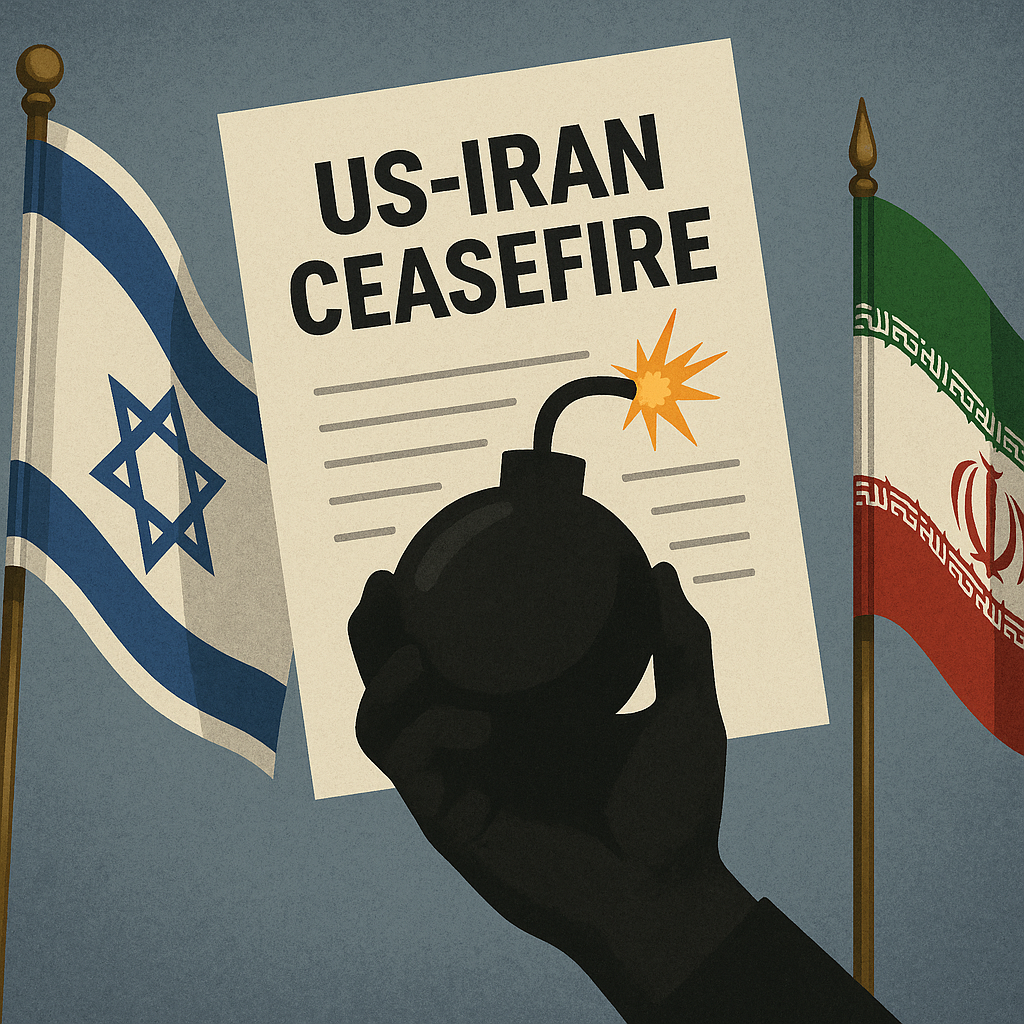
Israel’s Desperation to Sabotage US-Iran Ceasefire
Israel’s Struggle Amidst the US-Iran Ceasefire
Israel’s desperate maneuvers surrounding the US-Iran ceasefire reveal the complexity of geopolitical dynamics in the Middle East. As nations scramble to secure their interests, the anxiety permeating Israel’s approach uncovers broader concerns about regional stability and security.

The US-Iran Ceasefire: A Fragile Hope
The ongoing negotiations for a US-Iran ceasefire have garnered considerable attention on the international stage. Both countries are in a delicate dance, navigating diplomacy with geopolitical interests in mind. Analysts from various outlets have emphasized the importance of this ceasefire in de-escalating tensions that have historically plagued the region.

Israel’s Perception of Threat
Israel’s apprehension is rooted in a profound sense of insecurity. The nation perceives any rapprochement between the US and Iran as a potential jeopardy to its own safety. According to an article from RT, a spokesperson for the Israeli government expressed the belief that a ceasefire could embolden Iranian influence in Syria and Lebanon, directly impacting Israel’s security landscape. This sentiment aligns with broader Israeli fears that Iran’s military presence could bolster adversarial groups in the region, such as Hezbollah.

Contrastingly, Al Jazeera highlights that not all regional dynamics view the ceasefire with skepticism. Some Middle Eastern countries, looking to decrease tensions, have cautiously welcomed the possibility of a US-Iran reconciliation. They argue that stability could allow for greater economic cooperation and security collaborations—something Israel traditionally opposes.
A Divided Perspective within Global Alliances
Israel’s stance is not merely a product of its own security concerns; it is also shaped by its alliances. RT indicates that Israel is focused on building coalitions with certain Gulf states that share its distrust of Iran, attempting to align interests against any potential US-Iran agreements. However, it faces a dilemma: strengthening ties with these states might alienate traditional allies who advocate for peace and dialogue.
Observers note the complexity of the situation. For instance, a recent report from Sky News suggests that the US’s approach to negotiating with Iran could shift the balance of power in the region, allowing Iran to further its agenda under the guise of diplomatic normalization. This nuance is vital, as it impacts not just Israel but also its alliances and relations with other Arab nations.
Weighing Consequences: What Lies Ahead?
Given the multifaceted perspectives on the ceasefire, it’s essential to weigh the potential consequences of these geopolitical maneuvers thoughtfully. If the ceasefire proceeds and peace takes hold, it could reshape regional alliances and mitigate some of the long-standing conflicts within the Arab world. Yet, if Israel finds itself sidelined in a new security architecture that empowers Tehran, it may lead to escalated tensions and military responses.
The Role of Public Sentiment and Political Landscape
Israeli leadership is also influenced by domestic sentiments. The population’s wariness of Iran shapes political discourse, pushing leaders to adopt a hardline stance against any deals perceived as favorable to Iranian interests. This pressure complicates the government’s ability to engage with the changing dynamics of the broader Middle East peacefully.
Moreover, Israeli Prime Minister Benjamin Netanyahu’s administration faces its own challenges; maintaining a relentless campaign against any perceived threats from Iran may resonate with hardline factions, but it risks estranging those advocating for diplomacy and a more balanced approach.
Conclusion: Navigating Uncertainty
In conclusion, while Israel’s desperation to sabotage a US-Iran ceasefire illustrates its fear of increased Iranian influence, it also highlights the complexities and diversities of opinions among regional players. As nations align or oppose one another, the stakes remain undeniably high for peace in the Middle East.
The path forward appears foggy. Both proponents and opponents of the ceasefire hold valid concerns regarding the implications for regional security. As these discussions unfold, it is crucial to weigh Israel’s legitimate fears against the potential for diplomatic breakthroughs that could reshape the landscape in a more peaceful direction.
In this intricate web of international relations, the balance between peace and security continues to be a delicate tightrope for all involved.















