
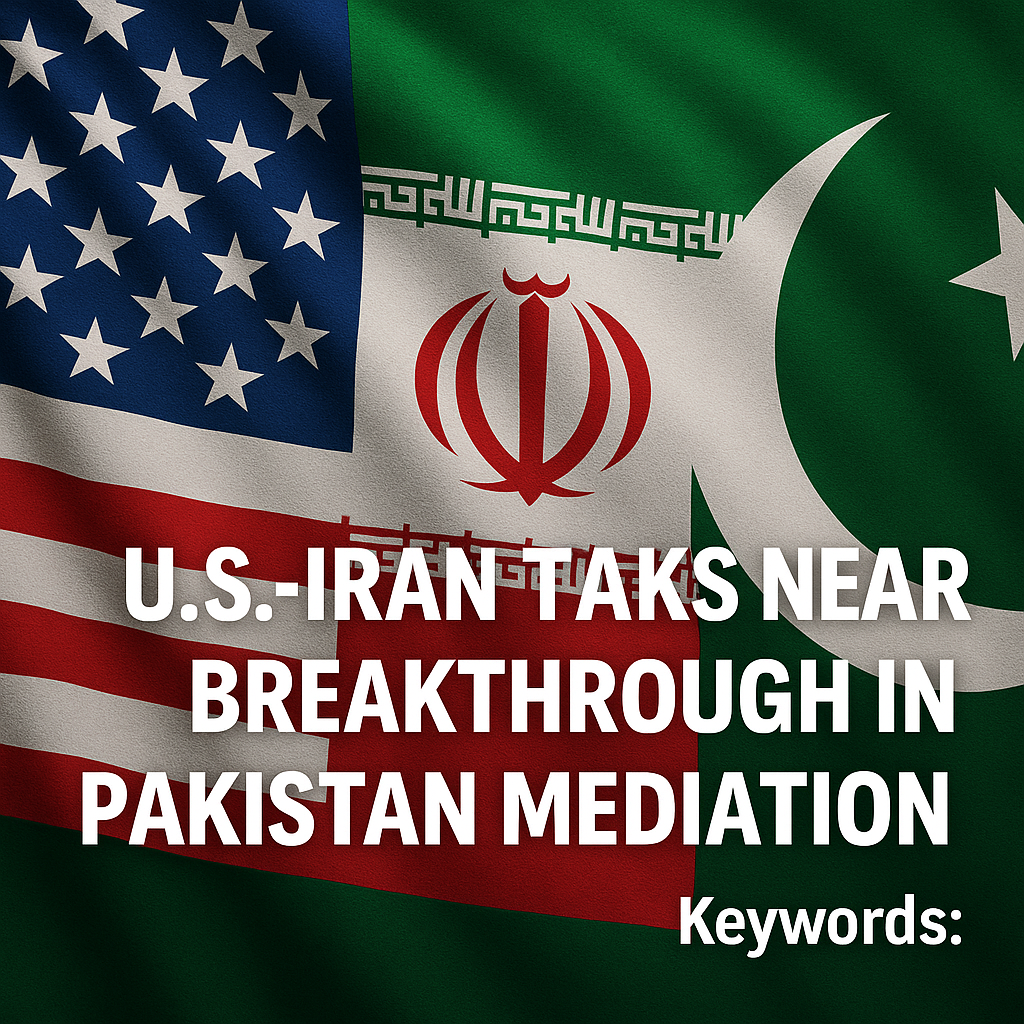
US-Iran Talks Near Breakthrough in Pakistan Mediation
US-Iran Talks Near Breakthrough in Pakistan Mediation
The ongoing discussions between the United States and Iran are reportedly reaching a pivotal point, with Pakistan stepping in as a mediator. The complexity of these talks reflects not just the intricacies of international diplomacy but also the historical tensions and strategic interests at play.

Background of US-Iran Relations
The relationship between the US and Iran has been fraught with conflict and misunderstanding, especially since the 1979 Iranian Revolution. This historical backdrop frames the current negotiations, with both nations wrestling with their past grievances and future ambitions.

In recent years, attempts to revive the 2015 nuclear deal have faced multiple setbacks. The Biden administration has voiced a willingness to return to the agreement, while Iranian officials have insisted on lifting sanctions as a precondition for compliance. Through this lens, Pakistani mediation emerges as a crucial development, potentially reshaping the dialogue dynamics.

The Role of Pakistan as Mediator
Pakistani officials have stepped in to facilitate discussions between the US and Iran, marking a significant diplomatic effort from Islamabad. Pakistan’s unique position as a regional actor engaged with both Tehran and Washington enables it to foster communication in ways other countries may not.
– Geopolitical Context: Pakistan shares a border with Iran and has historically maintained a working relationship with both the US and Iran. This has positioned Islamabad as an intermediary capable of bridging gaps, which has proven essential in various diplomatic negotiations over the past decades.
– Interest in Stability: For Pakistan, encouraging a stable relationship between the US and Iran aligns with its own national interests. Both countries exert considerable influence in the region, and a breakdown in relations could exacerbate regional instability—something Pakistan is keen to avoid given its intricate ties with both nations.
Emerging Perspectives on the Talks
The potential breakthrough in US-Iran negotiations, mediated by Pakistan, has elicited a variety of responses from analysts and policymakers.
Optimism from Diplomacy Experts
Some analysts are optimistic, suggesting that Pakistan’s involvement could catalyze more productive talks. According to sources, recent discussions have shown a willingness on both sides to reconsider previous stances. The prospect of lifting sanctions in exchange for Iranian compliance with nuclear regulations has been floated as a possible compromise.
– Historic Precedents: Successful mediations have occurred in similar high-stakes scenarios. The Oslo Accords, for instance, were facilitated by Norway, showcasing how third-party countries can facilitate dialogue and engender trust.
Skepticism from Other Analysts
Conversely, skepticism remains regarding the likelihood of significant progress. Some experts argue that while Pakistani mediation introduces a new variable, the deeply rooted animosities between the US and Iran may hinder any substantial breakthrough.
– Uncertainties about Commitments: The roadblocks are as much about trust as they are about policies. Domestic politics in both countries, such as upcoming elections or shifts in leadership, could influence the commitment levels to any agreements.
A Balanced View on Mediation Attempts
The mixed responses highlight a critical aspect of international relations—no clear consensus exists about the efficacy of third-party mediation. While Pakistan’s role in facilitating talks is promising, the complexities surrounding US-Iran relations deal with entrenched historical grievances and geopolitical stakes that cannot be ignored.
Conclusion: A Critical Moment in US-Iran Relations
As talks mediated by Pakistan progress, the possibility of a breakthrough is matched by an array of uncertainties. The willingness of both the US and Iran to engage in meaningful dialogue is a step forward, but the lasting impact of this mediation depends critically on both parties’ commitment to resolving not just their present issues but also the legacy of their tumultuous relationship.
Future developments will undoubtedly unfold as we observe the reactions from both nations and the international community at large. While hope may be on the horizon, it will take substantial trust-building and strategic concessions to usher in a more harmonious era between these two pivotal countries.















