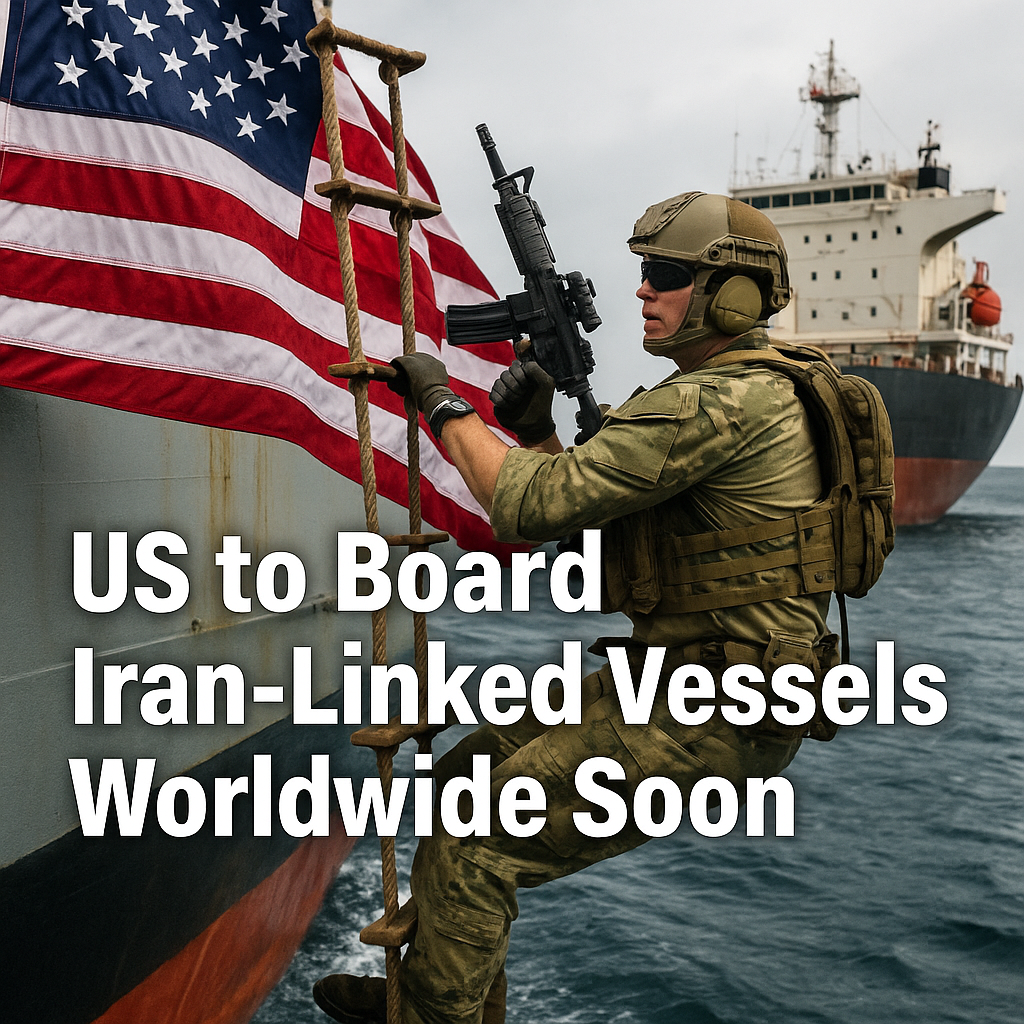
US to Board Iran-Linked Vessels Worldwide Soon
US to Board Iran-Linked Vessels Worldwide Soon: An Overview
The United States is set to embark on a controversial mission to board Iranian-linked vessels worldwide, a move that has sparked a wave of strategic discussions and diplomatic reactions across the globe. This decision underscores the complexities inherent in international maritime law, the geopolitical landscape, and the ongoing tensions between the US and Iran.

Understanding the Context
The US naval operations are not new; they stem from longstanding suspicions regarding Iran’s involvement in maritime activities that allegedly contravene international sanctions. According to multiple reports, this latest initiative is a significant escalation designed to deter Iran from continuing its alleged support for armed groups and its development of ballistic missile capabilities.

A Balancing Act of Strategy and Diplomacy
The strategic rationale behind the US’s decision is multifaceted. Primarily, the US aims to uphold international maritime norms and ensure the security of vital shipping routes in a region that has witnessed escalating hostile actions. By boarding these vessels, the US intends to intercept Iranian oil shipments, which could potentially be violating sanctions imposed by the United Nations or the US itself.

On one hand, supporters of this initiative argue that it is a necessary step toward maintaining freedom of navigation and enforcing international law. A report from Al Jazeera states that this approach is viewed as essential for curbing Iran’s influence in the region and protecting allied nations, particularly those in the Gulf.
Conversely, critics warn that such aggressive measures could exacerbate tensions, leading to confrontations at sea. RT News highlights that boarding vessels may provoke retaliatory measures from Iran, potentially jeopardizing the safety of personnel involved in these operations and complicating diplomatic negotiations surrounding Iran’s nuclear program.
The Risk of Confrontation
The potential for confrontation is palpable. The Iranian government has publicly condemned US actions and vowed to resist any attempts to board its vessels. As the situation evolves, it remains a delicate balancing act for both nations, with the risk of miscommunication triggering hostile encounters. Recent statements from Iranian officials indicate that they perceive these naval operations as provocative encroachments on their sovereignty.
Moreover, the international community is closely monitoring these developments. Some countries have voiced support for ensuring maritime security, while others express concern over possible escalations transforming into military engagements.
Perspectives from Allied Nations
The US response has been shaped, in part, by the reactions of its allies. According to reports from Sky News, several Western nations view US actions as a necessary counterbalance to Iran’s growing influence and perceived aggressions. However, African and Asian nations express anxiety about the implications of heightened military presence in international waters, fearing unintended consequences that could affect global trade.
The division in international viewpoints reflects a broader dilemma: how to address security concerns without jeopardizing diplomatic channels. As the US consistently reinforces its commitment to deter Iranian activities, the risk of further isolating Iran might be a double-edged sword—prompting retaliatory measures while also alienating potential partners interested in negotiating peaceful solutions.
Conclusion: Navigating a Complex Landscape
The decision to board Iranian-linked vessels worldwide signals a critical point in US-Iran relations, drawing attention to the intricacies of international law and geopolitical strategy. While the US justifies this maneuver as essential for maintaining maritime security and enforcing sanctions, the potential ramifications necessitate careful evaluations of diplomatic avenues and military outreach.
Though the immediate objectives may center around curbing Iranian maritime operations, the long-term implications of these actions could reshape alliances and influence futures in the broader context of Middle Eastern geopolitics. As both nations navigate this precarious terrain, the prospect of a more stable maritime and diplomatic order hinges upon mutual restraint and dialogue.