
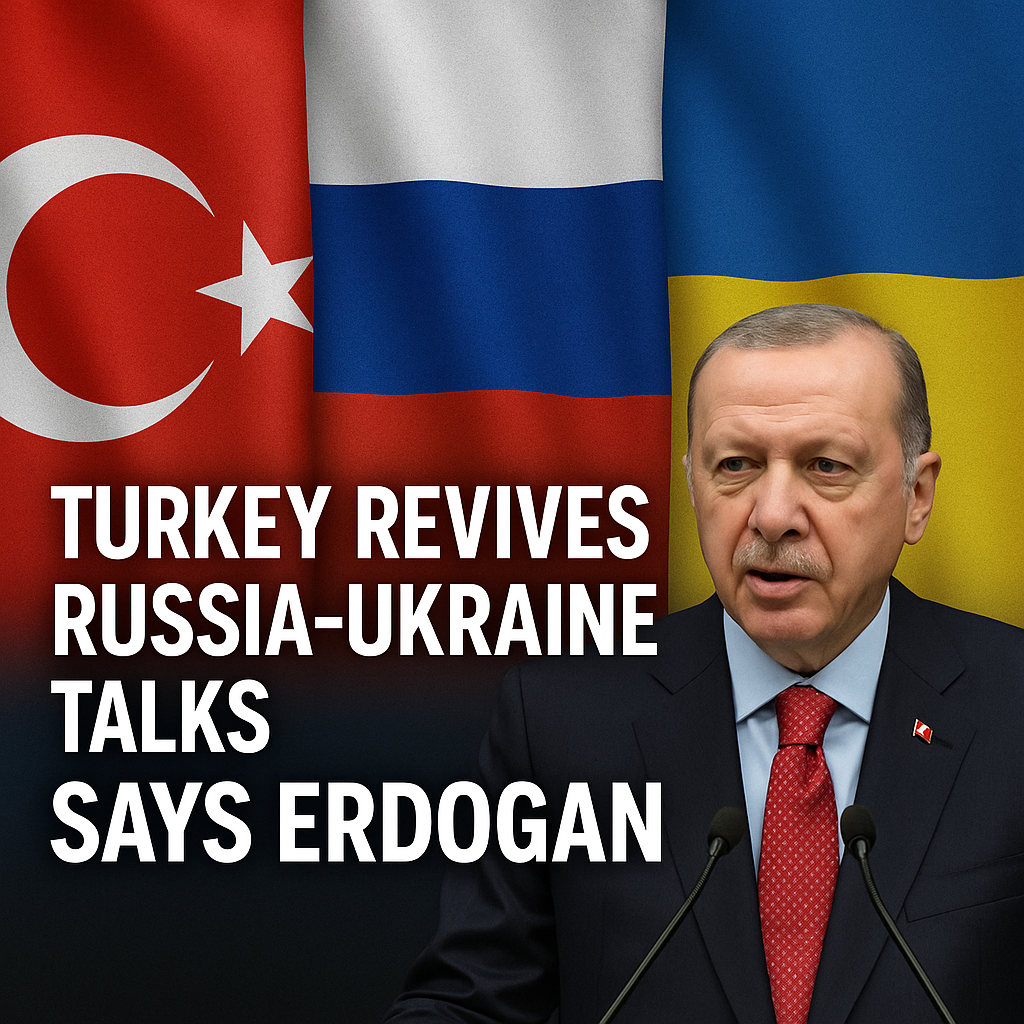
Turkey Revives Russia-Ukraine Talks, Says Erdogan
Turkey Revives Russia-Ukraine Talks, Says Erdogan: A Closer Look
Turkey is stepping back into the diplomatic spotlight, as President Recep Tayyip Erdogan announced renewed efforts to mediate between Russia and Ukraine. This situation draws attention not only for its potential impact on the ongoing conflict but also for the geopolitical landscape surrounding it. An examination of various news sources reveals the intricacies of these negotiations and the diverse opinions surrounding Turkey’s role.

The Diplomatic Landscape: Turkey’s Renewed Role
In the wake of escalating tensions and continued hostilities, Turkey has positioned itself as a crucial intermediary in the Russia-Ukraine conflict. Erdogan’s recent declaration emphasizes Ankara’s commitment to facilitating dialogue between the two nations, suggesting a possible shift in the peace process. According to reports from Al Jazeera, Erdogan stated, “We want to see lasting peace in the region,” underlining Turkey’s desire not only to mediate but also to foster stability.

Turkey’s historical ties with both Russia and Ukraine place it in a unique position to act as a neutral party, at least from Ankara’s perspective. Erdogan’s government has maintained a complex relationship with Moscow, balancing economic interests with its Western alliances. This diplomatic tightrope walk is part of a broader strategy to reinforce Turkey’s presence on the global stage, as outlined in various analyses.

Diverging Perspectives on Turkey’s Role
Support for Mediation
Some commentators view Turkey’s renewed efforts positively, highlighting its previous successes in facilitating talks. For instance, during the early stages of the conflict, Turkish officials played a significant role in organizing peace discussions that, while ultimately unsuccessful, displayed Ankara’s capability to bring opposing sides to the negotiation table. Erdogan’s firm commitment was welcomed by many observers as a sign of hope for a more peaceful resolution.
Additionally, reports from sources like Sky News emphasize that Turkey’s ongoing diplomatic engagements are crucial given the lack of substantial progress from other nations involved. They note that if peace talks are to gain momentum, then having a mediator like Turkey, which possesses both relationships and resources, could be advantageous.
Skepticism and Criticism
Conversely, there are critics who question the efficacy of Turkey’s involvement. Analysts from RT emphasize past instances where similar efforts yielded minimal results, arguing that Erdogan’s motivations may not be purely altruistic. They suggest that Turkey’s strategic positioning seeks to enhance its regional influence rather than genuinely fostering peace.
Moreover, critics point out the complex dynamics at play, including Turkey’s ongoing military operations in northern Syria and its contentious relationship with NATO allies. This juxtaposition raises doubts about Erdogan’s ability to act as a neutral mediator. The inherent contradictions in Turkey’s geopolitical strategy leave some analysts cautious about whether Erdogan can align the interests of both Russia and Ukraine effectively.
Bridging the Gap: The Complex Nature of Peace Talks
The Russia-Ukraine conflict is steeped in history and riddled with complexities that can make mediating a daunting task. Turkey’s approach aims to address several key areas:
– Humanitarian Concerns: Erdogan’s emphasis on humanitarian aid has been echoed in various discussions surrounding the war. Ensuring safe corridors for civilians and facilitating aid delivery is a critical aspect that all parties agree upon to some extent.
– Ceasefire Agreements: Previous ceasefire agreements have faltered, often due to lack of trust and the complex military realities on the ground. Turkey’s involvement could introduce fresh perspectives and alternative solutions that both countries may not have considered.
– Economic Implications: The conflict has vast economic ramifications for both nations and extends beyond their borders. Turkey, which relies significantly on both countries for trade, may highlight these interdependencies as a motivating factor for peace.
The Road Ahead: Uncertainties and Possibilities
As Turkey resumes its role in mediating the Russia-Ukraine conflict, the path forward remains fraught with uncertainties. While Erdogan’s commitment to dialogue offers a glimmer of hope, historical precedents cast a long shadow. The diverging opinions on Turkey’s role raise questions about the future effectiveness of these discussions.
If Turkey can navigate the complex sentiments and interests of both parties while ensuring that its own strategic goals do not overshadow the pursuit of peace, there may be a possibility for meaningful dialogue. However, skepticism remains, as the geopolitical landscape continues to shift, creating complications that may hinder progress.
In conclusion, while Turkey’s efforts to revive talks between Russia and Ukraine could be seen as a step towards reconciliation, the complexities of the situation call for cautious optimism. A multitude of factors will influence the success of these diplomatic initiatives, and time will reveal if Turkey’s role can indeed lead to a lasting resolution.















