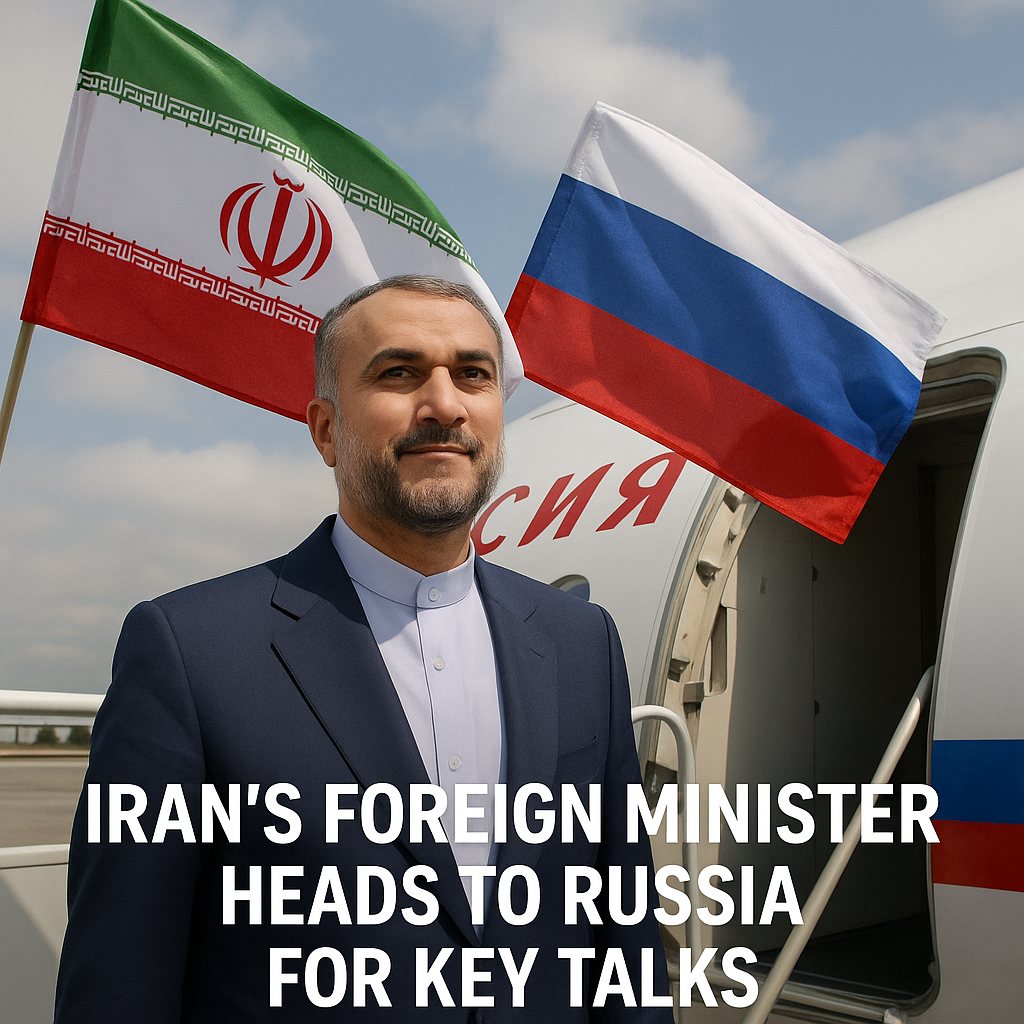
Iran’s Foreign Minister Heads to Russia for Key Talks
Iran’s Foreign Minister Heads to Russia for Key Talks
Iran’s Foreign Minister, Hossein Amir-Abdollahian, is embarking on a significant diplomatic visit to Russia that underscores complex international relations and geopolitical strategies within the region. This meeting comes at a time when several global dynamics are at play, including tensions in the Middle East and evolving partnerships amid shifting alliances.

Context: Why This Visit Matters
Amir-Abdollahian’s trip arrives on the heels of strained relations among various nations, particularly influenced by the ongoing situation in Ukraine and Iran’s involvement in regional conflicts. According to reports from Al Jazeera, the purpose of this visit extends beyond mere diplomatic niceties; it seeks to strengthen bilateral relations at a time when both nations face increased pressure from the West.

The importance of this visit cannot be overstated. As Iran contends with sanctions imposed by the United States and its allies, deepening ties with Russia offers Tehran opportunities to bolster its economic and military partnerships. In particular, conversations will likely touch upon military cooperation and energy deals. This reflects a growing narrative of countries like Iran and Russia finding common ground against Western influence.

Divergent Perspectives on the Visit
While Iranian officials project a sense of optimism about the new avenues their partnership with Russia could open, other analysts view this relationship through a more cautious lens. According to sources from RT, the historical context of Iranian-Russian relations is marked by both collaboration and competition, suggesting that any perceived alliance must be navigated carefully. This view indicates a more nuanced relationship, where both countries may seek to use each other as allies, yet remain wary of over-dependence.
However, amid these discussions, the ongoing conflict in Ukraine presents a backdrop that complicates any straightforward alignment. As Iranian drones are allegedly supplied to Russia, concerns arise over how this dynamic impacts broader international relations. Critics worry that an over-reliance on Russia could expose Iran to vulnerabilities, dampening the potential positive impacts of this diplomatic engagement.
Opportunities and Challenges Ahead
Both nations are likely to discuss a range of related issues, including energy exports and military cooperation, as noted by analysts from Sky News. The potential for collaboration, particularly in areas like oil exports amidst heightened sanctions against both nations, presents a landscape filled with opportunities. Furthermore, as Russia seeks to solidify its position in the global energy market, an alliance with Iran could help both countries navigate through the tumultuous international environment.
However, the meeting is not without its challenges. Iran’s pursuit of a nuclear program and the corresponding international scrutiny could make collaboration complex. Many Western countries are keeping a close eye on these developments, potentially complicating the relationship between the three entities involved: Iran, Russia, and the West. The consensus among various sources is that while economic ties can tighten, the geopolitical implications of their partnership warrant careful consideration.
Conclusions: A Future of Complex Alliances
Amir-Abdollahian’s visit to Russia encapsulates the intricate tapestry of modern geopolitics. As both nations grapple with external pressures and internal challenges, their partnership can be seen as a strategic maneuver to navigate emerging global tensions. While there are opportunities in this alliance, potential pitfalls exist that could significantly influence both nations’ futures.
As these talks unfold, the international community watches closely, aware that the implications of this meeting surpass mere bilateral relations. The growing partnership has the potential to reshape political dynamics in the region and beyond, challenging existing power structures and paving new pathways for diplomatic engagement.
In sum, Iran’s foreign minister heading to Russia signifies not just a meeting of two countries, but a key point in a larger narrative involving various actors and interests. As both nations look to fortify their positions, the issues at hand continue to reflect the complexities of modern diplomacy and the ever-evolving landscape of international relations.