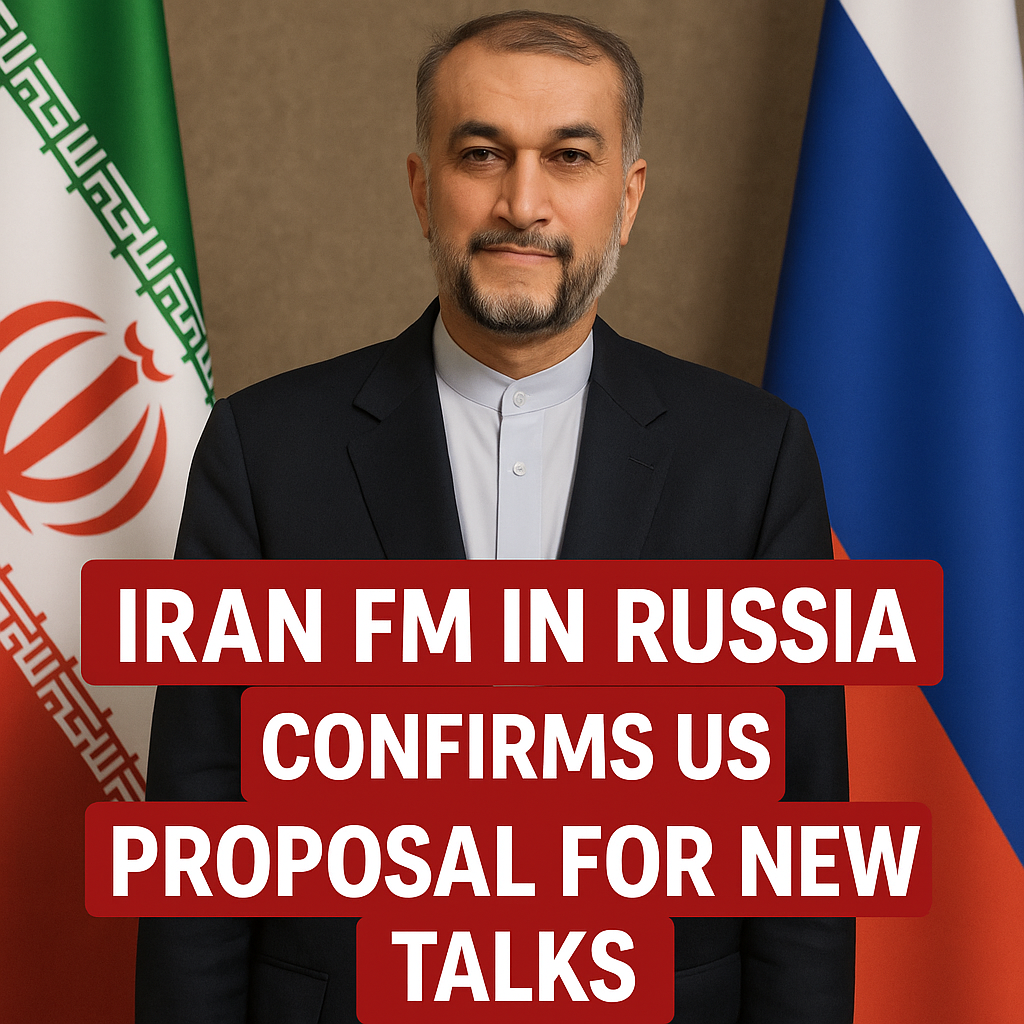
Iran FM in Russia Confirms US Proposal for New Talks
Iran FM in Russia Confirms US Proposal for New Talks
Iran’s Foreign Minister, Hossein Amir-Abdollahian, has recently confirmed reports that the United States has proposed a new round of negotiations aimed at reviving the nuclear agreement established in 2015. This comes at a tense time for international relations, particularly as geopolitical dynamics continue to shift. In the midst of these evolving circumstances, let’s explore the implications of this development and its potential to shape future diplomatic interactions.

The Context of Renewed Talks
The confirmation from Iran’s Foreign Minister comes as diplomatic efforts have been reignited concerning the Joint Comprehensive Plan of Action (JCPOA). The agreement, which sought to limit Iran’s nuclear capabilities in exchange for relief from sanctions, has faced significant challenges since the U.S. withdrew from it in 2018 under then-President Donald Trump. This withdrawal led to escalating tensions, sanctions, and increased instability, both regionally and globally.

Diverging Perspectives on Engaging with Iran
Diverse viewpoints emerge from various stakeholders regarding the potential for these new talks. Al Jazeera reports that Amir-Abdollahian’s acknowledgment of the U.S. proposal was framed within a context of Iranian sovereignty and a desire for a fair agreement. He emphasized that any new arrangement must guarantee Iran’s interests, hinting at Tehran’s reluctance to engage in discussions that lack mutual respect or acknowledgment of its regional role.

Conversely, Russian sources, including RT, highlight Moscow’s support for Iran amid U.S. pressures, suggesting that Russia views these negotiations as a way to counter Western hegemony. The Foreign Minister’s visit to Russia signifies a potential strengthening of alliances in response to the West’s actions. This alignment complicates the narrative around the U.S.-Iran negotiations, illustrating a broader geopolitical chess game where various nations jockey for influence.
Potential Outcomes and Implications
The proposed talks could open up several avenues for both progress and pitfalls:
– Possibility of a Revised Agreement: Should negotiations proceed smoothly, there may be room for updating the JCPOA to address security concerns that have emerged since 2015. This could include provisions to manage Iran’s missile program and its regional activities, which are priorities for the U.S. and Israel.
– Increased Tensions: On the other hand, if talks fail or stall, this may lead to heightened tensions between Iran and the U.S., with potential repercussions for regional stability. The situation in the Middle East remains delicate, and any perceived failure to diplomatically resolve differences could escalate conflicts.
– Broader Geopolitical Ramifications: Involving Russia as a key player in these discussions changes the dynamics significantly. Nations like China may also have a vested interest, further complicating the situation. This trilateral engagement could lead to a more fractured international system if consensus cannot be reached.
Conclusion: Navigating Complexity
The confirmation of the U.S. proposal for new talks regarding the nuclear agreement with Iran certainly reflects a willingness to re-engage diplomatically. However, the complexities surrounding the negotiations emphasize the need for caution. The balance of interests, especially with respect to national sovereignty and regional security, will play a significant role in determining whether these talks yield productive results.
In navigating these intricate dynamics, stakeholders must remain open to dialogue while also preparing for the possibility of setbacks. As history has shown, negotiations in this sphere are rarely straightforward, requiring patience and a commitment to understanding the multifaceted concerns of all parties involved. The coming weeks and months will be critical in shaping not only U.S.-Iran relations but also the broader geopolitical landscape.