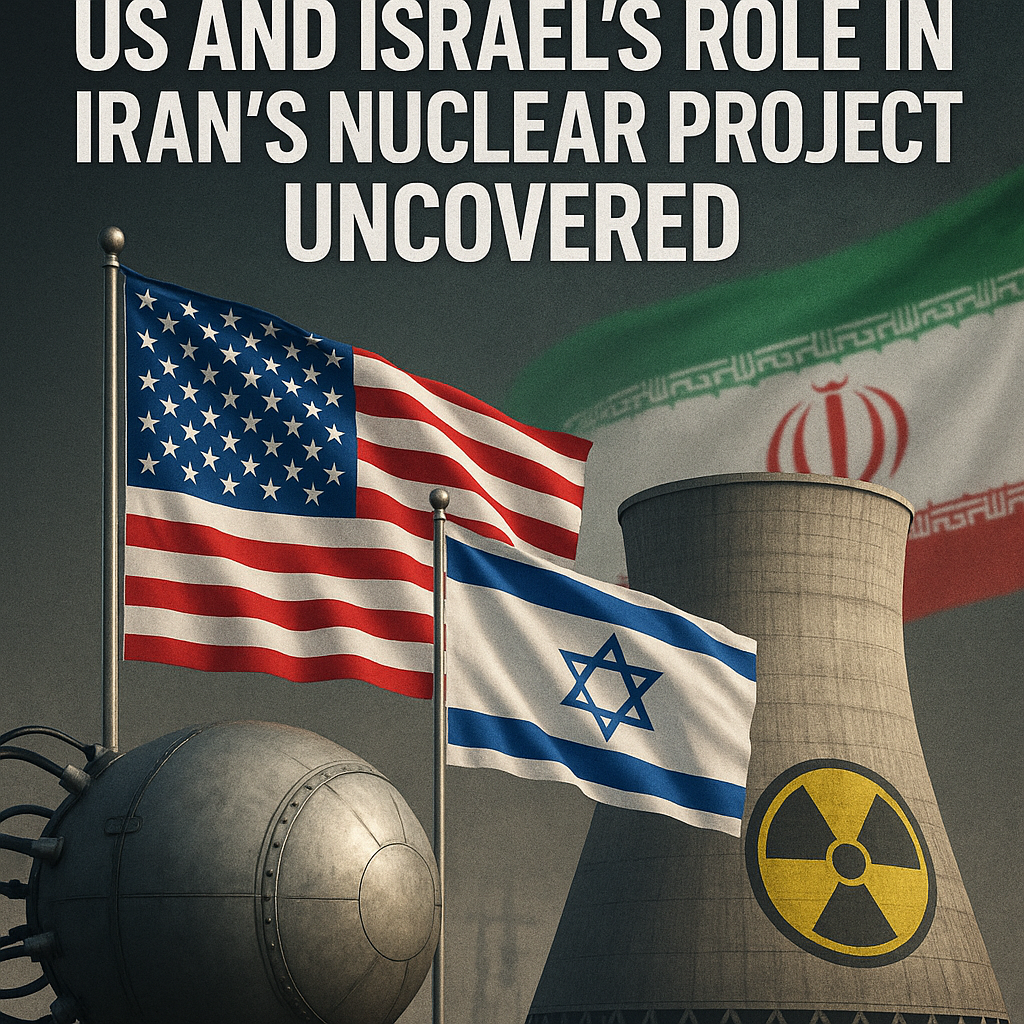
US and Israel’s Role in Iran’s Nuclear Project Uncovered
Unpacking the Complex Dynamics of the US and Israel’s Role in Iran’s Nuclear Project
The intricate dynamics surrounding Iran’s nuclear ambitions have intensified, placing the roles of the United States and Israel under scrutiny. Both nations have been pivotal in shaping the discourse and action regarding Iran’s nuclear project, impacting regional stability and international relations.

The Geopolitical Background
Iran’s nuclear program has long been contentious, attracting the ire of various countries, particularly the US and Israel. Following the 2015 nuclear agreement, known as the Joint Comprehensive Plan of Action (JCPOA), expectations were high for a diplomatic resolution. However, the US withdrawal from the agreement in 2018 under President Donald Trump reversed much of the progress, leading to increased tensions.

Israel has always viewed Iran’s nuclear capabilities as an existential threat. A report from RT emphasizes that Israel has implemented a strategic stance to counter Iran’s advancements, often engaging in covert operations—including cyberattacks and assassination of key scientists involved in the nuclear program. This ongoing rivalry underscores not just military mayhem but also a battle of ideologies concerning nuclear deterrence and regional supremacy.

Diverse Perspectives on US and Israeli Interventions
While the approach taken by the US and Israel may appear unilateral, various geopolitical perspectives frame the narratives differently.
On one side, proponents argue that the interventionist policies of the US and Israel are justified actions aimed at preventing a nuclear-armed Iran. They reference the high stakes involved, given Iran’s history of hostile rhetoric toward Israel and its influence in destabilizing neighboring countries. Citing Al Jazeera, the fear is that without strong intervention and sanctions, Iran might accelerate its nuclear capability, posing a significant risk not only to Israel but to global security as well.
Conversely, critics of both US and Israeli policies argue that their aggressive posture could further destabilize the Middle East. They contend that increased military actions and sanctions disproportionately harm civilian populations and may bolster nationalist sentiments within Iran. Moreover, some analysts caution that these actions could lead to a self-fulfilling prophecy where an embattled Iran pursues a nuclear program more fervently due to perceived existential threats.
Tensions and Diplomatic Efforts
As of late, both diplomatic efforts and military actions have added complexity to the narrative. Negotiations over reviving the JCPOA have been fraught, with varying levels of commitment from different parties. Reports indicate that the US has shown willingness to return to the deal under certain conditions; however, Israel remains vocally opposed, advocating for a more hawkish approach.
The situation is further complicated by Iran’s advancements in nuclear technology, which the International Atomic Energy Agency (IAEA) continues to monitor with apprehension. A recent RT article indicates that Iran’s enriched uranium levels have soared, leading to heightened fears regarding its potential militarization. This ongoing escalation tests the boundaries of diplomacy and military strategy.
The Road Ahead
Navigating the future of the Iran nuclear project is fraught with immense complications. The dichotomy between military intervention and diplomatic negotiation will likely continue to shape the landscape. Gathering evidence indicates that each move could significantly alter the balance of power in the region.
What remains clear is that the roles of the US and Israel in this context are not merely reactive. Each nation carries its historical burden, strategic objectives, and inherent biases that affect their policymaking. While collaboration between these two allies against a common adversary is commonplace, the consequences of their actions can reverberate globally.
In conclusion, as the situation unfolds, the multifaceted interplay of national interests, regional stability, and strategic deterrence will require vigilant monitoring and a nuanced approach. The ambiguities inherent in the Iran nuclear project highlight the complexity of international relations today, where the paths of diplomacy and militarism often intertwine.