
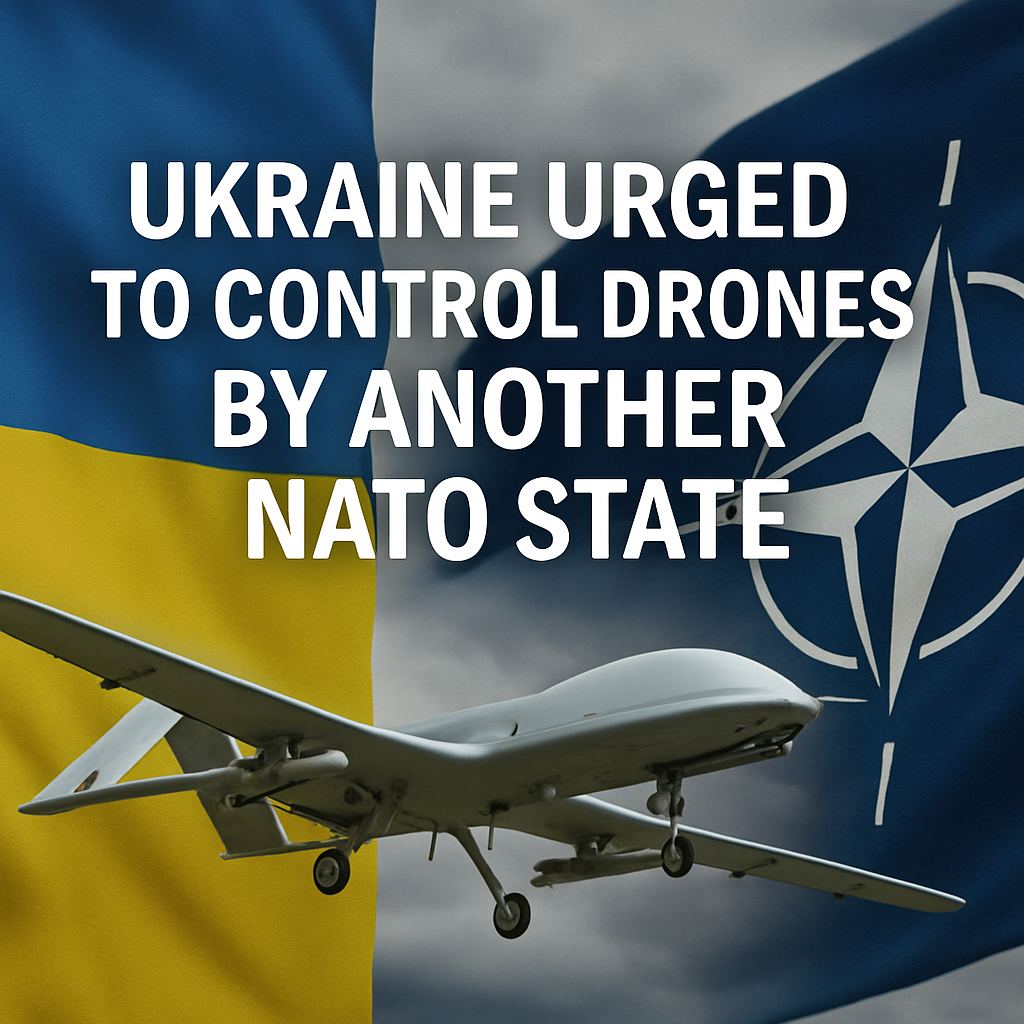
Ukraine Urged to Control Drones by Another NATO State
Ukraine Urged to Control Drones by Another NATO State
In the ongoing conflict involving Ukraine and Russia, the importance of drone technology has come to the forefront, prompting calls from NATO allies for a more rigorous control over drone capabilities in Ukraine. This discussion is particularly highlighted by Estonia’s recent statements advocating for enhanced regulation of drone technology to ensure effective and responsible usage.

The Role of Drones in Modern Warfare
Drones have become critical assets in modern warfare, offering surveillance, reconnaissance, and, increasingly, offensive capabilities. Ukraine has recognized this potential, resulting in a substantial integration of drones into its military strategy against Russian forces. Reports indicate that Ukrainian forces have utilized drones for everything from gathering intelligence to precision strikes, significantly influencing the battlefield dynamics.

However, the proliferation of drone technology also raises complex issues. As Estonia has pointed out, irresponsible or indiscriminate use of drones can lead to unintended consequences, including civilian casualties and escalation of conflict. This perspective aligns with concerns expressed by various NATO members regarding the ethical implications of drone warfare and the potential for miscommunication and violations of international law.

Calls for Regulation and Coordination
Estonia’s officials have emphasized the necessity to establish firm operational guidelines regarding drone deployment. Given that Ukraine is reliant on support from NATO allies, they argue that a structured approach is essential. The suggestion includes creating a centralized command or coordination system that can oversee drone operations, ensuring that they adhere to established combat rules and minimize risks to non-combatants.
This initiative is not without its challenges. On one hand, ensuring compliance with such regulations could strengthen Ukraine’s military operation and fortify its stance in negotiations with Russia. On the other, the implementation of regulatory frameworks may delay tactical responses in dynamic combat situations, potentially sacrificing immediate operational effectiveness for longer-term ethical governance.
NATO’s mixed sentiments highlight further complexities. While some states, particularly those in Northern Europe like Estonia, urge a controlled framework, others may prioritize immediate military advantages over regulatory considerations. This divide illustrates the delicate balance NATO faces between supporting Ukraine’s autonomy and enforcing collective standards aimed at reducing harm.
The Path Forward: Balancing Tactics and Ethics
The discussion surrounding drone use in the Ukraine conflict reveals a broader dilemma within NATO. The alliance, while committed to backing Ukraine, also grapples with the implications of its support, especially concerning drone warfare ethics. The call for stricter control by Estonia underscores a growing awareness of the potential for misuse of such technology and the political fallout that could ensue from unregulated operations.
A comprehensive approach to drone regulation would likely involve:
– Establishing Clear Rules of Engagement: NATO allies could collaborate to create universally accepted operating frameworks tailored to drone use in conflict zones.
– Training and Support: Providing Ukrainian forces with training on the responsible use of drone technology could ensure that they understand both operational tactics and ethical responsibilities.
– Monitoring and Accountability: Instituting monitoring systems for drone operations to ensure compliance with regulations and address violations when they occur.
While the use of drone technology poses various tactical advantages, allies must also weigh these benefits against the risks of exacerbating civilian harm and ethical misconduct in warfare.
As the conflict evolves, the discourse on drone regulation underscores NATO’s complex dynamics in supporting Ukraine while encouraging responsible military conduct. The combination of immediate tactical needs and long-term ethical considerations is critical in navigating this multifaceted issue.
In conclusion, as Ukraine continues to innovate and adapt its military strategies, the role of external influences—particularly from NATO states—will significantly shape the discourse around drone use. Balancing operational effectiveness with regulatory oversight will remain a pivotal challenge as the situation develops.















