Russia Strikes Kyiv as Eastern Ukraine Advance Stalls
Russia Strikes Kyiv as Eastern Ukraine Advance Stalls
Recent developments in the ongoing conflict in Ukraine have seen Russia intensify its military operations in and around Kyiv, while its advances in Eastern Ukraine appear to have slowed significantly. This unexpected escalation, coupled with a stagnation in territorial gains in the east, raises critical questions about the shifting dynamics of the conflict and the underlying strategies of both Russian and Ukrainian forces.

Heightened Attacks on Kyiv
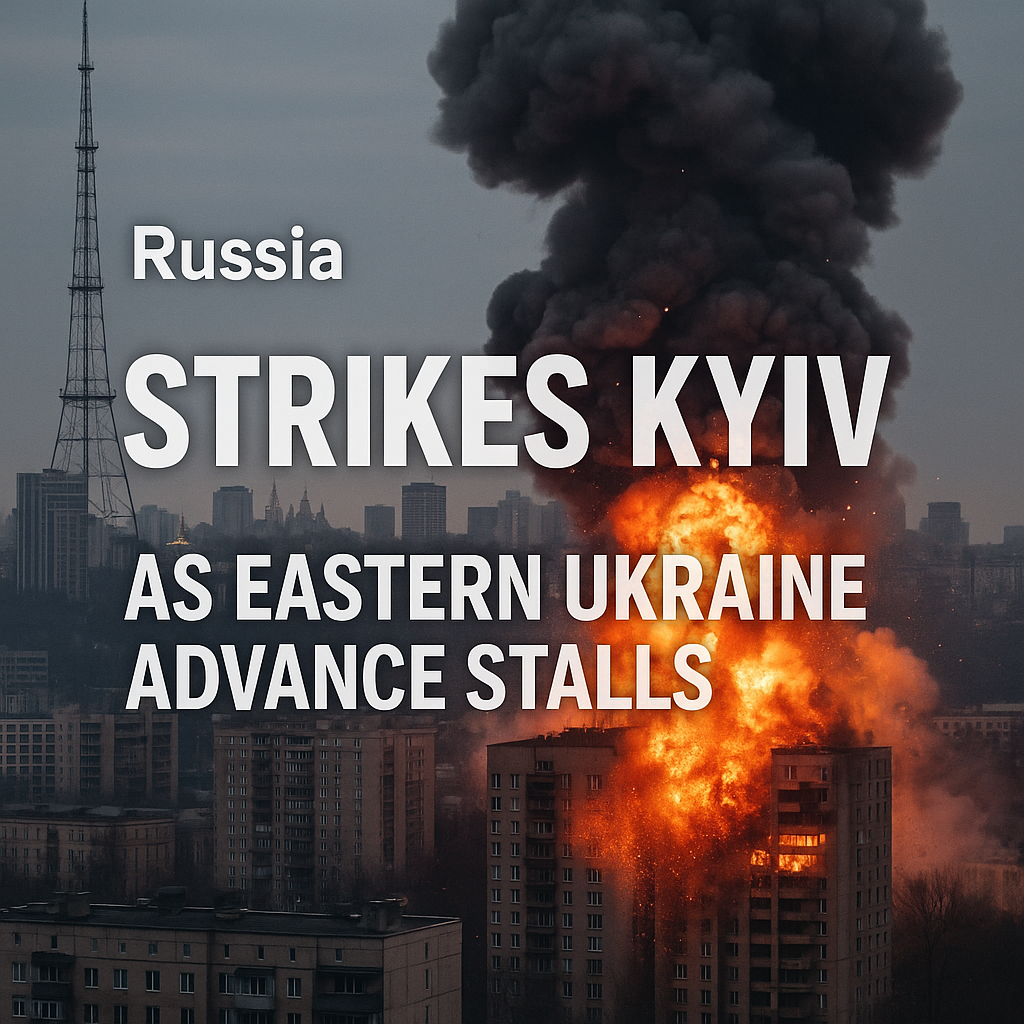
Reports indicate that Kyiv has become a focal point for renewed Russian assaults, with missile strikes and drone attacks targeting various sectors of the city. Al Jazeera reports that the intensified bombing has led to civilian casualties and destruction, marking a stark return to the airstrikes that characterized the early phases of the war. Eyewitness accounts recount scenes of panic and chaos as emergency services scramble to respond to the latest wave of attacks, with residents expressing a mix of fear and resilience.

In contrast, Russian media outlets portray these strikes as strategic military operations aimed at crippling Ukraine’s infrastructure and command capabilities. They argue that these strikes are essential to achieving military objectives, maintaining that Kyiv’s continued ability to resist is a direct threat to Russia’s interests in the region. However, the efficacy and justification of such attacks are met with criticism internationally, as civilian areas bear the brunt of this violence.

Eastern Front: Stall or Strategy?
While Kyiv is experiencing this resurgence in hostilities, the situation in Eastern Ukraine is markedly different. Reports indicate that Russian forces have slowed their offensive operations, with some military analysts suggesting this may be due to logistical challenges or resource constraints. This perceived stall in the east raises questions about Russia’s operational capacity and long-term military strategy.
According to various news sources, including RT, Russia has faced difficulties in maintaining momentum in Eastern Ukraine, with Ukrainian forces showing stronger resistance than anticipated. The Ukrainian military has reportedly been emboldened by recent successes in defending critical positions, leading to a recalibration of strategies on both sides. There exists a tangible sense of uncertainty about whether this stagnation is a tactical pause for regrouping by Russia or an indication of deeper systemic challenges within its military structure.
The International Implications
The renewed violence in Kyiv and the situation in Eastern Ukraine emphasize the complex interplay between military strategy and international diplomacy. Many geopolitical analysts argue that continued attacks on civilian areas and failures to secure significant territorial gains will likely draw further international condemnation and could affect support from Russia’s allies. The potential for increased sanctions and diplomatic isolation becomes more pronounced as global observers take note of the humanitarian implications of these military actions.
In turning the lens toward Western responses, there is a dual strategy emerging—continued military support for Ukraine coupled with pointed calls for peace negotiations. The United States and its NATO allies are faced with the dilemma of balancing military assistance against the backdrop of escalating violence, all while pressuring Russia for a de-escalation. As reported by Sky News, there is a palpable concern that without a sustained resolve from the international community, violence could continue unabated, complicating potential resolutions to the conflict.
Conclusion: Uncertainty Ahead
As Russia strikes Kyiv while struggling for advancement in Eastern Ukraine, the situation remains fluid and fraught with uncertainty. The juxtaposition of heightened military action in the capital against stalled efforts in the east highlights the unpredictable nature of warfare, where local sentiments, international pressures, and strategic recalibrations can shift rapidly. Moving forward, the question remains whether this renewed focus on Kyiv signifies a diversion, a tactical reset, or a sign of waning Russian capability.
With escalating tensions and the potential for further military action, a comprehensive understanding of both sides’ motives may be the key to anticipating future developments in this ongoing conflict. As the international community watches closely, the next moves by both Russia and Ukraine will be crucial in determining the trajectory of this protracted crisis.