
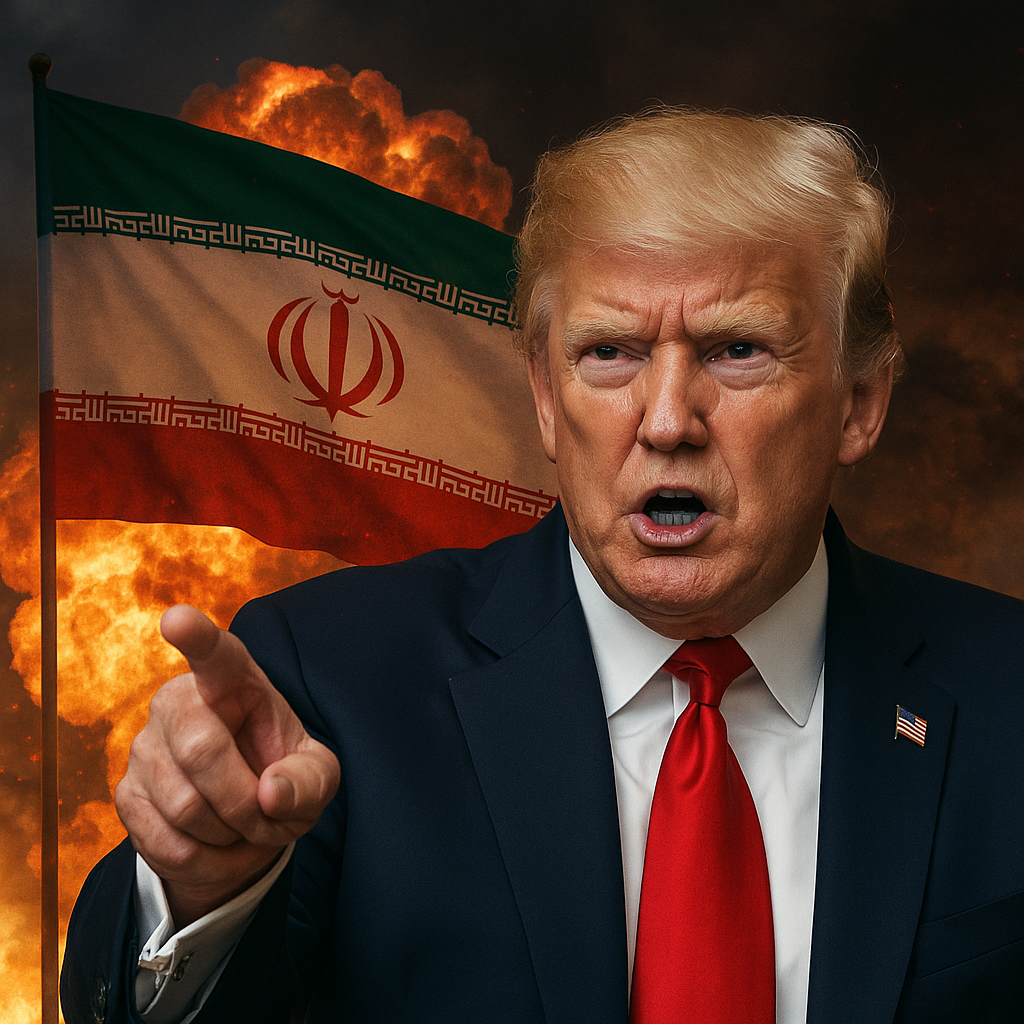
Trump Threatens Iran: ‘Nothing Left’ if Talks Stall
Trump’s Stark Warning: Consequences for Iran
In a recent series of statements, former President Donald Trump has dramatically intensified his rhetoric against Iran, threatening that there would be “nothing left” of the country if diplomatic talks fail. This escalation comes amid ongoing tensions regarding Iran’s nuclear program and its regional influence, raising significant concerns about the implications for international relations and stability in the Middle East.

The Context of Trump’s Threats
Trump’s comments were made during a recent interview, where he emphasized the urgent need for a resolution to ongoing negotiations regarding Iran’s nuclear ambitions. His remarks reflect a broader narrative of a hardline approach that has characterized his administration’s foreign policy. According to reports from Al Jazeera, Trump asserted that the U.S. must take a firm stance, implying that the lack of effective dialogue could lead to severe consequences for Iran.

This combative tone is not without precedent. Trump’s presidency was marked by a withdrawal from the Joint Comprehensive Plan of Action (JCPOA) in 2018, a deal designed to restrict Iran’s nuclear program in exchange for sanctions relief. The withdrawal led to escalating tensions, and since then, various skirmishes and retaliations have heightened fears of a military confrontation.

A Divided Perspective on Actions and Implications
In the wake of Trump’s statements, opinions on his approach have been polarized. Supporters of a hardline stance argue that a show of strength is necessary to deter Iran from pursuing nuclear capabilities and increasing its leverage in the region. Proponents believe that this approach could pressure Iran into compliance, arguing that weakness in diplomatic negotiations could embolden the regime further.
Conversely, critics warn that such inflammatory rhetoric could provoke further instability. A report from RT highlighted concerns from international relations experts who suggest that heightened threats may lead to an escalation rather than resolution, potentially igniting conflict in an already volatile region.
The nuances of this situation are underscored by contrasting opinions on effective communication with Iran. While some analysts argue that more aggressive tactics could yield positive results, others contend that diplomatic channels must remain open to prevent misunderstandings that might spiral into larger conflicts.
What Lies Ahead for Iran and the U.S.
The future of U.S.-Iran relations remains uncertain, especially considering the mixed signals coming from Washington. The Biden administration appears to be approaching the situation more cautiously, indicating a desire to re-enter negotiations with Iran to contain its nuclear program. However, Trump’s recent remarks complicate this dynamic by injecting discord into discussions that may have otherwise sought to promote diplomatic engagement.
The question remains whether Trump’s hardline tactics will significantly shape the Biden administration’s approach moving forward. Analysts have noted that while the former president’s influence remains substantial among certain political factions, there exists a critical discourse advocating for renewed dialogue rather than escalation.
Conclusion: Navigating a Complex Landscape
As the situation unfolds, the implications of Trump’s threats must be weighed carefully against historic precedents and the current geopolitical climate. The conversation surrounding U.S.-Iran relations is far from simple, encompassing a multitude of factors, including regional alliances, nuclear proliferation risks, and broader global security concerns.
In conclusion, Trump’s declared consequences for Iran underline an urgent reality: the complexity of international diplomacy requires a delicate balance between firm rhetoric and the necessity for constructive conversations. The path forward will demand not only judicious messaging but also a commitment to ongoing engagement with diverse viewpoints within the realm of foreign policy.















