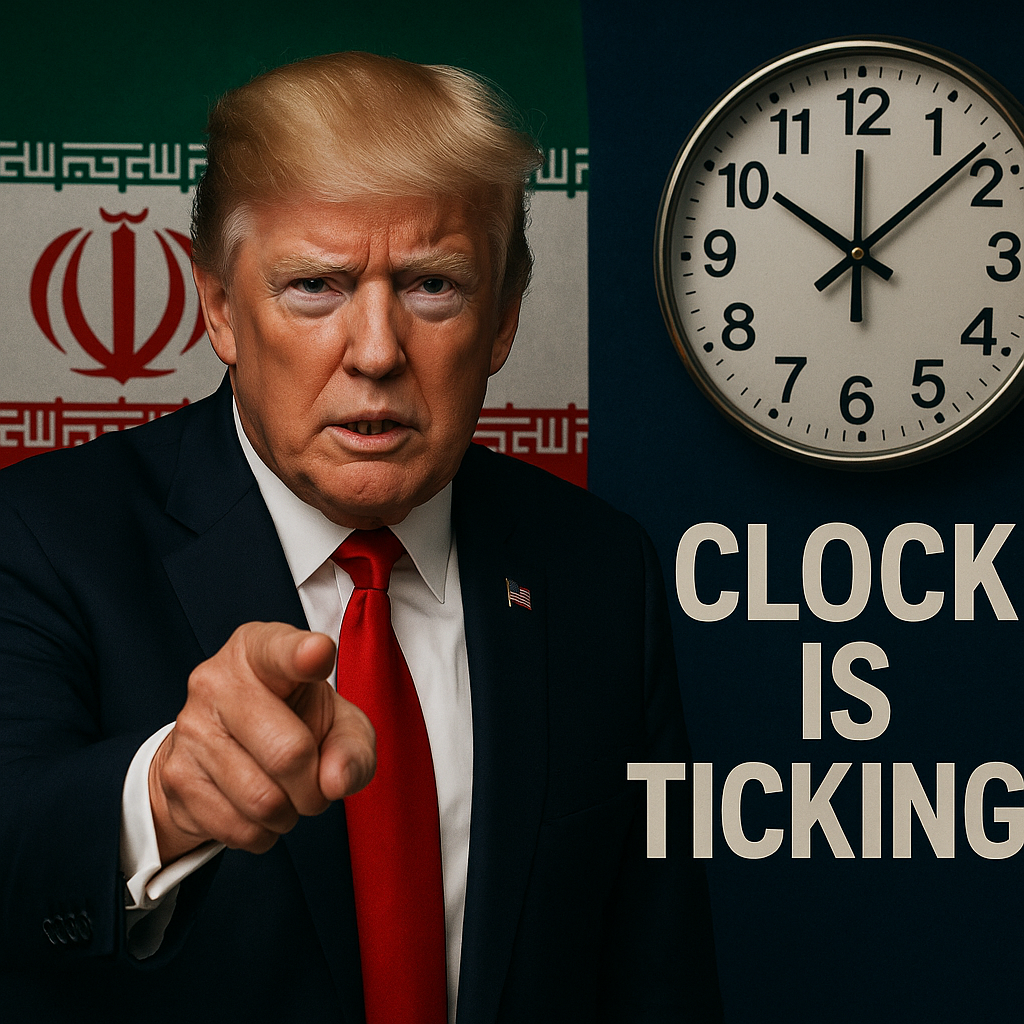
Trump Warns Iran: ‘Clock Is Ticking’ on Rising Tensions
Trump Warns Iran: Rising Tensions and Uncertain Futures
In a dramatic statement reflecting the escalating geopolitical landscape, Donald Trump recently cautioned Iran that the “clock is ticking” regarding its actions in the Persian Gulf. The former U.S. president’s rhetoric is not merely political theater; it underscores a complex and multi-layered conflict involving regional actors, global implications, and international policy’s precarious balance.

The Current State of Affairs
The relationship between the United States and Iran has long been fraught, characterized by periods of relative stability punctuated by significant hostilities. Trump’s warning comes amid escalating tensions, particularly concerning Iran’s nuclear ambitions and its influence in the region through proxy groups. Reports indicate that U.S. military presence in the Gulf has increased as a deterrent against Iranian aggression, reflecting heightened anxiety over Tehran’s activities in the Strait of Hormuz, a crucial maritime chokepoint.

Iran’s recent maneuvers, including missile tests and aggressive naval exercises, have raised alarms among policymakers. The situation is compounded by accusations of Iranian proxies targeting U.S. interests in Iraq and Syria. Observers note that such actions not only challenge U.S. authority but also embolden Iran’s regional agenda, prompting the necessity for a strong response from the international community.

Diverging Perspectives on Response
Responses to Trump’s warning reveal a spectrum of opinions from political analysts and international observers:
Support for a Tough Stance
Supporters of a hardline approach argue that a firm display of military resolve could curtail Iran’s ambitions. They point to historical precedents where decisive action led to a de-escalation of tensions. For instance, former officials from the Trump administration maintain that a show of force, coupled with stringent sanctions, is essential for compelling Iran to comply with international norms regarding nuclear development.
– Increased naval presence in the Strait of Hormuz
– Strengthened sanctions targeting key Iranian industries
– Diplomatic isolation through alliances with regional partners
Calls for Diplomacy
Conversely, a significant faction advocates for renewed diplomatic efforts. Critics of a militaristic approach often highlight the risks of escalation, arguing that provocative language could lead to misunderstanding and unintended conflict. These analysts assert that engaging Iran in dialogue, perhaps even revisiting negotiations akin to the 2015 nuclear deal, could provide a more stable framework for addressing mutual concerns.
– Emphasizing dialogue over military posturing
– Potential benefits of re-entering the JCPOA (Joint Comprehensive Plan of Action)
– Engaging European allies to mediate discussions
This divide reflects broader opinions within the U.S. political landscape, where the approach to Iran has become increasingly polarized. The debate intertwines with the upcoming U.S. elections, where foreign policy remains a potential pivot point for candidates seeking to establish their credentials.
The Way Forward: Weighing Evidence and Sentiments
The stakes are undoubtedly high, and Trump’s warning encapsulates the urgency of the situation. As tensions mount, it becomes crucial to consider a balanced perspective that weighs military readiness against the potential for diplomatic breakthroughs. While a strong military posture may act as a deterrent, the long-term solution likely lies in a combination of strategies, leveraging both pressure and engagement.
The international community must navigate this complex scenario wisely, balancing the necessity of ensuring regional security with the overarching goal of preventing further escalation. The approach taken now will define not only U.S.-Iran relations but also set the tone for how the global stage might respond to future crises.
The lack of consensus from politicians and analysts alike leaves inherent uncertainties about the future. A vigilant watch is required, with an emphasis on preparing for various outcomes—from continued tension and conflict to unexpected opportunities for diplomatic resolution. As the clock ticks, the choices made in these critical weeks may echo for years to come, impacting not only Iran but the broader geopolitical landscape.