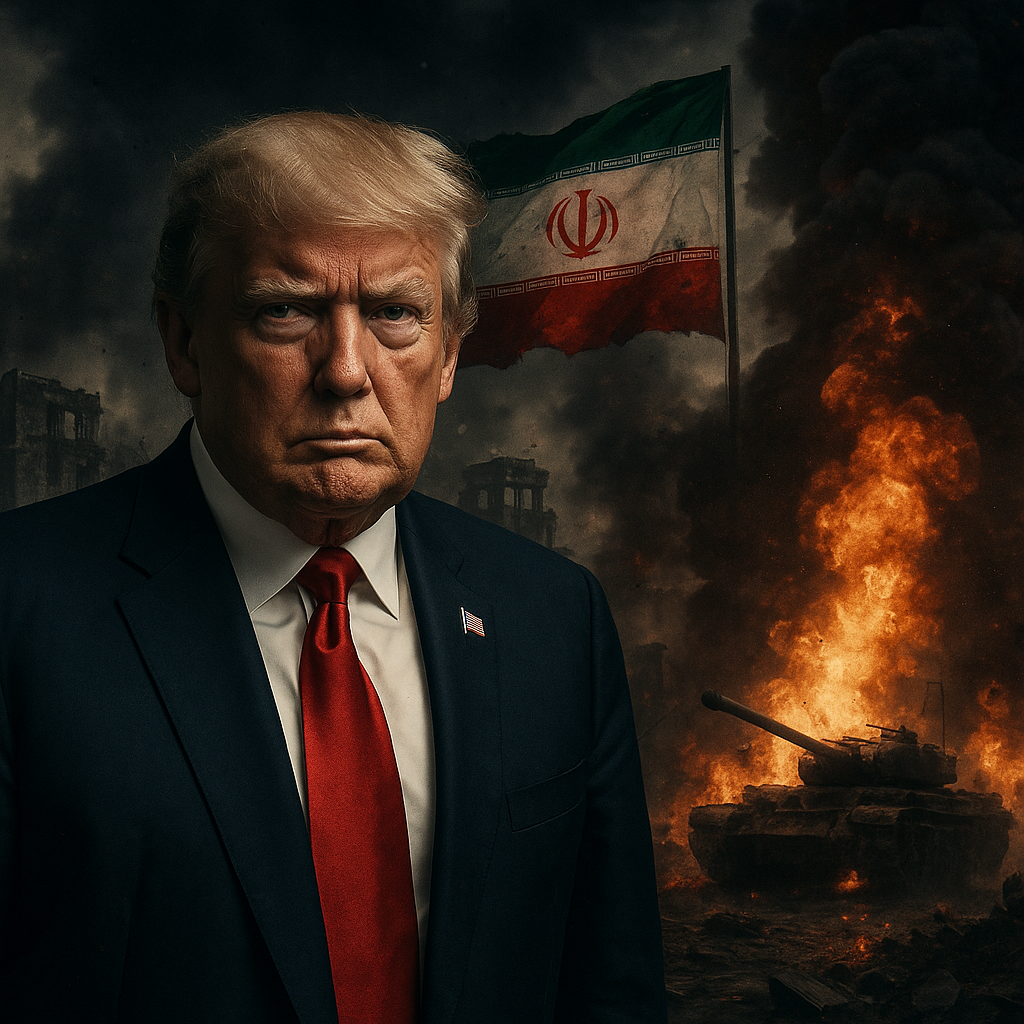
Trump’s War with Iran: A Shocking Tale of Horror and Carnage
Trump’s War with Iran: A Shocking Tale of Horror and Carnage
The conflict between the United States and Iran has escalated significantly in recent years, particularly during Donald Trump’s presidency. This intense geopolitical confrontation has unfolded a narrative laden with horror and carnage, affecting not only those directly involved but also global stability.

The Roots of Conflict
To understand the current situation, it’s essential to recognize the historical context. Tensions between the U.S. and Iran date back to the 1979 Iranian Revolution, but the dynamics shifted dramatically in May 2018 when Trump unilaterally withdrew from the Iran nuclear deal, formally known as the Joint Comprehensive Plan of Action (JCPOA). This decision not only escalated existing tensions but also imposed a series of stringent sanctions aimed at crippling Iran’s economy.

While Trump’s administration touted the withdrawal as a means to “put pressure” on Iran to negotiate a better deal, critics argue that it only intensified hostilities. A Sky News report vividly captures the immediate consequences of these actions, noting that the sanctions led to severe humanitarian crises, including food shortages and rampant inflation in Iran. The resultant despair has created a fertile ground for exacerbated anti-American sentiments and domestic discontent.

A Cycle of Violence
As tensions mounted, 2020 saw an escalation that many observers deemed an alarming step toward war. The U.S. military’s targeted killing of Iranian General Qasem Soleimani in Baghdad was a pivotal moment. This event was celebrated by Trump supporters as a robust show of strength. However, it ignited a wave of Iranian retaliation that has since spiraled into chaos. Al Jazeera reported that Iran launched missile strikes on U.S. military bases in Iraq almost immediately following the assassination, marking a dangerous retaliatory cycle.
As of 2023, the conflict remains unresolved, with violence continuing in various forms. The impact on civilian populations has been devastating. Reports indicate that drone attacks and retaliatory strikes have led to significant civilian casualties, further complicating the moral landscape of a conflict that many argue lacks clear justification. The alarming frequency of these incidents has fostered a perception of perpetual instability in the region.
The Human Cost of Policies
One of the most chilling aspects of this ongoing conflict is its human toll. An analysis of reports from multiple sources reveals that innocent civilians bear the brunt of these confrontations. The war has not only decimated populations in combat zones but has also fueled a refugee crisis as thousands seek asylum from violence. As articulated by various human rights organizations, the humanitarian crisis stemming from Trump’s policies has ramifications that extend far beyond geographic boundaries, as countries worldwide grapple with the influx of displaced individuals.
Moreover, the psychological ramifications of sustained conflict—especially among younger generations—cannot be overlooked. The trauma experienced by those witnessing or experiencing violence profoundly affects societal fabric and governance in both Iran and regions impacted by U.S. interventions.
Geopolitical Repercussions
The implications of Trump’s actions reach far beyond Iran itself. A divisive conversation surrounds the idea of American interventionism. Proponents argue that strong action is necessary to contain alleged Iranian aggression, while critics assert that ongoing military engagement leads to global instability and war fatigue among the American populace.
As the situation stands, countries such as Russia and China have increasingly sought to fill the power vacuum left by the U.S.’s tumultuous foreign policy. The lack of a cohesive strategy has led to a fragmented approach, where allies feel insecure and adversaries emboldened, causing a global diplomatic quagmire. A comprehensive understanding of this geopolitical landscape is critical for formulating any future U.S. policies regarding Iran.
Conclusion: A Call for Reflection
As we evaluate the outcome of Trump’s confrontational strategy with Iran, it’s imperative to reflect seriously on the lessons learned. The continuing cycle of violence, the steadily rising civilian toll, and the broader implications for regional stability necessitate a nuanced understanding of international relations.
In the end, while the allure of decisive military action may dominate discussions, the evidence strongly suggests that diplomatic engagement and cooperation will yield more sustainable outcomes in the long run. The tales of horror and carnage should serve as a stark reminder that the stakes are incredibly high—not only for those directly involved but for global peace and security as well.