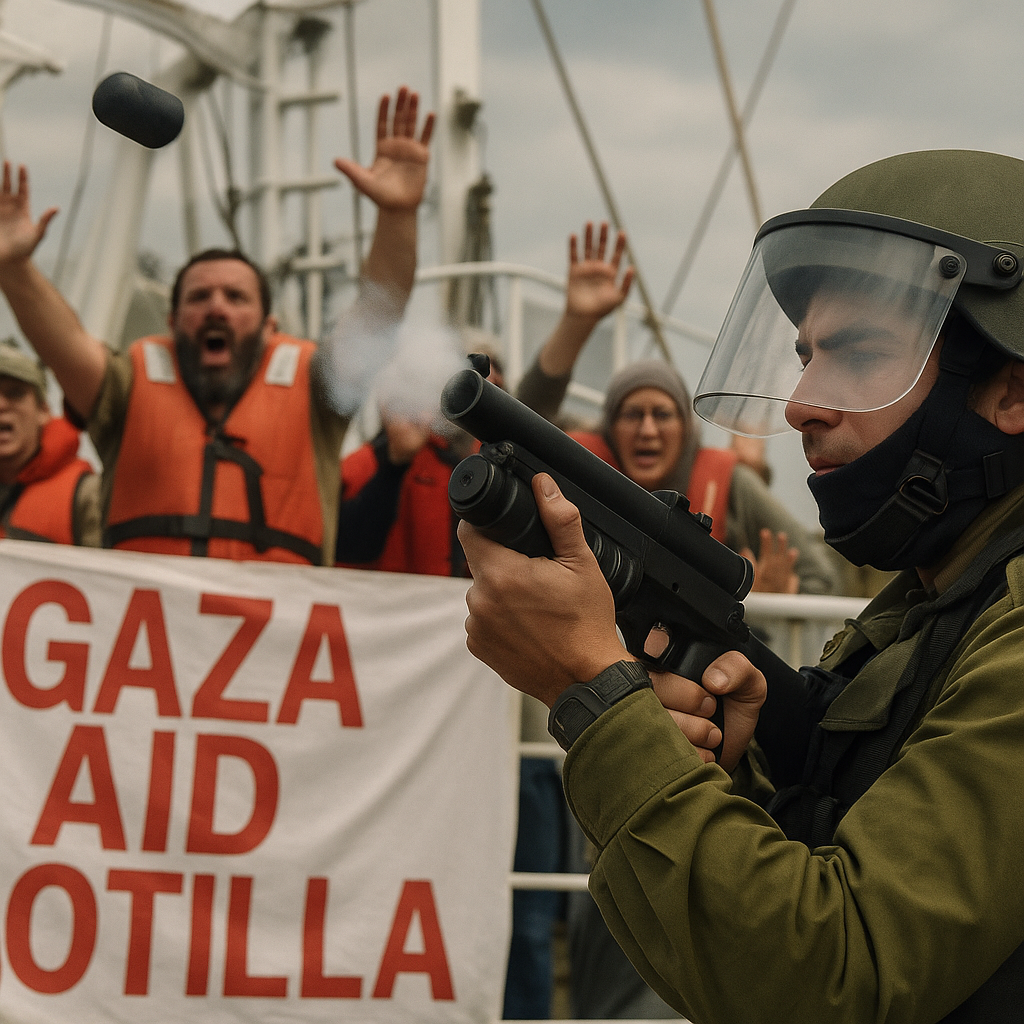
Israeli Forces Fire Rubber Bullets at Gaza Aid Flotilla Activists
Tensions Rise as Israeli Forces Fire Rubber Bullets at Gaza Aid Flotilla Activists
Recent events surrounding the Gaza aid flotilla have highlighted a significant escalation in tensions between Israeli forces and activists seeking to deliver humanitarian assistance to Gaza. The Israeli military’s use of rubber bullets against activists has raised concerns about the methods employed to enforce the naval blockade on the region.

The Incident: A Closer Look
On May 19, 2026, Israeli forces fired rubber bullets at activists on a flotilla aiming to deliver humanitarian supplies to Gaza. This incident occurred amidst a backdrop of rising tensions and ongoing reports of humanitarian crises exacerbated by the blockade. According to Al Jazeera, the flotilla was composed of multiple vessels carrying essential materials, including medical supplies and food, aimed at alleviating the pressing needs of Gazans.

Witnesses recount that before the firing of rubber bullets, Israeli naval forces issued warnings to the flotilla to divert from its course. Activists assert that the blockade infringes on their right to deliver aid and meet humanitarian obligations. “We are simply trying to help our brothers and sisters in Gaza,” said one activist, reflecting the sentiments of many involved in the flotilla.

Conversely, Israeli officials have defended their actions by citing national security concerns. They argue that the flotilla’s intentions are murky and that they cannot allow unauthorized ships to approach the coast of Gaza, asserting the necessity of maintaining the blockade. This viewpoint resonates with a segment of the Israeli public who believe that strict measures are warranted to protect against potential threats.
Perspectives on the Use of Force
The use of rubber bullets has sparked a heated debate among human rights advocates and military analysts. Critics of the Israeli military’s tactics argue that rubber bullets can cause serious injuries and represent an excessive use of force in a situation that could have been managed differently. Various human rights organizations are calling for an independent investigation into the incident, emphasizing the need for accountability in cases where live ammunition is exchanged against unarmed activists.
On the other hand, some commentators suggest that the Israeli military was acting within its rights. They contend that the flotilla’s defiance of Israeli orders posed a significant risk. This viewpoint leans on the notion of maintaining law and order within disputed territories, especially given the tense historical context of the Israeli-Palestinian conflict.
However, the impact of these confrontations goes beyond immediate injuries. The ongoing tensions could potentially galvanize more activism and draw international scrutiny. Many analysts believe that the depiction of activists facing state-sponsored aggression can shift narrative perceptions on a global scale, rallying support for humanitarian efforts in Gaza.
Humanitarian Implications: A Complex Landscape
The aim of humanitarian scrutiny amidst these confrontations emphasizes a complicated moral narrative. Proponents of the flotilla argue that the restrictions on aid are tantamount to collective punishment, which contravenes international law principles. Gaza poses a unique humanitarian crisis, with reports indicating that a significant portion of its population relies on aid to meet basic needs.
In contrast, supporters of the blockade argue that it is necessary to prevent arms smuggling into Gaza, which could empower militant groups. This perspective often points to previous instances where humanitarian vessels were allegedly misused to transport arms rather than aid.
The reality, however, is complex. The humanitarian situation in Gaza continues to deteriorate, worsened by the ongoing blockade and intermittent military conflicts. Reports indicate that basic supplies, including clean water and medical resources, remain scarce, leading to urgent calls for open access for humanitarian workers.
Conclusion: The Need for Dialogue
As tensions flare and incidents like those involving the Gaza aid flotilla occur, the international community faces a pressing challenge: seeking dialogue over escalation. While the fear of violence and the desire to protect national security remains paramount in the minds of many, it’s crucial to remember the humanitarian implications of these events.
There is no easy resolution to this deeply rooted conflict; however, acknowledging the complexities of both military security and humanitarian needs is essential. Open dialogues, supported by transparent investigations into the use of force, could bridge some divides, providing both safety and aid to those caught in the crossfire of these contentious issues.
In a world where humanitarian crises demand attention, navigating the narratives and actions surrounding the Gaza aid flotilla is an urgent step towards ensuring that aid reaches those who desperately need it, while also maintaining necessary security measures in a complicated geopolitical landscape.