
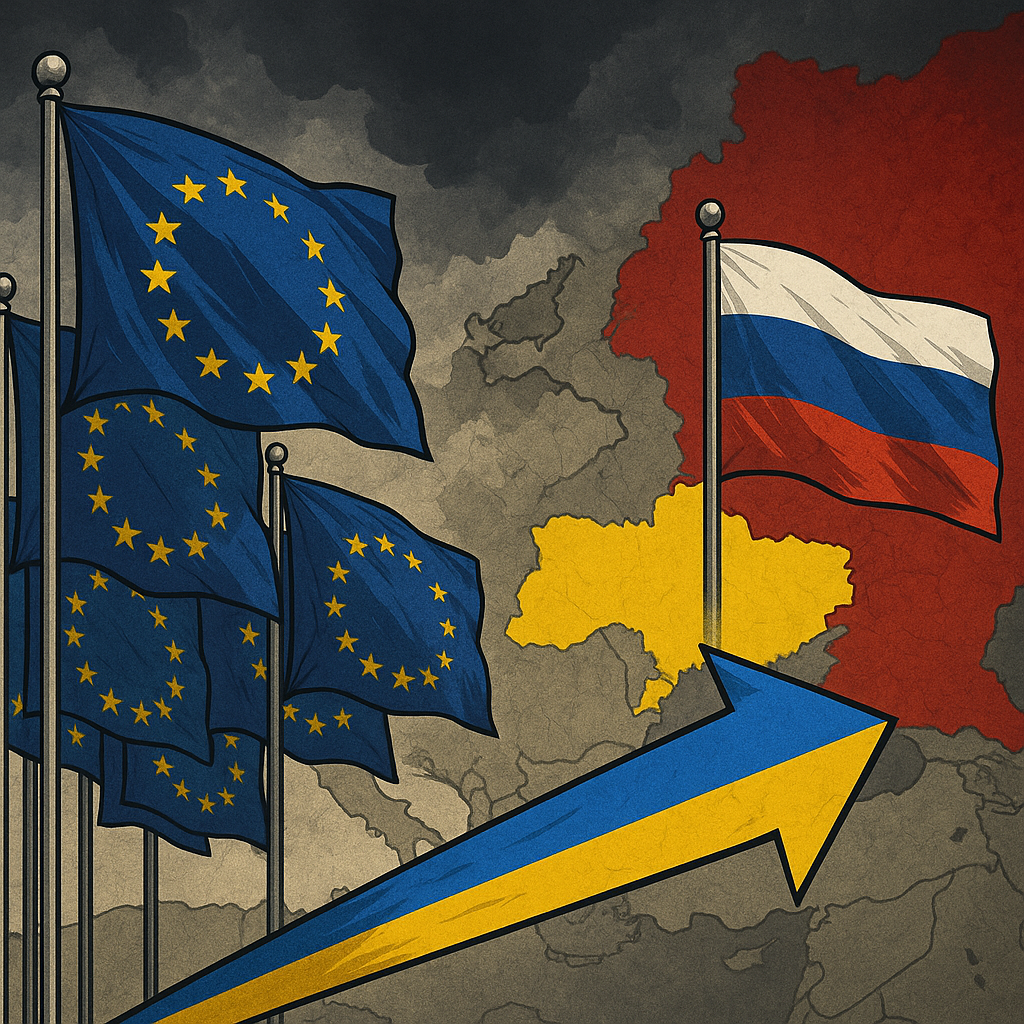
EU States Challenge Russia Over Kyiv Threat
EU States Challenge Russia Over Kyiv Threat

Tensions have escalated as multiple EU states have taken a stand against perceived threats from Russia regarding Ukraine. With diplomatic maneuvers intensifying, countries like Belgium and France have recently summoned Russian envoys, reflecting a unified stance among several European nations against the Kremlin’s aggressive posturing.

Growing Diplomatic Friction
In the wake of provocative statements from Russian officials, EU countries are evaluating their response strategies. Al Jazeera reported that Belgium and France are the latest in a series of nations to summon Russian diplomats to express their unease. These diplomatic actions are more than mere statements; they illustrate a broader commitment among EU states to support Ukraine amid ongoing threats from Russia.

Belgian Foreign Minister Hadja Lahbib emphasized the need for a “unified response” from European nations, advocating for a robust diplomatic approach to counter any aggressive actions. France echoed this sentiment, highlighting the responsibility of EU member states to stand in solidarity with Ukraine. The summoning of envoys signals a clear message: aggressive rhetoric will not go unanswered.
Divergent Perspectives on Russia’s Posture
While many EU states are aligning their positions, there remains a divergence in how to approach Russia. Some nations, especially those in Eastern Europe, advocate for stronger military support for Ukraine, fearing that inadequate responses could embolden Russian aggression. For instance, Poland and the Baltic states have consistently called for an increased NATO presence in the region, arguing that the security of Europe hangs in the balance.
Conversely, Western European nations like Germany and France are advocating for a balanced strategy that combines firmness with diplomatic dialogue. This perspective suggests that while deterrents are crucial, engagement could also lead to more constructive outcomes in the long term. French President Emmanuel Macron, in a recent statement, indicated the importance of maintaining channels for discussion, even with adversaries.
The Impact of Economic Sanctions
In addition to diplomatic measures, economic sanctions continue to play a pivotal role in the EU’s strategy against Russia. The European Union has previously imposed a series of sanctions aimed at crippling key sectors of the Russian economy, including finance, energy, and defense. As these sanctions evolve in response to Russia’s actions, the economic impact on both Russia and the EU will be pivotal in determining the future dynamics of this conflict.
Reports suggest that the European economy is grappling with the repercussions of these sanctions. Some economists warn that prolonged sanctions could lead to economic instability within Europe, potentially weakening overall unity against Russia. Nevertheless, many EU leaders stress that the morality of supporting Ukraine outweighs the economic costs, viewing it as a necessary sacrifice in the quest for peace and sovereignty in the region.
Uncertainties Ahead
Despite the apparent consensus among EU states, uncertainties remain about the long-term implications of these diplomatic efforts. Will the summoning of envoys lead to a meaningful dialogue, or is it merely a symbolic gesture? Additionally, as NATO continues to assess its posture in Eastern Europe, how will Russia respond to these collective challenges?
While the EU has shown resilience and solidarity against Russian threats, the outcomes are unpredictable. The balance between military preparedness and diplomatic diplomacy will be crucial, as the conflict drags on and both sides seek to exert influence over Ukraine.
In summary, the challenge posed by Russia’s threats to Ukraine has united several EU states in a robust response, combining diplomatic efforts with economic measures. As nations navigate this complex landscape, the interplay between military readiness and diplomatic engagement will determine the trajectory of EU-Russia relations and the fate of Ukraine amidst rising tensions.















