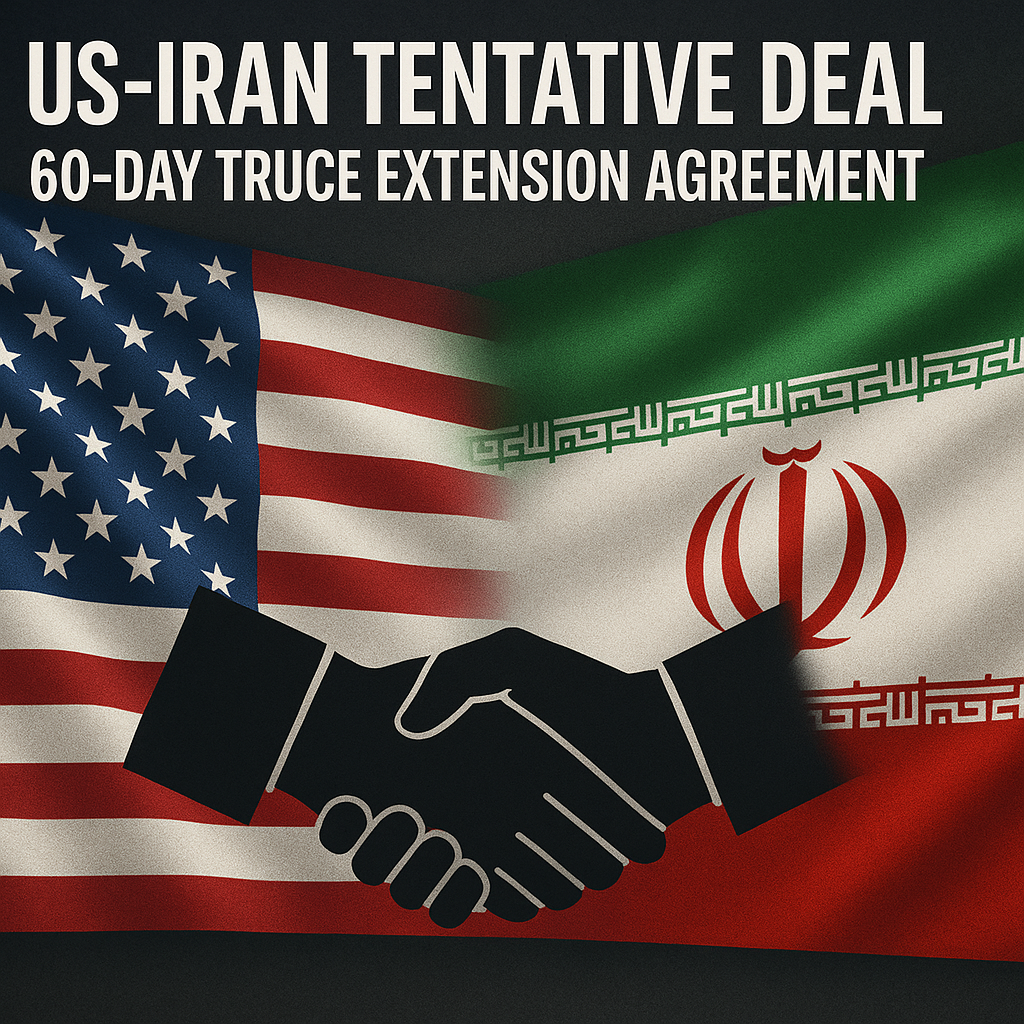
US-Iran Tentative Deal: 60-Day Truce Extension Agreement
Understanding the US-Iran Tentative Deal: 60-Day Truce Extension Agreement
In recent developments, the United States and Iran have reached a tentative deal for a 60-day extension of their ongoing truce. This agreement, which seeks to stabilize relations in the region, marks a significant albeit cautious step towards de-escalation of conflicts involving multiple stakeholders.

The Context of the Truce
The tentative truce extension arises in a volatile geopolitical environment where tensions between the two nations have escalated over the years. Since the withdrawal of the United States from the Joint Comprehensive Plan of Action (JCPOA) in 2018, relations have been strained by a series of sanctions and military escalations. The recent truce, initially brokered to reduce immediate hostilities, has now opened a window for negotiation that both sides see as an opportunity to address long-standing issues.

According to reports from Al Jazeera, US and Iranian officials have expressed cautious optimism about the potential for the deal to pave the way for further dialogue. While no substantial agreements have been reached on the underlying nuclear and military concerns, the truce provides a framework for ongoing communication. Participants in the negotiations have indicated that the focus will remain on regions where both nations hold conflicting interests, with hopes that this could lead to broader peace talks.

Perspectives on the Agreement
Diverse viewpoints emerge regarding the truce extension. Proponents argue that a sustained truce is essential not only for immediate regional stability but also for long-term diplomatic efforts. They emphasize that maintaining lines of communication can prevent misunderstandings that might lead to military confrontations. Furthermore, easing some tensions may encourage Iran to engage more productively in talks regarding its nuclear program and regional activities.
On the other hand, critics remain skeptical about the overall effectiveness of such arrangements. In an analysis by RT News, some experts highlight the lack of enforceable mechanisms within the deal, arguing that the absence of serious commitments may render the truce ineffective. They contend that without a tangible framework outlining specific concessions or goals, a mere extension of the truce could lead to a cyclical pattern of negotiation without real progress.
Moreover, geopolitical considerations complicate the narrative. For instance, other regional players such as Saudi Arabia and Israel may feel sidelined in these discussions, leading to potential backlash against any agreements perceived as favoring Iran. This multipolar dynamic adds layers of complexity to the truce, necessitating careful navigation to avoid escalating a wider conflict.
The Uncertainty Ahead
While the 60-day truce extension is a step forward, uncertainties linger about its long-term implications. Experts acknowledge that the agreement is more of a temporary fix than a comprehensive solution. The divided opinions underscore the reality that negotiations surrounding US-Iran relations involve not just bilateral elements but also a broad array of regional dynamics.
As analysts continue to weigh the potential outcomes, the intricate dance of diplomacy will likely play a significant role in shaping the region’s future. Keeping open lines of communication is crucial, yet it is equally important to foster a negotiation environment that incentivizes both nations to go beyond ceasefires.
In conclusion, while the tentative agreement for a 60-day truce extension between the US and Iran signifies a moment of cautious optimism, it reflects the complexity and unpredictability that define international relations in the region. Stakeholders will need to remain vigilant in monitoring developments, as the path toward lasting peace remains fraught with challenges.