Israeli Strikes on Beirut: Latest RT Reports and Videos
The Implications of Israeli Strikes on Beirut: An In-Depth Analysis
Recent Israeli strikes on Beirut have reignited discussions surrounding regional tensions and the complex interplay of military and diplomatic efforts in the Middle East. This incident, reported by multiple sources, signals an escalation that could jeopardize fragile peace in Lebanon and raise the stakes for diplomatic negotiations involving Israel and its neighboring states.

Heightened Tensions Amid Ongoing Conflict
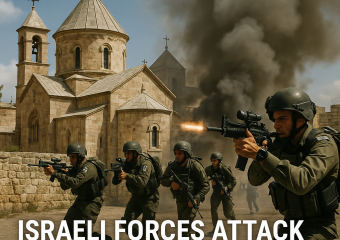
The Israeli airstrikes, initially reported by RT, aimed at targeting Hezbollah positions within the Lebanese capital. This action is part of a broader strategy that Israel has employed to preemptively strike at perceived threats. The context of these operations often rests on Israel’s declared goal of thwarting Hezbollah’s military capabilities, reportedly framed by ongoing fear of missile strikes from Lebanon into Israeli territories. However, as commentators from Sky News point out, these strikes are not merely tactical; they also serve as a profound statement against Hezbollah’s increasing influence in the region.

Moreover, Al Jazeera highlights the historical backdrop that complicates these military actions. The ongoing struggle between Israel and various militant factions in Lebanon, particularly since the 2006 Lebanon War, creates a charged atmosphere. Civilians often bear the brunt of these military confrontations; airstrikes tend to exacerbate humanitarian crises, leading to casualties that incite domestic and international outrage.

Diverging Perspectives on the Strikes
The responses to the airstrikes vary significantly across different news outlets. RT emphasizes the necessity for Israel to engage in defensive measures to protect its sovereignty and security. According to them, Hezbollah’s military advances warrant a stringent response. They argue that the airstrikes were a calculated risk, aimed at preserving the balance of power along Israel’s northern border.
In contrast, Al Jazeera and Sky News focus on the potential ramifications of such aggressive actions. They raise concerns regarding the legality and morality of targeting urban areas within Lebanon. Observers warn that military responses may solidify local support for Hezbollah, rather than dilute it. The strikes could serve as a rallying point for anti-Israel sentiments, complicating future negotiations.
The Humanitarian Aspect
What often gets overshadowed in military reporting is the humanitarian fallout resulting from strikes such as those recently undertaken by Israel. Civilian casualties, damage to infrastructure, and the resulting displacement of communities contribute to a broader humanitarian crisis in Lebanon. The United Nations has previously expressed concerns regarding such military actions, calling for restraint and dialogue instead of escalation.
Reports indicate that civilian areas in Beirut experienced significant damage, leading to fears of a repeat of past devastations seen during conflicts. Humanitarian organizations are already warning of the dire consequences facing an already vulnerable population in Lebanon, which has experienced economic collapse and political instability for several years.
The Path Forward
The narrative surrounding these strikes is complex and deeply intertwined with historical grievances, modern political landscapes, and humanitarian considerations. While Israel asserts its right to self-defense, the actions taken raise critical questions about the effectiveness and ethics of military interventions in civilian areas.
Conclusion: Navigating a Fragile Peace
As the region grapples with the aftermath of these airstrikes, it is essential to approach the situation with a nuanced understanding of the various factors at play. The cycle of retaliation only deepens the chasm of animosity and complicates the prospects for lasting peace. Carefully weighing military actions against their humanitarian consequences is paramount moving forward. Enhanced diplomatic efforts, rather than aggressive military strategies, may provide a more sustainable path toward resolving long-standing conflicts in the region.
In the end, understanding the multifaceted implications of such strikes will be crucial not only for Lebanon and Israel but for the stability of the broader Middle Eastern landscape. As international powers observe this ongoing conflict, the call for dialogue and negotiation becomes ever more pressing.